Visual Impact and Design Considerations
A diagonal layout can add visual interest and a custom feel to an Ipe deck. The angled lines can draw the eye across the space, making smaller areas appear more expansive. This pattern works well for decks with irregular shapes or those intended to complement specific architectural features.
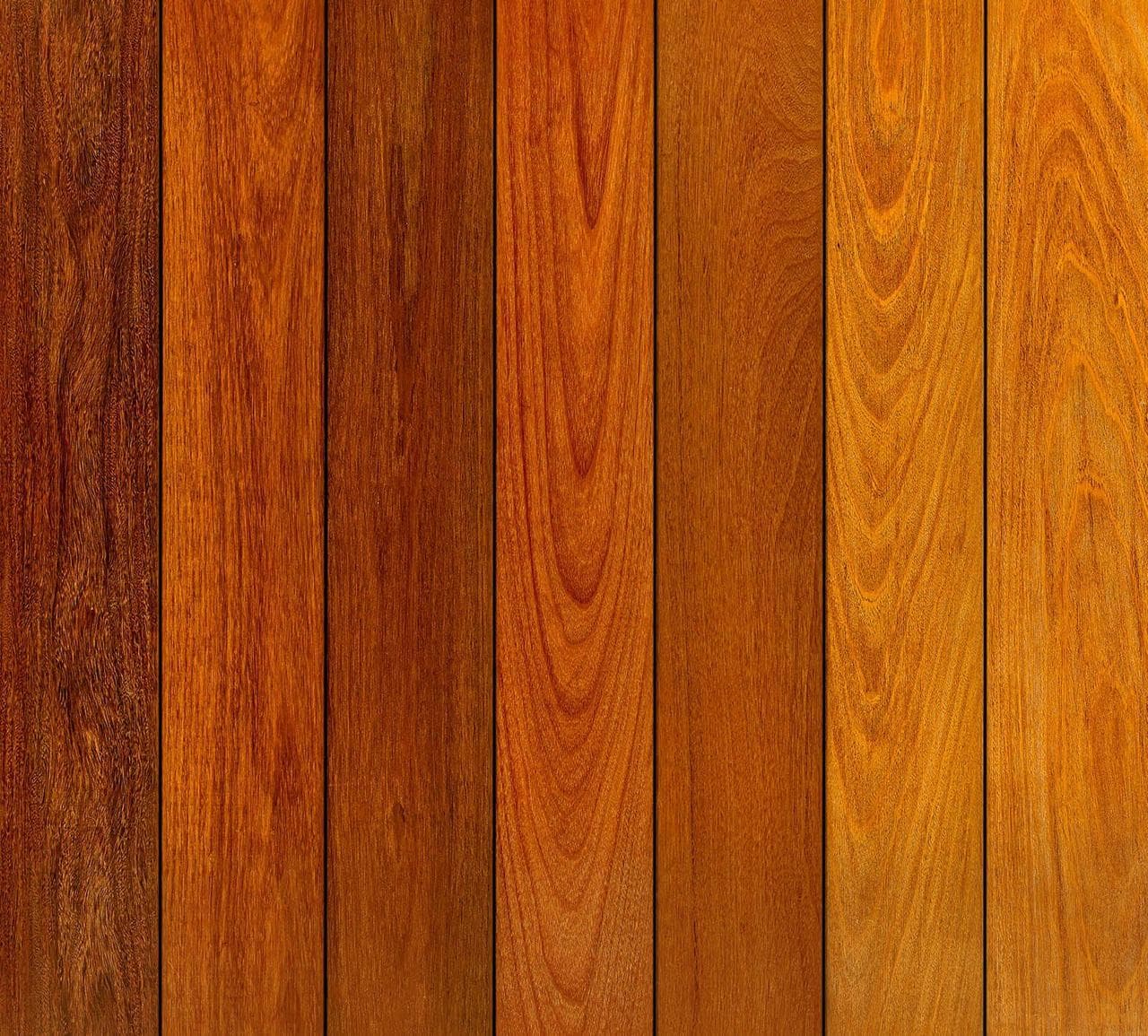
When considering a diagonal pattern, visualize how the lines will interact with your home's existing angles and the surrounding landscape. Ipe's rich reddish-brown to olive-brown tones (S1) can be highlighted by the play of light across the angled boards, enhancing its natural grain and character.
Increased Material Waste for Diagonal Cuts
One of the primary considerations for a diagonal layout is the increased material waste. When boards are cut at an angle, such as 45 degrees, the offcuts are often too short or irregularly shaped to be reused in other sections of the deck, unlike with straight layouts where offcuts can frequently be used to start new rows.
For a typical rectangular deck, a diagonal installation can result in 15-20% more material waste compared to a straight layout. For decks with complex shapes or many obstructions, this percentage can be even higher. It is crucial to factor this into your material order to ensure you have enough Ipe decking boards to complete the project without delays.
Adjusting Joist Spacing for Diagonal Loads
Diagonal decking places different load demands on the substructure. While Ipe is a dense and durable hardwood (S1), the way it spans joists in a diagonal pattern requires careful attention to the joist spacing.
Decking boards laid diagonally effectively span a greater distance between joists than boards laid perpendicularly. This means that for a diagonal layout, the joist spacing often needs to be reduced to provide adequate support and prevent excessive deflection or movement of the decking. Always consult the specific Ipe decking product guide for recommended joist spacing for diagonal installations, as this can vary by board thickness and profile.
Verifying Manufacturer Spacing and Fastener Guidelines
Regardless of the layout, adherence to manufacturer-specified spacing between Ipe boards is critical for proper drainage, ventilation, and accommodating natural wood movement. For diagonal layouts, these spacing requirements remain important.
Similarly, the choice of fasteners (hidden or face-fastened) and their installation pattern must align with manufacturer guidelines. Due to Ipe's density, pre-drilling pilot holes is typically recommended for face-fastening to prevent splitting (S1). Ensure your chosen fastener system is compatible with diagonal installation and provides secure attachment.
Always refer to the specific installation instructions provided with your Ipe decking product. These documents contain vital information on board spacing, fastener types, and joist requirements tailored to the particular profile and dimensions of your selected Ipe lumber (S1).
Hypothetical Material Calculation Example
Consider a rectangular deck measuring 10 feet by 12 feet, totaling 120 square feet. If using 1x6 Ipe decking boards, a straight layout might typically require around 250 linear feet, accounting for some waste. However, for a diagonal layout at a 45-degree angle, you would need to increase this estimate.
To account for the increased waste from angled cuts and unusable offcuts, a common practice is to add an additional 15-20% to the linear footage required for a straight layout. For a 120 square foot deck, if a straight layout needs 250 linear feet, a diagonal layout would require approximately 250 linear feet * 1.20 = 300 linear feet of Ipe decking boards. This ensures you have sufficient material to accommodate cuts and potential board selection.
This calculation is an estimate; actual waste can vary based on board lengths purchased, the exact angle of installation, and the skill of the installer. It is always prudent to round up to the next full board length or purchase an extra board or two to avoid being short during installation.
Before you order
- Confirm the desired aesthetic and visual impact of a diagonal layout.
- Calculate the square footage of your deck.
- Estimate additional material waste (typically 15-20%) for diagonal cuts.
- Verify the required joist spacing reduction with your Ipe decking product guide for diagonal installations.
- Ensure your chosen fasteners are compatible with diagonal installation and Ipe's density.
- Plan for pre-drilling pilot holes if face-fastening Ipe boards.
- Review the specific installation instructions for your Ipe decking profile.
- Factor in the need for longer board lengths where possible to minimize end cuts.
Confirm installation details, approved uses and warranty terms in the current instructions for the exact product and profile. Your installer should verify the substrate, structure and applicable project requirements.
Questions to help you decide
Does a diagonal Ipe deck cost more?
A diagonal Ipe deck generally incurs higher material costs due to increased waste from angled cuts. Installation labor might also be higher due to the more complex cutting and fitting required. However, the exact cost difference depends on the deck size, complexity, and local labor rates.
Can I install diagonal Ipe decking myself?
While it is possible, installing Ipe decking diagonally requires specialized tools and techniques due to the wood's density and the precision needed for angled cuts. Professional installation is often recommended to ensure accuracy, minimize waste, and achieve the best results (S1).
What tools are needed for cutting Ipe diagonally?
Cutting Ipe, especially at angles, requires durable, sharp saw blades designed for hardwoods. A miter saw with a carbide-tipped blade is typically used for precise angle cuts. Ensure your tools are in good condition to handle Ipe's density efficiently and safely.
Ready to Plan Your Ipe Deck?
Request a material quote with your project dimensions, exact Ipe profile, and ZIP code to confirm current availability and service options for your diagonal decking project.
Request a material quote →