Understanding Ipe Decking Characteristics for Logistics
Ipe wood, also known as Brazilian walnut, is a dense and durable hardwood. This density, while contributing to its exceptional longevity and resistance to rot and insects, also means the material is notably heavy. A single board can be substantial, especially in longer lengths.
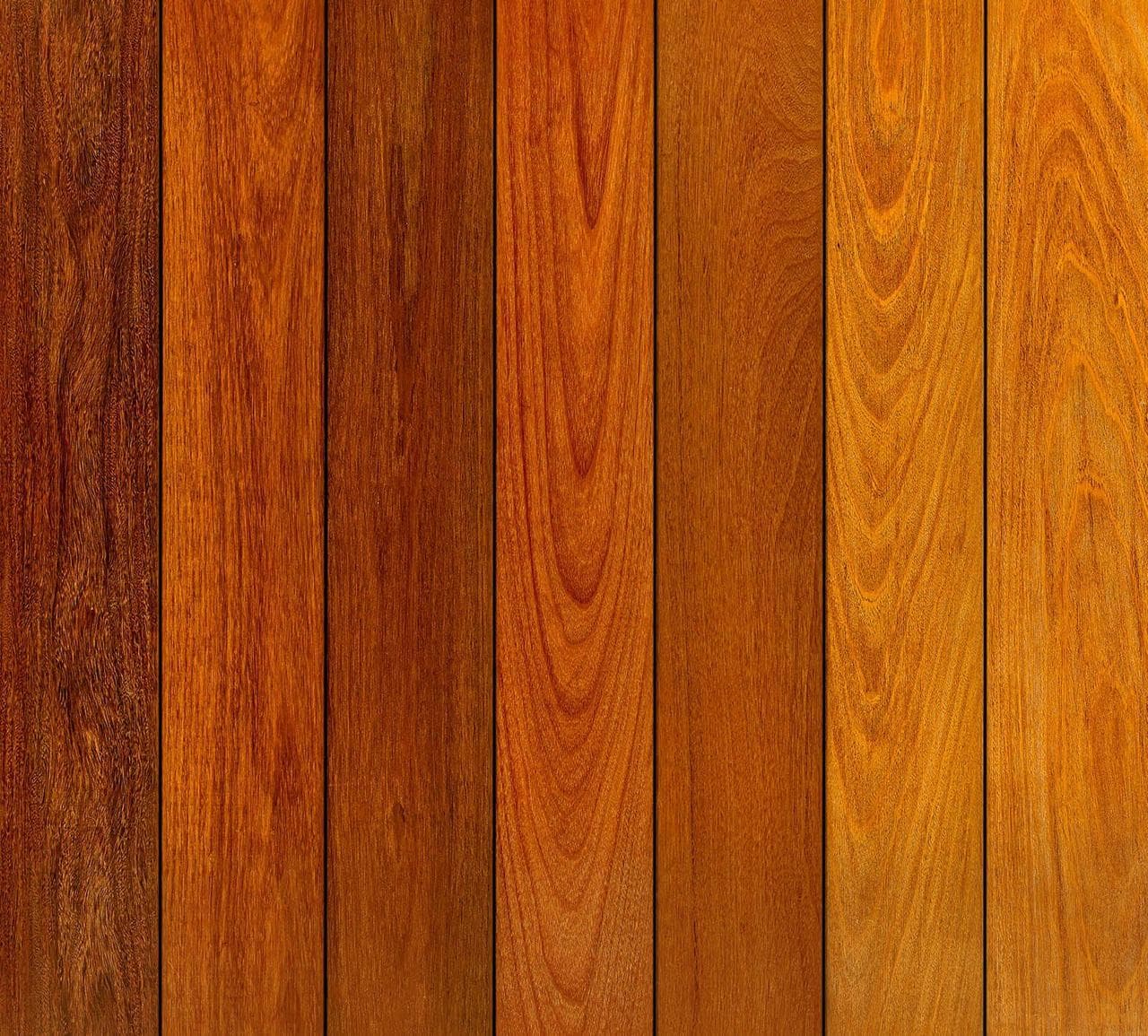
Ipe lumber ranges from reddish-brown to olive-brown. Its natural oils protect it from cracking or warping, but proper storage is still critical to maintain its condition before installation. Understanding these characteristics helps in planning for appropriate handling and storage solutions.
For example, Ipe has an air dry density of approximately 5.75 lbs/bf (pounds per board foot). This weight impacts how many boards can be safely lifted by one person, how much material can be stacked, and the type of equipment needed for movement on site.
Planning for Delivery and Unloading
The first step in Ipe decking logistics is ensuring the delivery site is prepared. Consider the accessibility for large delivery vehicles, potential obstructions, and the proximity of the unloading area to the storage location. A clear path is vital.
Communicate with your supplier regarding the expected delivery method. Will the material be hand-unloaded, or will a forklift be required? If a forklift is needed, confirm that your site has the necessary access and a level, stable surface for its operation. If you plan to rent equipment, ensure it's available and scheduled for the delivery day.
Designate a specific unloading zone that is safe, clear of foot traffic, and allows for efficient transfer of material. This zone should be as close as possible to the intended storage area to minimize manual transport.
Proper On-Site Storage for Ipe Decking
Once unloaded, Ipe decking must be stored correctly to protect it from the elements, moisture, and potential damage. The goal is to keep the wood stable and flat until installation.
Store Ipe decking on a flat, level surface, off the ground. Use stickers (small wood strips) placed every 16-24 inches to allow for air circulation between boards. This helps prevent moisture accumulation and ensures even acclimation.
Protect the material from direct sun and rain using a waterproof tarp or by storing it in a covered, well-ventilated area like a garage or shed. Ensure the tarp is secured but allows for some airflow to prevent condensation. Avoid storing Ipe directly on concrete or asphalt, which can transfer moisture.
If storing outdoors, consider elevating the entire stack on sturdy blocking to keep it away from ground moisture and pests. The ends of the boards are particularly vulnerable to moisture absorption, so ensure they are well-protected.
Jobsite Access and Material Movement
Efficient movement of Ipe decking from storage to the installation area is crucial. Due to its weight, planning for how you will transport boards across the jobsite can save time and prevent injury.
Assess the path from your storage location to the deck frame. Are there stairs, narrow gates, or uneven terrain? Consider using a hand truck, dolly, or even temporary ramps for easier movement of bundles or individual boards.
For larger projects or longer boards, having multiple people assist with carrying is often necessary. Always lift with proper technique to avoid strain. If the jobsite allows, a small utility vehicle or all-terrain forklift might be an option for moving larger quantities.
Keep the work area clear of debris and obstructions. A tidy jobsite not only improves safety but also allows for more efficient material flow as needed.
Worked Example: Planning Logistics for a 200 sq ft Deck
Let's consider a hypothetical 200 square foot deck project using 1x6 Ipe decking boards. A 1x6 board typically measures 0.75 inches thick by 5.5 inches wide, with varying lengths. For estimation, a 1x6 board foot is 0.75" x 12" x 12" = 108 cubic inches, or roughly 0.0625 cubic feet. At 5.75 lbs/bf, this means approximately 0.36 lbs per linear foot for a 1x6 board.
This would weigh approximately 920-1035 pounds. This is a significant weight that would arrive in multiple bundles.
**Delivery Day Plan:** Confirm the delivery truck type (e.g., flatbed with Moffett forklift if available, or a truck requiring manual unloading). Clear a 15-foot wide, 30-foot long area near the driveway for unloading. Ensure no vehicles or obstacles are in the path.
**Storage Plan:** Designate a covered area, such as a garage or a section of the backyard protected by a sturdy tarp, that can accommodate a stack roughly 10 feet long, 3 feet wide, and 2 feet high. Lay down 4x4 timbers on the ground, spaced every 2 feet, to keep the Ipe off the soil. Place 1-inch thick stickers between every few layers of boards for ventilation.
**Jobsite Access Plan:** Since the deck is at the back of the house, plan to move boards in smaller bundles of 5-7 boards using a heavy-duty hand truck from the garage to the deck frame. This allows for manageable weight and reduces the risk of straining during transport.
Before you order
- Confirm delivery vehicle access to the jobsite.
- Designate a clear and safe unloading zone.
- Determine if forklift assistance is needed for unloading.
- Select a flat, level, and elevated storage area.
- Ensure storage area is protected from direct sun and rain.
- Gather stickers or blocking for proper material stacking.
- Plan the path for moving material from storage to installation site.
- Identify necessary equipment (hand truck, dolly) for on-site movement.
- Communicate logistics plan with all project personnel.
- Verify the project dimensions for an accurate material estimate.
Confirm installation details, approved uses and warranty terms in the current instructions for the exact product and profile. Your installer should verify the substrate, structure and applicable project requirements.
Questions to help you decide
Why is proper storage so important for Ipe decking?
Proper storage is crucial for Ipe decking because it is a dense, natural wood. Incorrect storage can lead to warping, cupping, or moisture absorption, which can affect the stability and appearance of the boards once installed. Keeping it flat, elevated, and protected from the elements helps the wood acclimate evenly and maintain its dimensional stability.
Can I store Ipe decking directly on the ground?
No, it is not recommended to store Ipe decking directly on the ground. Direct contact with soil or concrete can lead to moisture absorption, potential staining, and uneven drying, which may cause the boards to warp or cup. Always elevate the decking using timbers or blocking to allow for air circulation underneath.
What tools or equipment might be useful for moving Ipe decking on a jobsite?
Due to Ipe's density and weight, several tools can be useful for moving it on a jobsite. A heavy-duty hand truck or dolly can help transport bundles or individual boards over short distances. For larger quantities, a small utility cart or, if the site permits, an all-terrain forklift can be beneficial. Always prioritize safety and use appropriate lifting techniques.
Ready to Plan Your Ipe Decking Project?
Request a material quote with your project dimensions and exact profile needs. Provide your ZIP code to confirm current availability and service options for your location. Our team can help you plan for the logistics of your Ipe decking order.
Request a material quote →