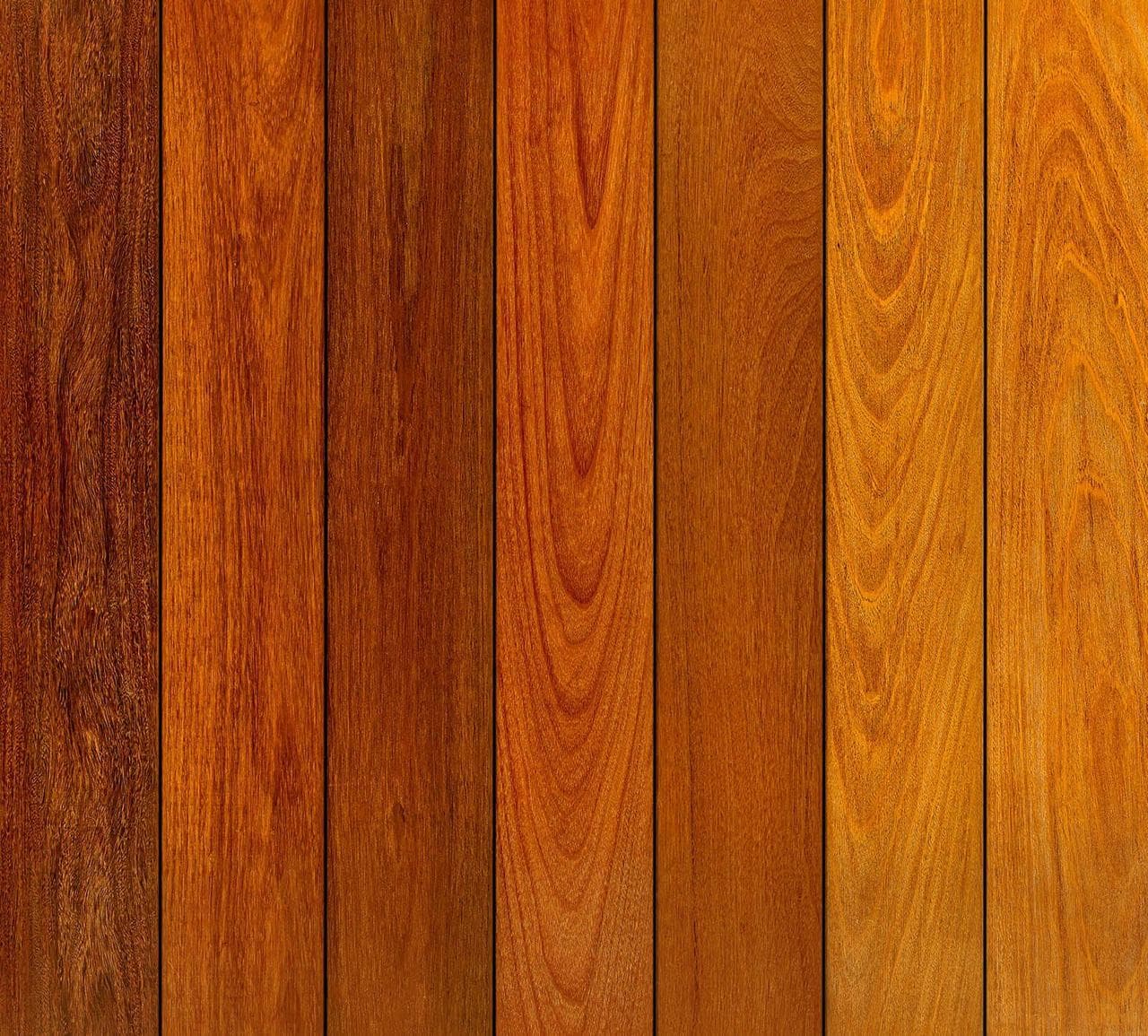
Understanding Ipe for Covered Porches
Ipe wood, also known as Brazilian Walnut, is a dense hardwood originating from South America. It's recognized for its reddish-brown to olive-brown tones and is frequently chosen for outdoor applications due to its inherent properties. For a covered porch, Ipe offers a balance of visual appeal and practical benefits.
While a covered porch protects decking from direct, constant exposure to rain and UV radiation, it still experiences humidity fluctuations and indirect sunlight. Ipe's natural resistance to weather changes, mold, and termites makes it a suitable candidate for these conditions. Its minimal post-installation movement helps maintain a consistent surface over time, even with environmental shifts.
The sheltered nature of a porch can also influence the rate at which Ipe weathers. In fully exposed areas, Ipe can gradually develop a silvery-gray patina if left untreated. On a covered porch, this weathering process might be slower or uneven depending on the degree of exposure to light and air movement. This is a design consideration to keep in mind, whether you plan to let it weather naturally or maintain an oiled appearance.
Coordinating Thresholds and Adjacent Spaces
A covered porch often serves as a transition zone between an indoor living area and a more exposed outdoor space, like a patio or yard. When using Ipe decking, consider how the porch flooring will integrate with the interior flooring and any adjacent outdoor surfaces.
For thresholds, ensuring a smooth and consistent transition from your interior floor to the Ipe deck is important for accessibility and aesthetics. This involves careful planning of deck height relative to the interior floor level. If your covered porch connects to an uncovered deck or patio, consider using Ipe for both to maintain material consistency. This can create a unified outdoor living area, even if parts are more exposed than others. However, be aware that the weathering rate of Ipe will differ between the covered and uncovered sections.
Selecting Ipe Profiles and Dimensions
Ipe decking is available in various profiles and dimensions, typically ranging from 1"x2" to 6"x6" in lengths from 3 to 24 feet. For a covered porch, common decking board sizes like 1x4 or 5/4x6 are popular choices. The choice of board width can influence the visual scale of your porch. Wider boards might create a more expansive feel, while narrower boards can offer a more intricate pattern.
Consider the overall design aesthetic you aim for. Square-edge boards can be face-fastened for a visible fastener look, or grooved boards can be used with hidden fastening systems for a cleaner surface. The specific profile choice should align with your desired appearance and installation method. Always verify the actual dimensions and profiles available for your project needs.
Planning for Furniture and Usage
A covered porch is often furnished for relaxation, dining, or entertaining. Ipe's density contributes to its stability, which is beneficial for supporting outdoor furniture without significant indentation. When planning your layout, consider the placement of furniture and how it might impact the deck surface. Heavy planters or furniture with narrow feet can concentrate weight, so consider using pads or wider bases to distribute loads.
The ability of Ipe to resist warping after moisture exposure and its natural oils that protect it from cracking are advantageous for a porch area that might experience spills or occasional dampness from tracked-in rain. However, regular cleaning is still recommended to remove dirt and debris that can accumulate, especially in areas under furniture or rugs.
Worked Example: Ipe Decking for a 10x12 Foot Covered Porch
Let's consider a hypothetical covered porch measuring 10 feet by 12 feet, requiring Ipe decking. For this example, we will assume using 1x6 (nominal) Ipe decking boards, which typically have an actual dimension of approximately 0.75 inches thick by 5.5 inches wide. We will plan for a straight lay installation, parallel to the 10-foot dimension, meaning boards will run 12 feet long.
To cover the 10-foot width, we need to determine how many 5.5-inch wide boards are required. 10 feet is 120 inches. Dividing 120 inches by 5.5 inches per board yields approximately 21.8 boards.
Each board needs to be 12 feet long. Therefore, for this project, you would need 22 boards, each 12 feet in length. This totals 264 linear feet of Ipe decking. If you plan for a picture-frame border or diagonal layout, the calculation would be more complex, involving additional cuts and potential waste. Always account for a waste factor, typically 10-15%, especially if you have intricate cuts or plan to select for specific board aesthetics.
Before you order
- Determine the desired aesthetic: natural weathered gray or maintained oiled appearance.
- Assess the degree of sun and rain exposure on the porch, even under cover.
- Plan transitions to interior flooring and any adjacent uncovered outdoor areas.
- Select the Ipe decking profile (square-edge or grooved) and dimensions (e.g., 1x4, 5/4x6).
- Consider the fastening method: face-fastened or hidden fasteners.
- Account for furniture placement and potential concentrated loads.
- Estimate linear footage needed, adding a waste factor for cuts and selection.
- Research compatible cleaning and sealing products if an oiled appearance is desired.
Confirm installation details, approved uses and warranty terms in the current instructions for the exact product and profile. Your installer should verify the substrate, structure and applicable project requirements.
Questions to help you decide
Does Ipe decking on a covered porch still require maintenance?
Yes, while a covered porch offers some protection, Ipe decking still benefits from occasional cleaning to remove dirt and debris. If you prefer to maintain its original reddish-brown to olive-brown color, applying a UV-blocking sealer is recommended. If left untreated, it will gradually weather to a silvery-gray patina, though this process may be slower and potentially uneven in a covered environment compared to full sun exposure.
How does Ipe's color change on a covered porch compared to an exposed deck?
On a covered porch, Ipe's natural weathering to a silvery-gray patina may occur more slowly and potentially less uniformly than on a fully exposed deck. Areas receiving more indirect light or air circulation might weather faster. If you want to preserve the original color, a UV-blocking sealer will be necessary, and its application frequency might be less than for an exposed deck, but still important.
Can I use Ipe decking for both my covered porch and an adjoining uncovered deck?
Yes, Ipe can be used for both. This creates a cohesive look across your outdoor spaces. However, it's important to anticipate that the Ipe on the uncovered section will likely weather to a silvery-gray patina faster than the Ipe on the covered porch, especially if left untreated. If you plan to oil the decking, the uncovered section may require more frequent reapplication of the finish.
Ready to Plan Your Ipe Covered Porch?
Request a material quote with your project dimensions, desired Ipe profile, and ZIP code to confirm current availability and service options. Visit our Ipe Decking product page for more details: https://www.lumberplus.com/decking/hardwood/ipe
Request a material quote →