Understanding Ipe Decking for Courtyard Use
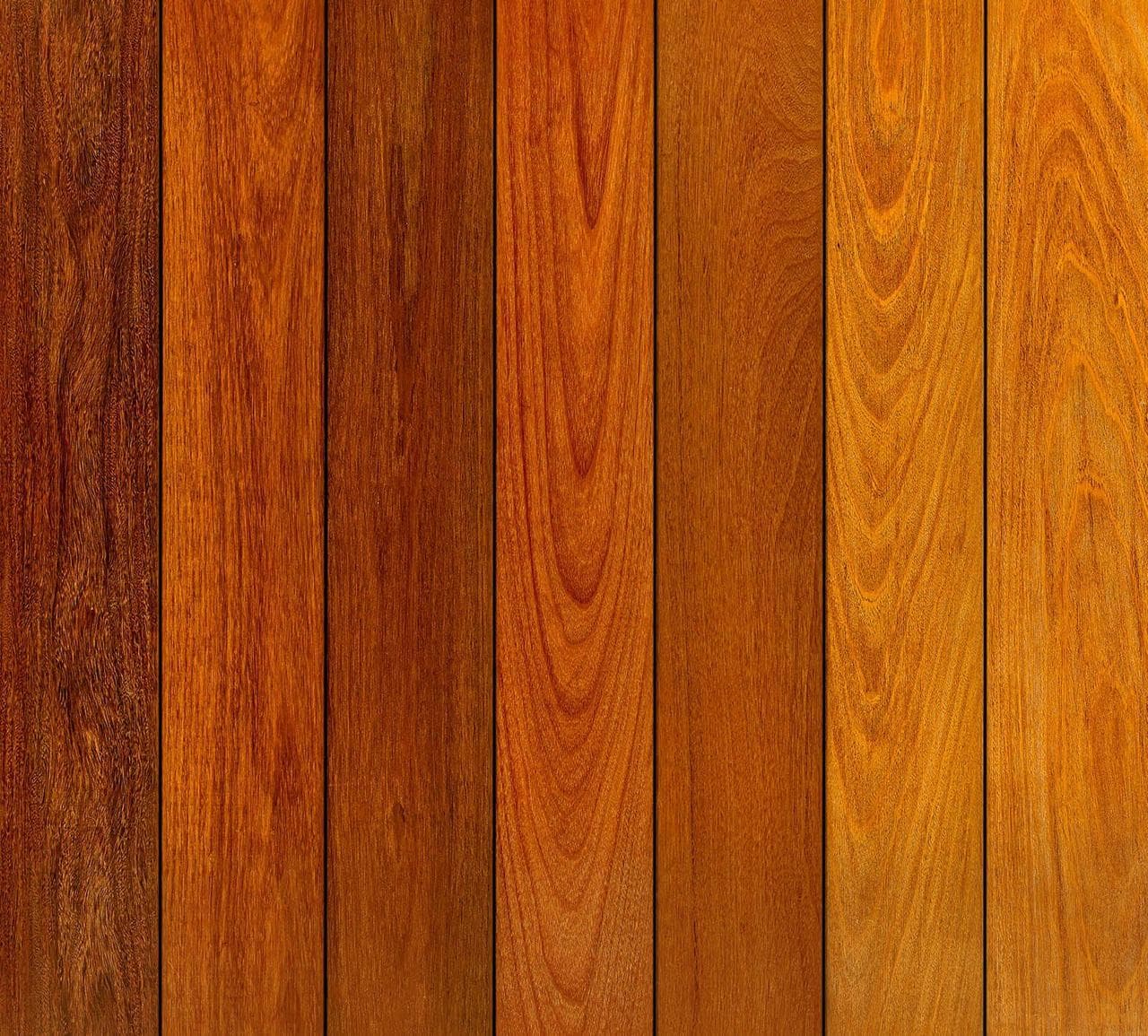
Ipe, also known as Brazilian walnut, is a dense hardwood originating from South America. Its natural properties make it suitable for outdoor applications such as decking. Ipe wood typically exhibits reddish-brown to olive-brown tones, offering a rich appearance that can complement various architectural styles. For a courtyard, where the deck surface might be a focal point, Ipe’s inherent beauty contributes to the overall aesthetic.
One of the key advantages of Ipe for courtyards is its resistance to weather changes. Its natural oils help protect it from cracking or warping, which is a consideration for outdoor spaces exposed to humidity or fluctuating temperatures. This material is often chosen for its ability to resist rot, insects, and mold, reducing the need for extensive chemical treatments. These characteristics are particularly relevant for courtyards, which might experience varying levels of sun exposure and moisture retention depending on their enclosure and drainage.
Courtyard Layout and Dimensions: A Hypothetical Example
Consider a hypothetical courtyard in Wilmington, NC, measuring 15 feet by 20 feet, intended to serve as an outdoor dining and lounge area. The design goal is to create distinct zones: a dining area near the house entrance and a more relaxed lounge space further out. An Ipe deck can unify these zones while providing a durable surface.
For this 15x20-foot area (300 square feet), we can plan a central dining space of 10x10 feet and a lounge area of 5x15 feet, leaving a 5x10-foot walkway or planter zone. Ipe decking is available in various profiles and lengths, typically from 3 to 24 feet. For a layout like this, using a mix of longer boards (e.g., 16-foot or 20-foot) can minimize butt joints and create a more continuous appearance across the larger dimensions. For example, 1x6 Ipe decking boards are a common profile. To cover a 15-foot width with 5.5-inch face-width boards (assuming standard milling), you would need approximately 33 boards (15 feet * 12 inches/foot / 5.5 inches/board ≈ 32.7 boards). For a 20-foot length, this would equate to 33 boards x 20 feet = 660 linear feet per 15-foot section. Total linear footage would be approximately 1320 linear feet for the full 15x20 area, plus an allowance for cuts and waste.
When planning, consider how furniture will be arranged and where foot traffic will be heaviest. The density of Ipe decking contributes to its stability under load, making it suitable for areas with dining tables and seating. Ensure adequate spacing between boards as per manufacturer guidelines to allow for drainage and air circulation, which is crucial in potentially enclosed courtyard settings.
Surface Appearance and Maintenance Expectations
Ipe wood offers two primary aesthetic paths: maintaining its original reddish-brown to olive-brown color or allowing it to weather to a silvery-gray patina. For those who prefer the rich, original hues, applying a UV-blocking sealer is recommended. This helps preserve the color and provides an additional layer of protection.
If left untreated, Ipe will naturally transition to a silvery-gray. This weathered look is often desired for a natural, low-maintenance aesthetic. In either case, basic cleaning with appropriate products will help remove dirt and debris, contributing to the deck's longevity. Understanding these options upfront allows you to choose the finish that best suits your desired courtyard ambiance and maintenance commitment.
Considering Ventilation and Drainage in Courtyards
Courtyards, by their nature, can sometimes have limited air circulation compared to open decks. Proper ventilation beneath the Ipe deck is essential to prevent moisture buildup, which can affect the sub-structure. Designing the deck with adequate clearance from the ground and ensuring no obstructions block airflow are critical steps.
Drainage is another important aspect. The deck design should facilitate water runoff away from the house foundation and prevent pooling on or under the deck. This might involve a slight slope to the deck surface or integrating a gravel bed or other drainage solutions beneath. These considerations are vital for the long-term health of the deck and surrounding structures.
Complementary Materials and Features for Your Outdoor Room
To complete your Ipe decking courtyard outdoor room, consider incorporating complementary materials and features. Planters with drought-tolerant plants or small trees can add greenery without requiring excessive irrigation. Outdoor lighting can extend the usability of the space into the evening, creating an inviting atmosphere.
Pergolas or shade sails can provide relief from the sun, especially in Wilmington's climate. For privacy, consider integrating lattice work or strategically placed privacy screens. When selecting these elements, choose materials that harmonize with the Ipe decking's natural tones, such as metal, stone, or other compatible hardwoods. Explore other decking materials for possible accents, like composite decking or PVC decking, if a different texture or color contrast is desired for borders or specific zones, ensuring compatibility in installation and maintenance. For the deck framing, consider durable options like pressure-treated lumber or steel, ensuring they are appropriate for the anticipated loads and environmental conditions.
Before you order
- Determine the primary function(s) of the courtyard outdoor room (e.g., dining, lounging, entertaining).
- Measure the precise dimensions of the courtyard area to be decked.
- Sketch a layout plan, identifying distinct zones and potential furniture placement.
- Decide on the desired appearance of the Ipe decking: natural weathered gray or maintained original color.
- Research local building codes and permits required for deck construction in Wilmington, NC.
- Plan for adequate ventilation beneath the deck to prevent moisture issues.
- Design a drainage strategy to ensure water runoff away from the structure.
- Consider complementary features like shade structures, lighting, and planters.
- Estimate the required quantity of Ipe decking boards, accounting for cuts and waste.
- Identify any necessary fasteners, sealers, or cleaning products compatible with Ipe.
Confirm installation details, approved uses and warranty terms in the current instructions for the exact product and profile. Your installer should verify the substrate, structure and applicable project requirements.
This is a planning guide for projects in Wilmington, NC. Ask our team to confirm availability, delivery to your ZIP code and which branch can support your order.
Questions to help you decide
How long can Ipe decking last in a Wilmington, NC courtyard?
With proper installation and care, Ipe decking is known for its longevity. Its natural resistance to rot, insects, and weather changes contributes to its durability in outdoor settings. Occasional cleaning and, if desired, sealing can help maintain its appearance and extend its life.
Does Ipe decking require special tools for installation?
Due to its density, Ipe wood can be challenging to work with and typically requires specialized tools and techniques for cutting, drilling, and fastening. Professional installation is often recommended to ensure proper assembly and a quality finish. Always refer to the specific product's installation guide for detailed requirements.
Can Ipe decking be installed directly over an existing concrete courtyard slab?
Installing Ipe decking over a concrete slab is possible, but it requires careful attention to ventilation and drainage. A sleeper system or a pedestal system is typically used to elevate the deck boards, allowing for air circulation and water runoff. Direct contact with concrete should be avoided to prevent moisture trapping and potential issues.
Plan Your Ipe Decking Courtyard
Ready to design your Ipe decking courtyard outdoor room? Request a material quote with your project dimensions, desired Ipe profile, and ZIP code to confirm current availability and service options for your Wilmington, NC project.
Request a material quote →