Why Ipe for a Washington, DC Courtyard?
Courtyards often experience unique environmental conditions, including varying sun exposure, limited air circulation, and proximity to building foundations. Ipe wood, also known as Brazilian walnut, is a dense hardwood that offers natural resistance to rot, insects, and mold, making it a robust choice for these demanding settings. Its inherent durability means it can endure the humid summers and occasional winter freezes common in the Washington, DC area without significant warping or cracking. This resilience minimizes the need for frequent replacement, offering a long-term investment for your outdoor space.
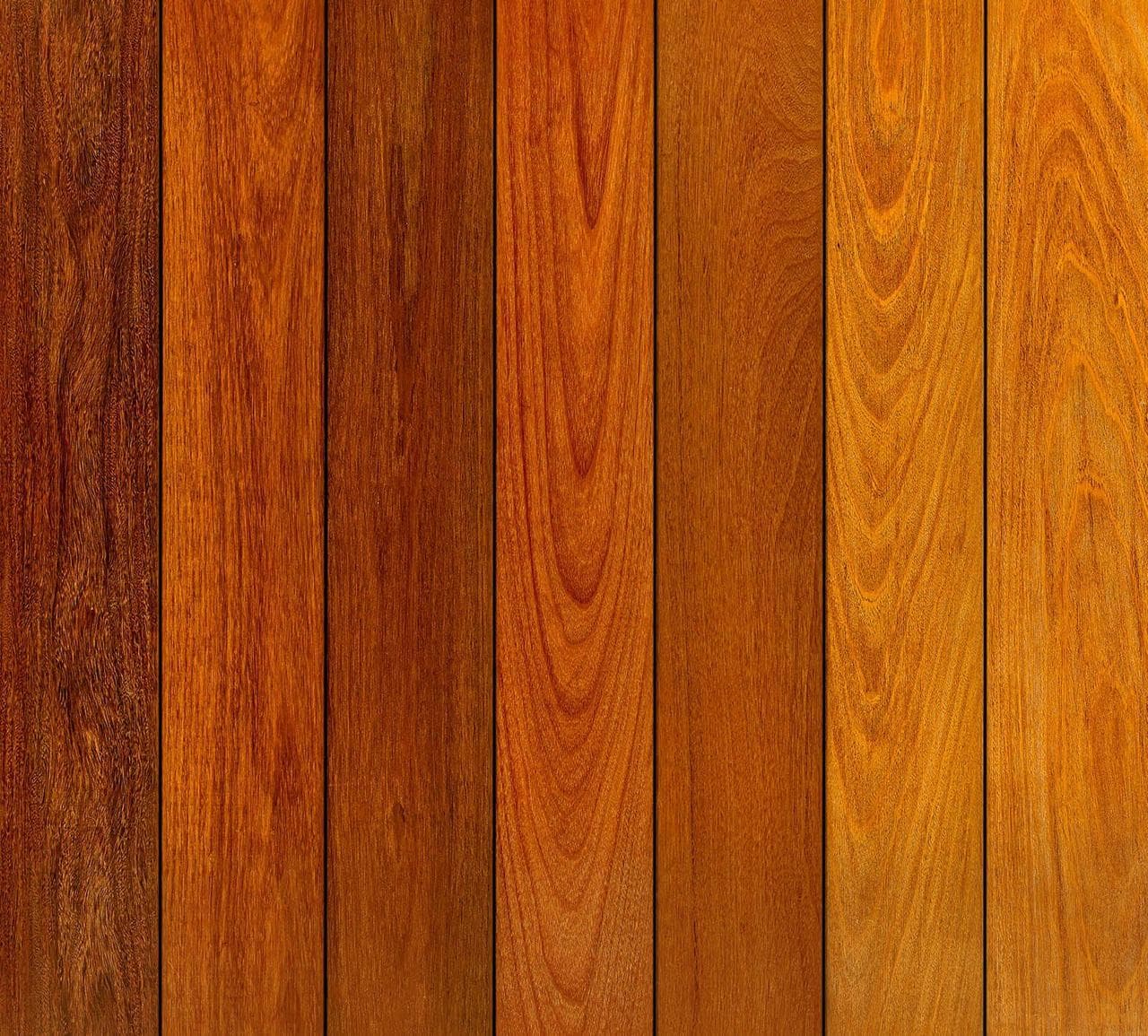
Beyond its practical advantages, Ipe's rich reddish-brown to olive-brown tones provide a sophisticated aesthetic that can elevate any courtyard. Whether you prefer the wood's original vibrant color or allow it to weather to a silvery-gray patina, Ipe adapts to diverse design preferences, creating a luxurious foundation for your outdoor room. This material choice supports both functional longevity and design aspirations.
Ipe's density also contributes to its stability, which is crucial in a courtyard where consistent surface integrity is important for furniture placement and foot traffic. Minimal movement post-installation means your deck surface will remain more uniform over time, reducing potential trip hazards and maintaining its visual appeal. This makes it a practical selection for high-use outdoor areas.
Planning Your Courtyard Deck Layout
Designing an Ipe deck for a courtyard involves more than just selecting the material; it requires careful planning of the layout to maximize space and functionality. Consider how the deck will integrate with existing structures, landscaping, and desired outdoor activities. For smaller courtyards, a simple rectangular or square layout can create a clean, modern look and make furniture arrangement straightforward. For larger or irregularly shaped courtyards, you might incorporate multiple levels or distinct zones for dining, lounging, or gardening.
Think about the primary purpose of your courtyard outdoor room. Will it be a quiet retreat, an entertainment area, or a versatile space for both? This will influence board direction, which can make a space feel longer or wider, and how you plan for features like built-in seating or planters. A key consideration is ensuring adequate drainage beneath the deck, especially in enclosed courtyard settings where water runoff might be concentrated. Proper ventilation is also essential to prevent moisture buildup, which can affect any decking material over time. Collaborate with your installer to ensure the sub-structure allows for both.
Choosing Ipe Profiles and Dimensions
Ipe decking is available in a variety of profiles and dimensions, offering flexibility for your courtyard design. Common profiles include square-edge and grooved boards. Square-edge boards are typically face-fastened, providing a visible hardware aesthetic, while grooved boards are designed for hidden fastening systems, resulting in a cleaner, uninterrupted surface. The choice often comes down to your desired visual outcome and installation method.
Standard dimensions for Ipe decking often include 1x4, 1x6, 5/4x4, and 5/4x6 inches, though other sizes may be available. The '5/4' thickness (approximately 1 inch actual thickness) offers a slightly more substantial feel and can sometimes provide greater stability for wider boards. Consider the scale of your courtyard when selecting board widths; narrower boards can make a small space feel more expansive, while wider boards might suit larger areas or create a more contemporary look. Mixing lengths is often part of an efficient material order, as Ipe is available in lengths ranging from 3 to 24 feet.
When planning, account for board spacing as specified by the manufacturer or installer. Correct spacing is vital for water drainage, air circulation, and accommodating the wood's natural movement. Discuss these specifics with your contractor to ensure the chosen profile and dimensions are appropriate for your project and local conditions.
A Hypothetical Courtyard Project Example
Let's consider a hypothetical Washington, DC courtyard measuring 12 feet by 15 feet, intended as an outdoor dining and lounge area. The homeowner wants a clean, modern aesthetic with minimal visible fasteners. We'll plan for 5/4 x 6 inch Ipe grooved decking boards, allowing for a hidden fastening system.
For a 12-foot by 15-foot area, the total square footage is 180 sq ft. Each board is 15 feet long. Therefore, 24 boards x 15 linear feet/board = 360 linear feet of Ipe. Factoring in cuts, waste, and a few extra boards for future repairs, a prudent order might be approximately 380-400 linear feet. This would translate to around 76-80 boards if ordering in 5-foot increments, or a mix of longer lengths to minimize seams.
For example, if we ordered 24 boards at 15 feet each, that would be 360 linear feet. To account for cuts and a 10% waste factor, a total of 396 linear feet would be a good estimate. This could be achieved by ordering 26 boards at 15 feet each, providing some buffer. This calculation does not include any fascia or trim boards, which would be ordered separately based on the perimeter of the deck. Always confirm precise measurements and waste factors with your installer to optimize your order.
Maintenance and Weathering Expectations
Ipe wood is celebrated for its low maintenance requirements, especially compared to some other outdoor decking materials. If left untreated, Ipe will naturally weather to a beautiful silvery-gray patina over time. This process is purely cosmetic and does not compromise the wood's structural integrity or durability. Many homeowners in Washington, DC choose this weathered look for its understated elegance and minimal upkeep.
If you prefer to preserve Ipe's original rich reddish-brown to olive-brown color, periodic application of a UV-blocking sealer or deck oil is recommended. This typically involves cleaning the deck surface and then applying a suitable finish, usually once or twice a year depending on exposure and product instructions. Occasional cleaning with a mild deck cleaner and water will help remove dirt, pollen, and mildew, keeping the surface looking fresh. Proper cleaning and sealing can extend the vibrant appearance of the wood and protect it from excessive sun exposure. Always follow the specific product guidelines for any cleaning or finishing agents used.
Ipe's natural oils and density contribute to its resistance to cracking and warping, even with exposure to the fluctuating temperatures and humidity of the Washington, DC climate. This inherent stability means less concern about common wood issues, allowing you to enjoy your courtyard with minimal fuss. However, proper ventilation and drainage beneath the deck remain crucial for any wood decking to perform optimally in outdoor environments.
For maintenance products, consider options such as Messmers UV Plus for Hardwood Decks or Penofin Hardwood Deck Oil to help maintain the original color of Ipe. Always test any product on an inconspicuous area first.
Before you order
- Determine the primary function of your courtyard outdoor room (dining, lounging, mixed use).
- Measure your courtyard dimensions accurately, noting any irregular shapes or existing structures.
- Consider the desired aesthetic: natural weathered gray or maintained original color.
- Choose between square-edge (face-fastened) or grooved (hidden-fastened) Ipe profiles.
- Select appropriate Ipe board dimensions (e.g., 1x4, 1x6, 5/4x4, 5/4x6) based on space scale and preference.
- Plan for proper drainage and ventilation beneath the deck structure.
- Discuss installation methods and fastener types with your contractor.
- Factor in waste and potential future repairs when calculating material quantities.
- Research suitable UV-blocking sealers or oils if maintaining the original wood color.
- Plan for periodic cleaning and maintenance to preserve the deck's appearance and longevity.
Confirm installation details, approved uses and warranty terms in the current instructions for the exact product and profile. Your installer should verify the substrate, structure and applicable project requirements.
This is a planning guide for projects in Washington, DC. Ask our team to confirm availability, delivery to your ZIP code and which branch can support your order.
Questions to help you decide
How does Ipe perform in Washington, DC's climate?
Ipe is highly resistant to weather changes. Its natural oils protect it from cracking or warping, making it well-suited for Washington, DC's humid summers and occasional winter freezes. It also offers natural resistance to rot, insects, and mold, which are important considerations in this climate.
Can Ipe decking be installed directly over an existing patio?
Installing Ipe decking over an existing patio requires careful consideration of drainage and ventilation. A proper sub-structure is essential to lift the Ipe boards, allowing for air circulation and preventing moisture buildup. Consult with a professional installer to assess your specific site conditions and ensure a durable, code-compliant installation.
What is the typical lifespan of Ipe decking in a courtyard setting?
With proper installation and occasional cleaning, Ipe decking can last for many decades. Its inherent density and natural resistance properties contribute to its exceptional longevity, making it a long-term investment for your Washington, DC courtyard.
Ready to Transform Your Washington, DC Courtyard?
Request a material quote for Ipe decking for your project. Provide your project dimensions, desired Ipe profile, and ZIP code to receive current availability and service options from Lumber Plus.
Request a material quote →