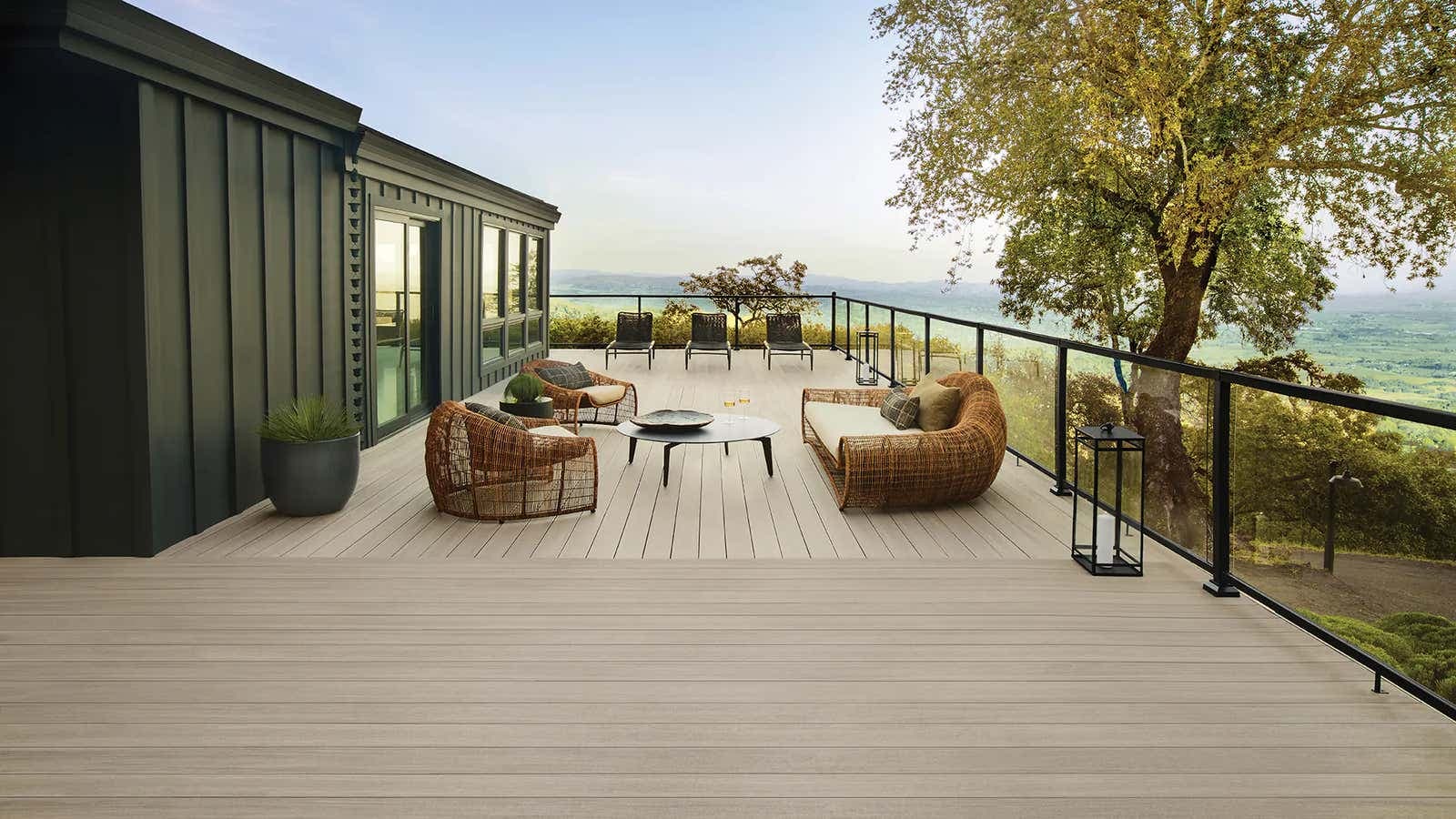
Understanding Your Compact Space: Balconies, Patios, and Rooftops
Compact outdoor spaces in Washington, DC, come in various forms, each with unique characteristics that influence decking choices. A small ground-level patio might have direct soil contact and drainage considerations, while a balcony or rooftop deck will require strict attention to weight limits, structural support, and access during installation. The level of sun exposure, wind patterns, and proximity to neighboring buildings also play a role in material selection.
For instance, a narrow balcony might benefit from a lighter-weight decking solution and a layout that minimizes cuts and waste. A rooftop deck, conversely, may prioritize cooler-underfoot options if it receives intense sun, or require robust support if it will host heavy planters or furniture. Understanding these specific site conditions is the first step in selecting the appropriate composite decking.
Why Composite Decking for Small Urban Projects?
Composite decking offers several advantages for compact outdoor spaces. Its consistent appearance, board after board, can create a uniform look that helps a small area feel more cohesive and intentional. Many composite options are designed for low maintenance, typically requiring only an annual soap-and-water wash, which is particularly appealing for busy urban residents who prefer to spend less time on upkeep and more time enjoying their space. This absence of sanding, staining, or oiling simplifies long-term care.
Furthermore, many composite brands, such as Trex, incorporate significant recycled content, which aligns with sustainability goals often considered in urban development. The availability of various colors and profiles allows for design flexibility, even in a limited footprint.
Collection-Specific Support Details and Installation Considerations
The support structure for composite decking is critical, especially in compact spaces where every inch counts. Different composite decking collections from manufacturers like Trex, TimberTech, and Fiberon have specific joist spacing requirements. These requirements ensure the deck's stability and longevity. Always consult the manufacturer's installation guidelines for the specific product you choose.
In a compact space, access for installation can be a significant factor. Long decking boards can be challenging to maneuver up flights of stairs or through narrow doorways to a balcony or rooftop. Consider whether shorter board lengths or a phased delivery might be more practical for your project's access constraints. Planning for offcuts and minimizing waste is also important, as storage space for materials during construction may be limited.
Maximizing Usable Space with Layout and Design
For compact outdoor spaces, thoughtful layout and design can make a small area feel larger and more functional. Consider running decking boards diagonally, which can visually expand a narrow space. Using a picture-frame border can also define the edges of the deck and provide a finished look.
Board width can also influence the perception of space. While standard widths are common, some collections offer narrower or wider boards that might better suit the proportions of your compact area. Coordinate fascia and edge finishes to create a seamless transition, especially where the deck meets an exterior wall or railing. Integrating built-in seating or planters can save space compared to freestanding furniture, and these can be custom-fitted to the deck dimensions.
Worked Example: A 6-foot by 10-foot Balcony Deck
This balcony is accessed through a standard sliding glass door.
First, determine the joist layout. The 6-foot width would accommodate five full 12-foot decking boards, cut to 6 feet, with a 6-foot offcut from each. This means you would need to purchase five 12-foot boards to cover the 60 square feet. This calculation assumes the 6-foot offcuts are not reusable for another section of this specific project, but could potentially be used for stair treads or smaller accent pieces if applicable. Always account for a few extra boards for cuts and potential errors.
For this project, the consistent color and low maintenance of composite decking would be beneficial. Given the potential for direct sun exposure on a balcony, exploring 'cooler-underfoot options' from brands like Trex, TimberTech, or Fiberon could enhance comfort. The relatively light weight of composite compared to some hardwoods would also be a factor for balcony weight limits.
Before you order
- Assess existing structural support and weight limits (critical for balconies/rooftops).
- Measure project dimensions accurately, noting any irregularities or obstructions.
- Consider site access for material delivery and installation (stairs, elevators, narrow passages).
- Determine joist spacing requirements for your chosen composite decking collection.
- Select a board profile and color that complements the surrounding architecture and desired aesthetic.
- Plan for fascia and trim pieces to finish the edges of the deck.
- Factor in ventilation requirements beneath the deck surface, especially for ground-level patios.
- Evaluate 'cooler-underfoot' options if the space receives significant direct sun.
- Confirm local building codes or homeowner association rules for deck construction in Washington, DC.
Confirm installation details, approved uses and warranty terms in the current instructions for the exact product and profile. Your installer should verify the substrate, structure and applicable project requirements.
This is a planning guide for projects in Washington, DC. Ask our team to confirm availability, delivery to your ZIP code and which branch can support your order.
Questions to help you decide
Is composite decking suitable for Washington, DC's climate?
Yes, composite decking is designed to withstand a range of weather conditions, including the humid summers and occasional winter freezes experienced in Washington, DC. Many composite boards are engineered to resist moisture, fading, and staining. Some collections also offer features like capped shells for enhanced durability against the elements.
How do I choose the right color for my compact deck?
For compact spaces, lighter colors can often make the area feel more open and expansive, while darker colors can create a cozier, more intimate atmosphere. Consider how the color will interact with the surrounding building materials and any existing landscaping. Samples can help you visualize the final look in your specific lighting conditions. Some composite brands offer cooler-underfoot options, which might be a practical consideration for decks exposed to direct sun.
What maintenance does composite decking require?
Composite decking is known for its low maintenance. Typically, it requires an annual cleaning with soap and water to remove dirt, pollen, and other debris. Unlike wood, it does not require sanding, staining, or sealing. Always refer to the specific manufacturer's cleaning recommendations to ensure product compatibility and maintain any warranty.
Request a Composite Decking Quote for Your Washington, DC Project
Ready to transform your compact outdoor space? Contact us with your project dimensions, desired composite decking profile, and project ZIP code. We can help you confirm current availability and service options for Trex, TimberTech, Fiberon, and Norx composite decking collections.
Request a material quote →