Understanding Ipe Decking for Courtyard Environments
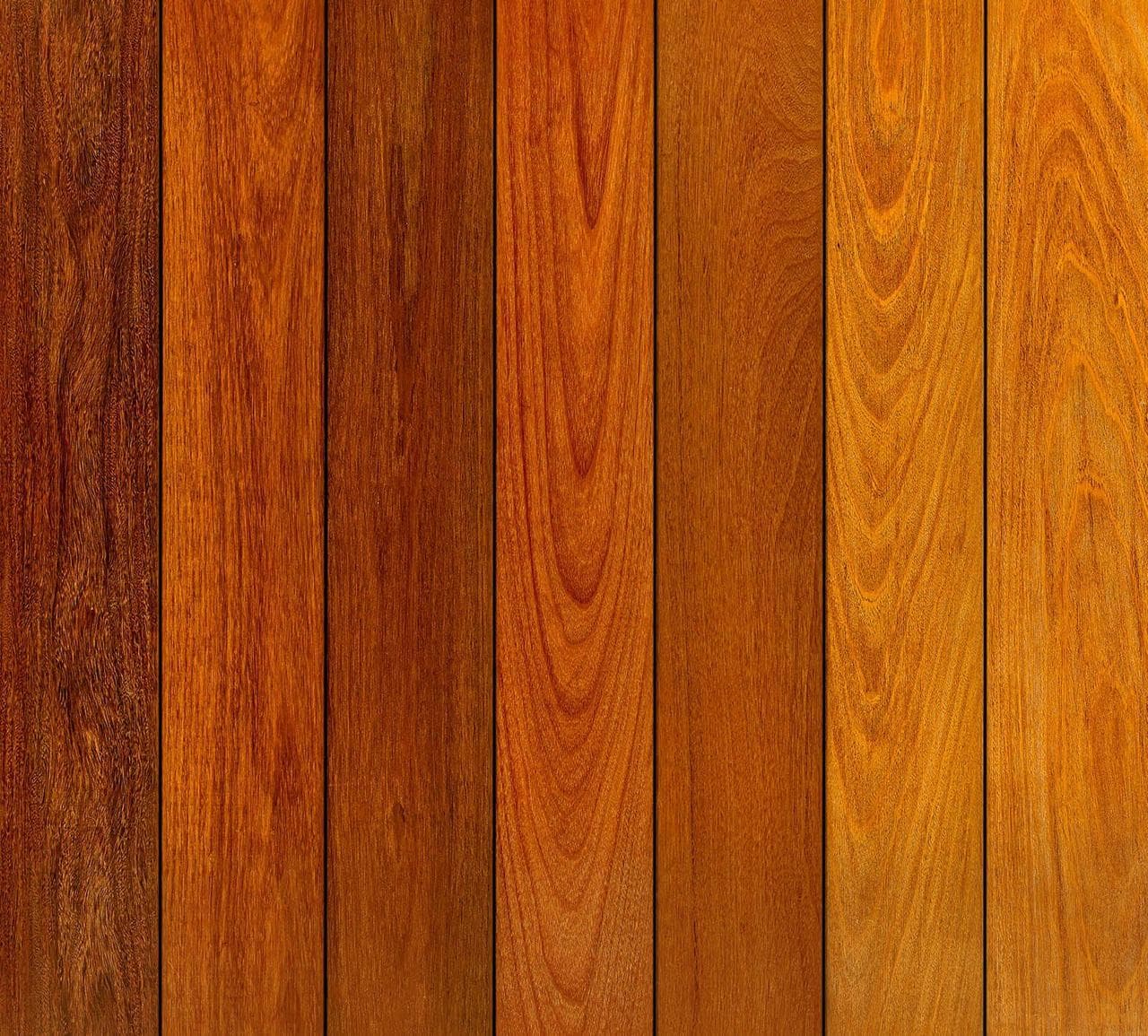
Ipe, also known as Brazilian walnut, is a dense hardwood recognized for its durability and resistance to various environmental factors. Its color typically ranges from reddish-brown to olive-brown, offering a rich, natural aesthetic that can complement a variety of architectural styles. For a courtyard, Ipe's inherent qualities can be particularly beneficial. Its resistance to rot, insects, and mold makes it suitable for areas that might experience varying levels of moisture or shade, common in enclosed spaces. If left untreated, Ipe will weather to a silvery-gray patina, a look many homeowners appreciate for its natural charm. Applying a UV-blocking sealer can help preserve its original color.
A key advantage of Ipe in a courtyard setting is its minimal movement post-installation, which contributes to a stable and enduring surface. This can be important where the decking meets other hardscaping elements or building facades. While Ipe is a low-maintenance material, occasional cleaning is recommended, and sealing can be applied to maintain its initial appearance.
Lumber Plus offers Ipe in a range of profiles, including 1x2 inches through 6x6 inches dimensions, and lengths from 3 to 24 feet, available in both air-dried (AD) and kiln-dried (KD) options. This variety allows for flexibility in design, whether you are planning a traditional plank layout or a more intricate pattern within your courtyard space.
When considering Ipe, it's important to factor in its density, which means specialized tools and techniques may be required for installation. Professional installation is often recommended to ensure proper handling and assembly.
Designing Your Courtyard Outdoor Room with Ipe
Courtyard outdoor rooms, by their nature, often present distinct design challenges and opportunities. They might be enclosed on multiple sides, feature existing planters, or incorporate water features. When integrating Ipe decking, consider how the material will interact with these elements.
For example, the natural reddish-brown to olive-brown tones of Ipe can provide a warm contrast to stone walls or concrete planters. The choice between a square-edge or grooved profile will influence the fastening method and the final aesthetic. Square-edge boards are typically face-fastened, while grooved boards can accommodate hidden fastening systems for a cleaner, uninterrupted surface. Discussing these options with your installer can help you achieve the desired look and ensure proper installation for your specific courtyard layout.
Consider the flow from indoor spaces to the courtyard. Matching the deck height to an interior floor level, where feasible and code-compliant, can create a seamless transition, making the outdoor room feel like an extension of your home. Also, plan for adequate drainage within the courtyard to prevent water from pooling on or under the deck, which is crucial for any outdoor wood application.
Worked Example: A 12x15 Foot Courtyard Deck in Traverse City
Let's consider a hypothetical courtyard outdoor room project in Traverse City, MI, measuring 12 feet by 15 feet. This space is intended for casual dining and relaxation. We'll assume a standard 1x6 inch (nominal) Ipe decking board, which typically measures approximately 3/4 inch thick by 5.5 inches wide. For this example, we'll plan for a straight lay parallel to the 12-foot dimension.
First, calculate the total square footage: 12 feet * 15 feet = 180 square feet. To account for cuts, waste, and optimal board selection, it's prudent to add a waste factor, typically 10-15%. For 180 square feet, adding 15% waste brings us to 207 square feet of material needed.
Next, calculate the number of linear feet of 5.5-inch wide boards to cover the area. Each linear foot of a 5.5-inch wide board covers 5.5/12 square feet, or approximately 0.458 square feet. Therefore, 207 square feet / 0.458 square feet per linear foot = approximately 452 linear feet.
Given that boards are available in lengths from 3 to 24 feet, a mix of lengths would be ordered to minimize waste. For a 15-foot run, ordering 16-foot boards would allow for one full board per run plus a 1-foot offcut. For a 15-foot length, you would need approximately 33 boards (180 sq ft / (15 ft * 5.5/12 ft) = 26.18 boards, plus waste). It's always best to consult with your installer on the most efficient board length mix for your specific project dimensions and desired aesthetic.
This calculation is for the decking surface only. Additional materials like joists, fasteners, and any fascia or trim boards would need separate calculations based on the structural design.
Maintenance and Weathering in Traverse City's Climate
Traverse City experiences a full range of seasons, from warm summers to cold, snowy winters. Ipe's natural resistance to weather changes is a significant advantage in such a climate. Its natural oils help protect it from cracking or warping, and it holds up well against moisture exposure.
For those who prefer Ipe's rich reddish-brown to olive-brown tones, regular application of a UV-blocking sealer will be necessary. Without it, the wood will gradually lighten to a silvery-gray patina. This natural weathering process does not diminish the wood's durability or structural integrity. Cleaning with a mild wood cleaner and a soft brush can help remove dirt, pollen, and other debris that can accumulate in a courtyard setting.
In winter, while Ipe is resistant to freezing and thawing cycles, ensuring proper drainage beneath the deck and preventing prolonged standing water or ice buildup can contribute to its longevity. Avoid using harsh chemicals or abrasive tools for ice removal, as these could potentially damage the wood's surface or finish.
Logistics: Ordering and Delivery Considerations
When planning your Ipe decking project in Traverse City, consider the logistics of ordering and delivery. Due to Ipe's density and weight, proper handling and storage on-site are important. Ensure you have a designated, level area for storing the decking materials, protected from direct sunlight and excessive moisture, prior to installation. This helps the wood acclimate to the local environmental conditions.
Ipe is available in various dimensions and lengths. When requesting a quote, providing precise project dimensions and the desired board profile (e.g., 1x6 square edge) will help ensure an accurate material estimate. Also, inquire about lead times for ordering, especially for specific lengths or less common profiles.
Consider the access points to your courtyard. If access is restricted, this may impact the delivery method and how materials are moved to the installation site. Coordinating with your installer about material delivery and on-site storage is a practical step to ensure a smooth project timeline.
Before you order
- Determine the exact dimensions of your courtyard outdoor room.
- Decide on the desired aesthetic: natural weathered gray or maintained original color.
- Choose between square-edge or grooved Ipe decking profiles.
- Plan for adequate drainage within the courtyard and under the deck.
- Consider how the Ipe decking will integrate with existing courtyard features (walls, planters, etc.).
- Account for a waste factor (typically 10-15%) in your material calculations.
- Consult with an installer regarding board length optimization and fastening methods.
- Plan for on-site storage and delivery logistics, considering courtyard access.
- Factor in ongoing maintenance requirements for your chosen finish.
Confirm installation details, approved uses and warranty terms in the current instructions for the exact product and profile. Your installer should verify the substrate, structure and applicable project requirements.
This is a planning guide for projects in Traverse City, MI. Ask our team to confirm availability, delivery to your ZIP code and which branch can support your order.
Questions to help you decide
How long does Ipe decking last in a Traverse City climate?
With proper care, Ipe decking can last up to 75 years. Its natural resistance to weather changes, mold, and termites makes it a durable choice even with Traverse City's distinct seasonal variations.
Does Ipe decking require special maintenance in winter conditions?
Ipe is highly weather resistant and its natural oils protect it from cracking or warping. While it handles winter well, ensuring good drainage to prevent prolonged standing water or ice buildup beneath the deck is beneficial. Avoid harsh chemicals for ice removal.
Can Ipe be installed directly over an existing concrete courtyard slab?
Installation directly over a slab requires a specific substructure to ensure proper ventilation and drainage. It is crucial to consult with a professional installer to design a system that prevents moisture trapping and allows for adequate airflow beneath the Ipe decking. This is vital for the longevity of the deck.
Ready to Plan Your Ipe Courtyard Deck in Traverse City?
Request a material quote today. Provide your project dimensions, desired Ipe profile, and ZIP code to confirm current availability and service options for your Traverse City project. Explore the possibilities of Ipe for your outdoor room at our main Ipe decking page: /decking/hardwood/ipe. Consider complementary materials like other hardwood decking options at /decking/hardwood or composite decking alternatives at /decking/composite.
Request a material quote →