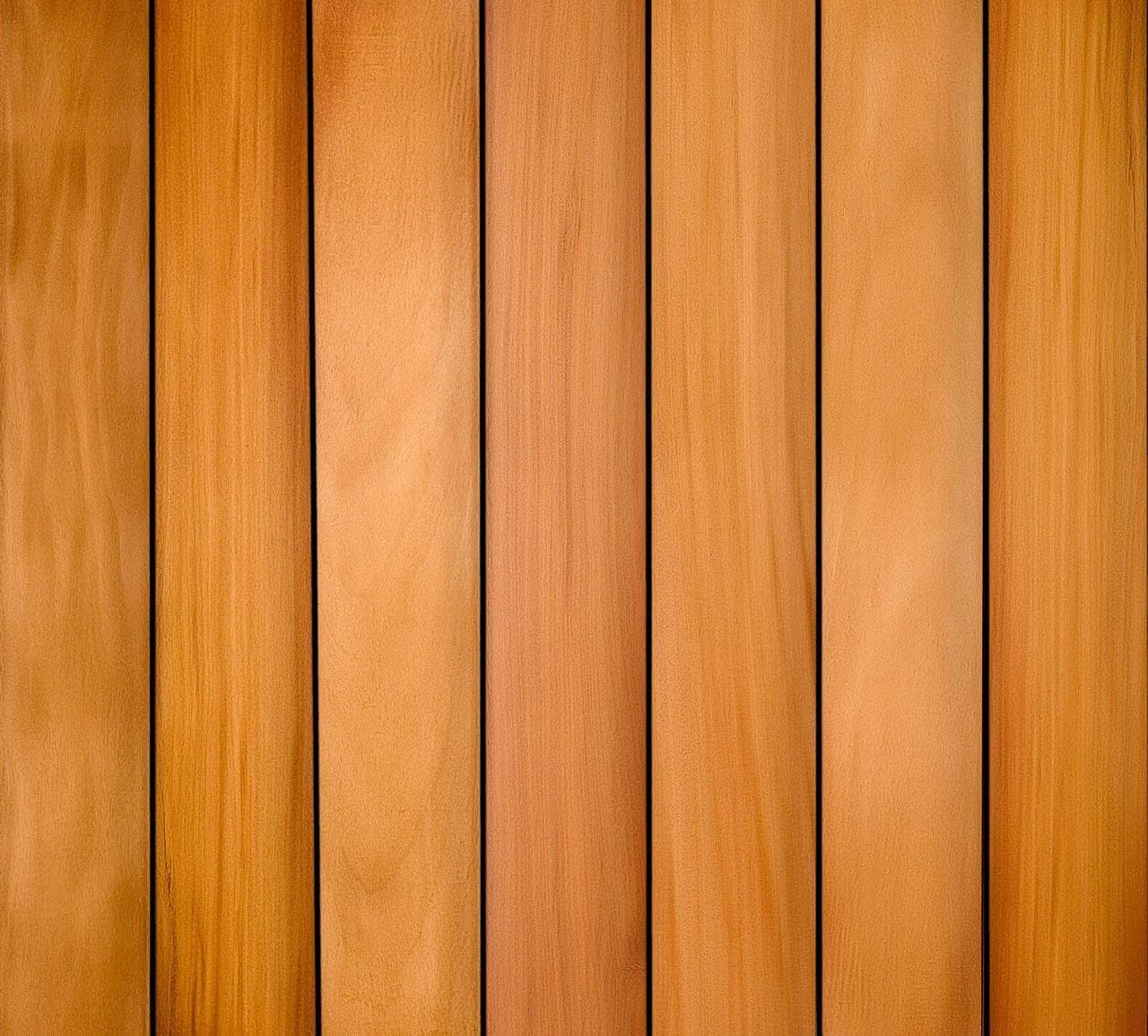
The Appearance of Garapa: Golden Tones for Your Terrace
Garapa (Apuleia leiocarpa), also known as Brazilian Ash, is recognized for its golden color. This natural hue can bring warmth to an outdoor terrace, complementing various architectural styles. Over time, like many hardwoods exposed to the sun, Garapa may gradually age to a silver-gray patina if left untreated. Regular cleaning and application of UV-inhibiting finishes can help maintain its original golden appearance, though some homeowners prefer the weathered look.
When planning your terrace, consider how the golden tone of new Garapa will integrate with existing elements like siding, stone, or landscaping. Viewing physical samples in different lighting conditions can help you visualize the final appearance.
Durability and Natural Resistance for Northern Climates
Garapa is a dense hardwood, with an air dry density of 4.11 lbs/bf, indicating its structural integrity. It is described as very durable, with natural resistance to rot, decay, and insects. This inherent resistance means it does not require constant chemical treatments to withstand mold and decay, which can be a practical advantage in areas like Traverse City, where seasonal moisture and temperature fluctuations are common.
While Garapa is resistant to weather changes, proper installation, including adequate ventilation, remains crucial for any decking material to perform well over time.
Available Profiles and Terrace Design Options
Garapa decking is available in specific profiles that influence both the aesthetics and installation of your terrace. Common availability includes 5/4"x6" (actual 1" x 5.5") boards, with a grooved option sometimes offered. These dimensions provide a standard decking surface that can be installed with either visible face fasteners or hidden fastening systems, depending on the desired look.
The choice of board width and fastening method can significantly impact the visual flow of your terrace. Wider boards can create a more expansive feel, while the absence of visible fasteners offers a cleaner, more contemporary aesthetic. Consider the overall scale of your terrace and how these details will contribute to its design.
Planning Your Terrace Layout: A Worked Example
Let's consider a hypothetical terrace project for a Traverse City home: a rectangular terrace measuring 12 feet by 18 feet, intended for dining and relaxation. We will use Garapa 5/4"x6" boards (actual 1" x 5.5").
First, calculate the total area: 12 ft * 18 ft = 216 square feet. To determine the number of boards needed, we'll convert board width to feet: 5.5 inches / 12 inches/foot = 0.4583 feet. For a layout where boards run parallel to the 18-foot length, you'll need 12 feet / 0.4583 feet/board = approximately 26.18 boards across the width. Since you can't buy partial boards, this means 27 boards. Each board will be 18 feet long. So, you would need 27 boards * 18 feet/board = 486 linear feet of Garapa. Adding a typical waste factor of 10-15% for cuts and unforeseen issues, you would aim for roughly 535-559 linear feet.
If boards are available in specific lengths (e.g., 8-foot, 10-foot, 12-foot, 16-foot, 20-foot), an 18-foot length would require ordering 20-foot boards, resulting in 2 feet of offcut per board. A more efficient plan might involve a design that accommodates shorter board lengths or a staggered pattern to minimize waste, depending on the desired aesthetic and structural requirements. This example highlights the importance of detailed planning for material takeoffs.
Considerations for Installation and Maintenance
While Garapa is described as easy to work with, its density and interlocking grain suggest the use of sharp tools for cutting. It is resistant to nailing and screwing, indicating that pre-drilling pilot holes is generally recommended to prevent splitting and ensure secure fastening. Garapa is reported to glue easily for certain applications.
For maintenance, Garapa decking does not require constant chemical treatments. Regular cleaning to remove dirt and debris is generally sufficient. If you wish to preserve the golden color, periodic application of a UV-inhibiting oil finish will be necessary. Otherwise, the wood will naturally gray over time. Proper ventilation beneath the deck is vital to prevent moisture buildup and promote air circulation, which helps maintain the wood's stability and longevity.
Before you order
- Visualize Garapa's golden tone against your home's exterior and landscaping. Do you prefer the initial golden color or the natural silver-gray patina over time?
- Confirm the available Garapa board profiles (e.g., 5/4"x6" grooved or non-grooved) and how they fit your design and fastening preferences.
- Measure your terrace area precisely, accounting for all dimensions, steps, and transitions. Plan board direction and seam placement.
- Calculate linear footage requirements, adding a waste factor (typically 10-15%) for cuts and potential adjustments.
- Consider the installation method: face-fastening or hidden fasteners, and plan for pre-drilling pilot holes due to Garapa's density.
- Evaluate your long-term maintenance commitment: regular cleaning and optional re-oiling to maintain color, or allowing it to weather naturally.
- Ensure your terrace design incorporates adequate ventilation beneath the deck to support the wood's longevity.
- Review local building codes and structural requirements for decking in Traverse City, MI, to ensure your design is compliant.
Confirm installation details, approved uses and warranty terms in the current instructions for the exact product and profile. Your installer should verify the substrate, structure and applicable project requirements.
This is a planning guide for projects in Traverse City, MI. Ask our team to confirm availability, delivery to your ZIP code and which branch can support your order.
Questions to help you decide
How long can Garapa decking last in a climate like Traverse City, MI?
Its natural resistance to rot, decay, and insects contributes to its longevity. Proper installation, including good ventilation and regular cleaning, will help maximize its performance in varying weather conditions.
Does Garapa decking need special treatment to maintain its golden color?
Garapa naturally has a golden color. If left untreated and exposed to UV rays, it will gradually weather to a silver-gray patina. To preserve the golden tone, periodic application of a UV-inhibiting oil finish is recommended. Otherwise, no constant chemical treatments are required for its durability.
Is Garapa difficult to install compared to other decking materials?
Garapa is considered easy to work with by some, but its density and interlocking grain mean that sharp tools are necessary for cutting. It is also resistant to nailing and screwing, so pre-drilling pilot holes is generally advised for secure and split-free fastening. It glues easily for specific applications.
Ready to Plan Your Garapa Terrace in Traverse City?
Request a material quote for Garapa decking with your project dimensions, desired profile, and ZIP code. Our team can help confirm current availability and service options for your project.
Request a material quote →