Understanding Ipe Decking's Durability and Appearance
Ipe wood is a popular choice for outdoor decking due to its inherent strength and resistance to various environmental factors. It is naturally resistant to rot, insects, and mold, which can be particularly beneficial in Savannah's humid climate. This natural resistance means Ipe requires fewer chemical treatments compared to many other wood species used for outdoor applications.
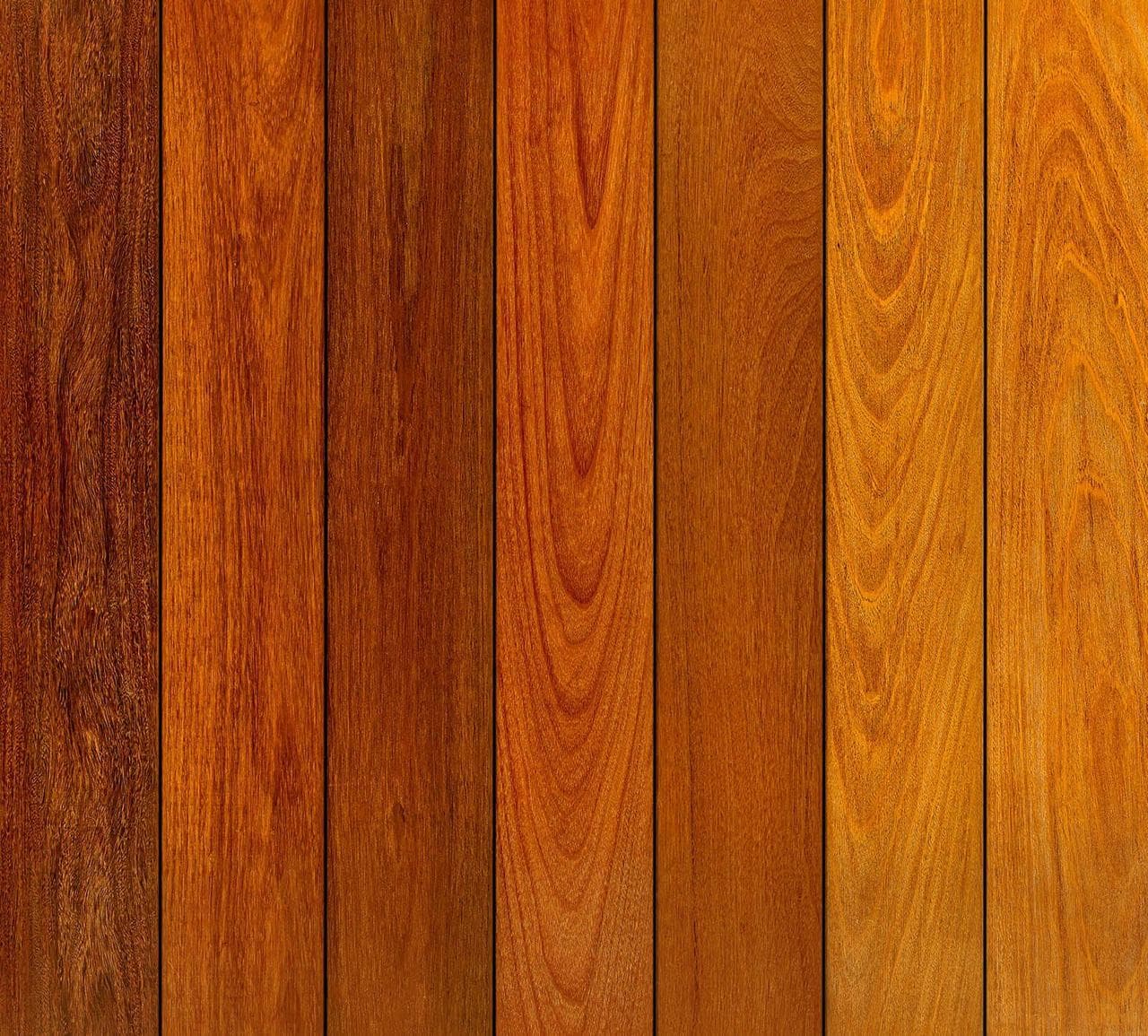
The aesthetic appeal of Ipe lies in its rich, varied coloration, which can range from reddish-brown to olive-brown. When left untreated, Ipe will gradually weather to a silvery-gray patina, a look many homeowners appreciate for its natural charm. If you prefer to maintain its original color, applying a UV-blocking sealer is recommended. Ipe also resists warping after moisture exposure, and its natural oils help protect it from cracking or warping, contributing to its long-term stability and appearance.
Ipe is available in a variety of profiles, typically ranging from 1"x2" to 6"x6" dimensions and lengths from 3 to 24 feet, offering flexibility for custom designs.
Courtyard Design Considerations for Ipe Decking
Courtyards often feature a mix of sun-exposed and shaded areas, which can influence material choices. Ipe's resistance to weathering makes it suitable for both conditions. In sunnier spots, the wood will naturally lighten more quickly if left untreated, while shaded areas may retain their original color longer. Consistent maintenance, such as cleaning and optional sealing, can help unify the appearance across different light exposures.
Drainage is a critical aspect of any courtyard design, especially with decking. Ensure your courtyard design incorporates adequate sub-surface drainage to prevent water accumulation beneath the deck, which can affect the longevity of any decking material. Proper ventilation beneath the deck boards is also important to allow air circulation and prevent moisture buildup. The specific spacing between deck boards, as recommended by the manufacturer, will also contribute to drainage and ventilation.
Worked Example: An 18' x 12' Courtyard Deck in Savannah
Let's consider a hypothetical 18-foot by 12-foot courtyard space intended for an outdoor dining and lounge area. This project will use 1x6 (nominal 3/4" x 5 1/2" actual) Ipe decking boards. The total area is 216 square feet. To calculate the number of boards needed, we need to consider board length availability and cutting waste.
Assuming we want to minimize seams and use longer boards where possible, we could aim for a layout that uses 18-foot boards running the length of the 18-foot dimension. For the 12-foot width, we would need 12 feet / 5.5 inches (actual board width) = approximately 26.18 boards. If using 18-foot lengths, this would mean 27 boards x 18 feet/board = 486 linear feet. However, Ipe is commonly sold in a mix of lengths. A more practical approach is to calculate total square footage and then convert to linear footage based on the board width.
For 216 square feet, and using 5.5-inch wide boards (0.4583 feet), the total linear footage required would be 216 sq ft / 0.4583 ft/board = approximately 471.3 linear feet. Accounting for cuts, waste, and potential repairs, adding 10-15% overage is a common practice. For this example, let's use a 15% overage: 471.3 linear feet * 1.15 = approximately 542 linear feet. When ordering, you would specify the desired linear footage and a mix of available lengths (e.g., 10-foot, 12-foot, 14-foot, 16-foot, 18-foot, 20-foot) to allow for efficient cutting and minimize waste on site. For example, you might order a mix of 12-foot and 18-foot boards to achieve the 18-foot length with minimal splicing.
Consider the subframe material for this project. Given Ipe's density, a robust subframe is essential. Pressure-treated lumber or steel joists are common choices. This project also calls for a picture-frame border using the same Ipe material for a finished edge, which would add to the linear footage calculation for the perimeter.
Installation and Fastening Methods
Due to Ipe's density, professional installation is often recommended. Specialized tools and techniques are typically required for cutting, drilling, and fastening. Pilot holes are almost always necessary for fasteners to prevent splitting the wood.
There are two primary fastening methods: face fastening and hidden fastening. Face fastening involves screwing directly through the face of the board into the joists, often with plugs to conceal the screw heads for a cleaner look. Hidden fastening systems use clips or fasteners that attach to the sides of the boards, creating a smooth, unblemished surface. Each method has specific requirements for board profiles (grooved vs. square edge) and installation techniques. Discuss these options with your installer to determine the best approach for your courtyard's design and desired aesthetic.
Proper board spacing is crucial for Ipe decking. The exact gap size should follow the manufacturer's guidelines to allow for natural expansion and contraction, which helps prevent cupping or buckling.
Maintenance for Ipe Decking in Savannah's Climate
Ipe wood is considered low maintenance, but occasional care will help preserve its appearance and extend its life. In Savannah's climate, regular cleaning to remove dirt, pollen, and mildew is important. A mild detergent and water, along with a soft brush, are usually sufficient. Avoid harsh chemicals or high-pressure washers, which can damage the wood fibers.
If you choose to maintain Ipe's original reddish-brown to olive-brown color, a UV-blocking oil finish or sealer should be applied periodically. The frequency of reapplication will depend on sun exposure and wear, but typically every 1-2 years. If you prefer the silvery-gray patina, no sealer is needed, though regular cleaning is still recommended. This natural weathering process does not compromise the wood's durability or resistance.
Ensure good ventilation underneath your deck to prevent moisture buildup, which can contribute to mildew and potential issues over time. Clear any debris that might block airflow.
Before you order
- Determine the desired aesthetic: natural weathered gray or maintained original color?
- Measure your courtyard space accurately, noting any irregular shapes or existing structures.
- Consider the sun exposure and shade patterns within the courtyard.
- Plan for proper drainage and ventilation beneath the deck surface.
- Choose between face fastening with plugs or a hidden fastening system.
- Verify Ipe board dimensions and available lengths for efficient layout.
- Account for a 10-15% waste factor in material calculations.
- Confirm the subframe material and joist spacing are compatible with Ipe.
- Plan for regular cleaning and, if desired, periodic application of a UV-blocking sealer.
- Consult with a professional installer experienced with Ipe decking.
Confirm installation details, approved uses and warranty terms in the current instructions for the exact product and profile. Your installer should verify the substrate, structure and applicable project requirements.
This is a planning guide for projects in Savannah, GA. Ask our team to confirm availability, delivery to your ZIP code and which branch can support your order.
Questions to help you decide
How long can Ipe decking last in a Savannah courtyard?
With proper installation and care, Ipe decking can last for many decades. Its natural resistance to rot, insects, and mold contributes significantly to its longevity, even in humid environments like Savannah.
Will Ipe decking get hot in the Savannah sun?
Like all dark-colored surfaces, Ipe decking can absorb heat and become warm in direct sunlight. However, its density helps it dissipate heat more effectively than some other decking materials. If left to weather to a silvery-gray patina, the lighter surface can also help reduce heat absorption compared to a freshly oiled dark surface.
Can I install Ipe decking myself for a courtyard project?
While it is possible for experienced DIYers, Ipe is a very dense hardwood that requires specialized tools and techniques for cutting, drilling, and fastening. Professional installation is generally recommended to ensure proper techniques are used and to achieve the best results and longevity for your deck.
Request an Ipe Decking Quote for Your Savannah Courtyard
Ready to transform your Savannah courtyard with Ipe decking? Request a material quote by providing your project dimensions, desired Ipe profile, and ZIP code. We can confirm current availability and service options for your area. Explore our full range of decking options, including hardwood, composite, and PVC, to find the perfect fit for your outdoor vision.
Request a material quote →