Why Ipe Decking for a Phoenix Courtyard?
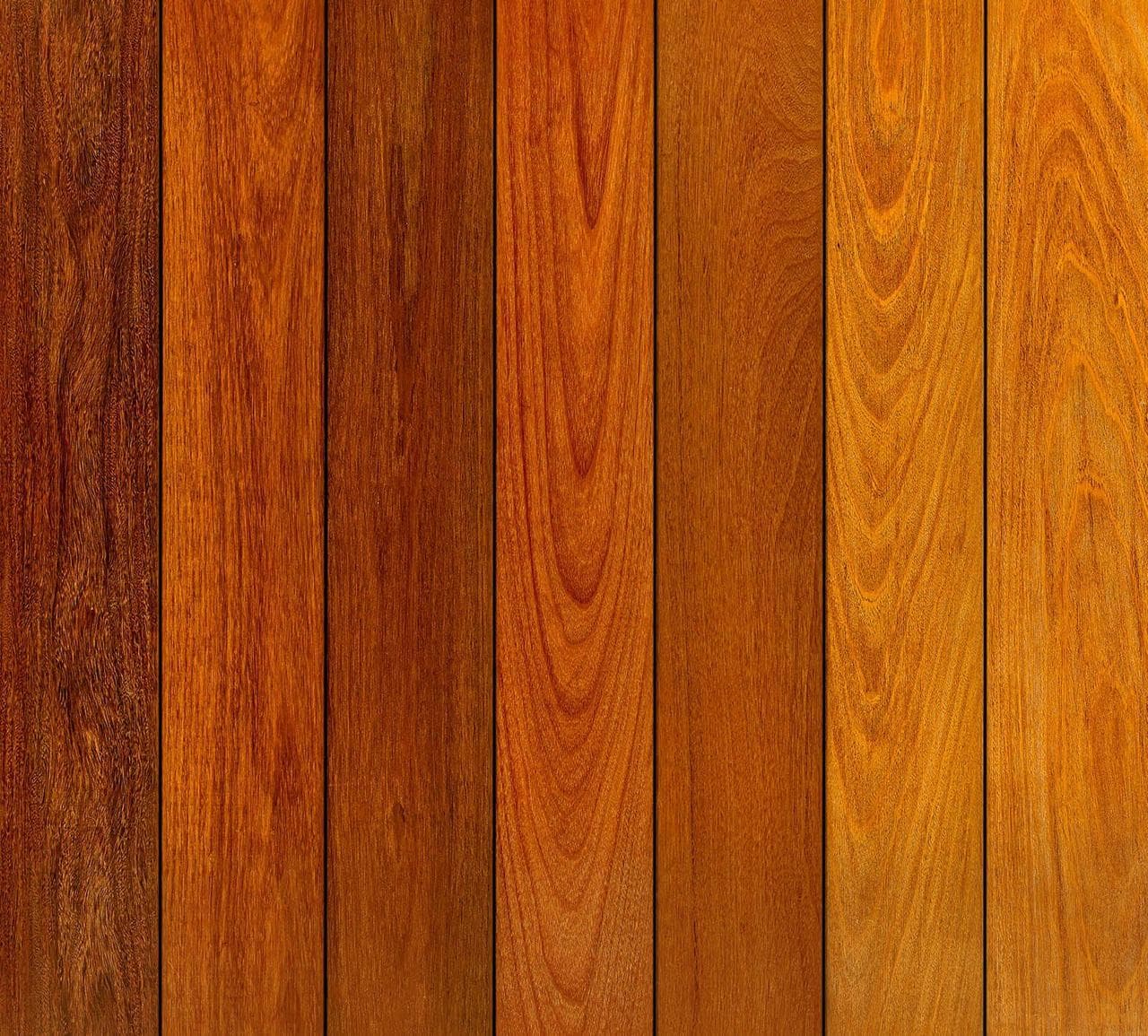
Ipe wood, also known as Brazilian walnut, is a dense, durable hardwood originating from South America. Its natural properties make it a consideration for outdoor applications, even in environments with significant temperature fluctuations. For a courtyard outdoor room, Ipe offers a balance of strength and visual appeal. Its color ranges from reddish-brown to olive-brown, providing a rich, natural foundation for an outdoor space. (Source: S1)
In a courtyard setting, where shade might be intermittent and exposure to elements varied, Ipe's resistance to weather changes is a notable advantage. It is also naturally resistant to rot, insects, and mold, reducing the need for chemical treatments. (Source: S1)
Planning Your Courtyard Outdoor Room Layout
A courtyard outdoor room often serves multiple functions, from dining to lounging. Carefully planning the layout is crucial to maximize usability and aesthetic flow. Consider how furniture will be arranged, where planters might be placed, and how pathways will integrate with the decking. For example, a central dining area might be flanked by smaller seating nooks, or a continuous deck surface could lead to a water feature.
The dimensions of your courtyard will dictate the most efficient use of Ipe board lengths and widths. Ipe is available in various profiles, typically from 1"x2" to 6"x6" dimensions and lengths from 3 to 24 feet. (Source: S1) Planning your layout to minimize cuts can optimize material use and reduce waste. For a seamless look, wider boards might be preferred, while narrower boards can create a more intricate pattern.
Choosing Ipe Profiles and Fasteners
Ipe decking is available in both grooved and square-edge profiles. Grooved boards are typically used with hidden fastening systems, which create a smooth, fastener-free surface. Square-edge boards are face-fastened, often with visible screws that are then plugged with Ipe wood for a finished look. The choice between these profiles affects both the installation process and the final aesthetic.
Due to Ipe's density, specialized tools and techniques are generally recommended for installation. Pilot holes are typically required for fasteners to prevent splitting. Regardless of the fastening method, using high-quality, corrosion-resistant fasteners, such as stainless steel, is recommended to ensure the longevity of your deck. This is particularly important for outdoor applications where moisture exposure is a factor.
Maintaining Your Ipe Deck in a Desert Climate
Ipe wood is considered low maintenance. If left untreated, Ipe will naturally weather to a silvery-gray patina over time. This process is a natural characteristic of the wood and can be a desirable aesthetic for some projects. (Source: S1)
If you prefer to maintain Ipe's original reddish-brown to olive-brown color, applying a UV-blocking sealer is recommended. Occasional cleaning will also help preserve its appearance and extend its life. The frequency of sealing and cleaning will depend on the specific exposure of your courtyard to sun and dust. Ipe's natural oils help protect it from cracking or warping, even in arid conditions. (Source: S1)
Example: A 10'x15' Courtyard Deck with Ipe
Consider a hypothetical courtyard measuring 10 feet by 15 feet, intended for a small dining area and two lounge chairs. We'll plan for 1x6 (nominal 5/4" x 5.5" actual) Ipe decking boards. For a clean look, we opt for grooved boards with a hidden fastening system.
Total area: 10 ft * 15 ft = 150 square feet. If using 5.5-inch wide boards, approximately 27.27 boards would be needed to cover the 10-foot width (120 inches / 5.5 inches per board). Rounding up, we'd plan for 28 boards across the width. For the 15-foot length, using standard 15-foot lengths would minimize butt joints. For this project, we would calculate the linear footage. 150 sq ft / (5.5 inches / 12 inches/foot) = approximately 327 linear feet of 1x6 board. To account for cuts and waste, adding 10-15% is a common practice, bringing the estimated linear footage to around 360-376 feet. This would translate to approximately 24-25 boards of 15-foot length, or a mix of shorter lengths depending on availability and desired layout. Always confirm actual board dimensions and factoring in waste and cuts for your specific project.
Before you order
- Determine the primary function(s) of your courtyard outdoor room (e.g., dining, lounging, entertaining).
- Measure the exact dimensions of your courtyard and sketch a preliminary layout.
- Decide on Ipe board profile: grooved for hidden fasteners or square-edge for face-fastening.
- Consider the desired finished appearance: natural silver-gray patina or maintained original color with a UV-blocking sealer.
- Plan for proper ventilation beneath the deck to prevent moisture accumulation.
- Consult with an installer regarding specialized tools and techniques for Ipe, especially for a dense material.
- Obtain a detailed material quote based on your project dimensions and preferred Ipe profile.
- Confirm local building codes and permits required for deck construction in Phoenix, AZ.
Confirm installation details, approved uses and warranty terms in the current instructions for the exact product and profile. Your installer should verify the substrate, structure and applicable project requirements.
This is a planning guide for projects in Phoenix, AZ. Ask our team to confirm availability, delivery to your ZIP code and which branch can support your order.
Questions to help you decide
How does Ipe decking perform in the Phoenix desert climate?
Ipe is highly weather-resistant. Its natural oils protect it from cracking or warping, which is beneficial in environments with significant temperature swings like Phoenix. It also resists mold and insects, reducing maintenance needs. (Source: S1)
Will Ipe decking get too hot in the sun?
Like all dark-colored materials, Ipe decking can absorb heat from direct sunlight. In a courtyard, the degree of heat will depend on the amount of shade the area receives. Its density helps it retain heat, so consider the sun exposure of your specific courtyard when planning. Using a UV-blocking finish may slightly alter surface temperature compared to a weathered, untreated surface.
What kind of maintenance does Ipe decking require in Phoenix?
Ipe wood is low maintenance. If you prefer its natural reddish-brown color, apply a UV-blocking sealer periodically. If left untreated, it will weather to a silvery-gray patina. Occasional cleaning with water and a soft brush is generally sufficient to remove dust and debris. (Source: S1)
Request a Quote for Your Ipe Courtyard Decking Project
Ready to transform your Phoenix courtyard with Ipe decking? Provide your project dimensions, desired Ipe profile, and ZIP code to receive a material quote. We can also help confirm current availability and service options for your area.
Request a material quote →