Why Choose Garapa for a Phoenix Terrace?
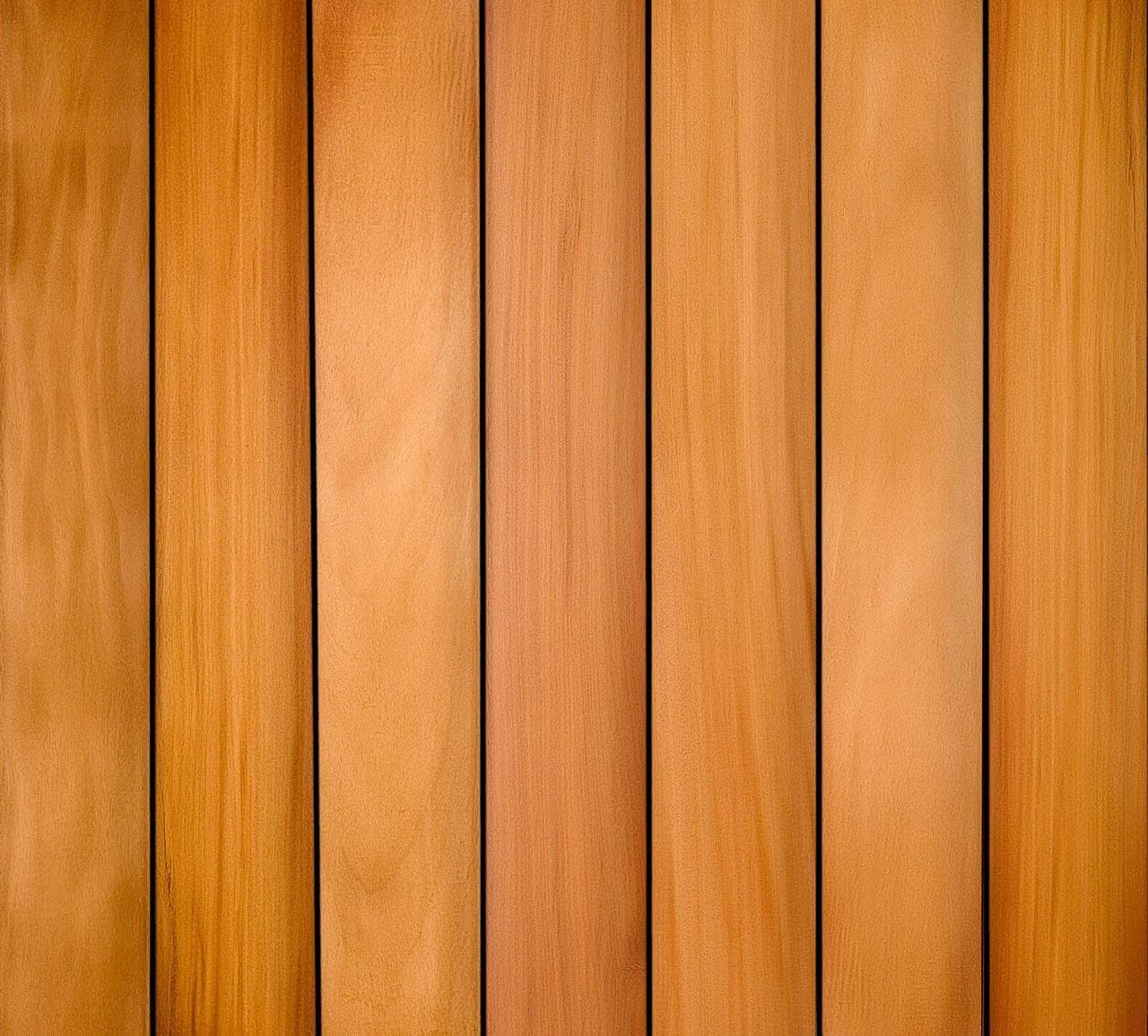
Garapa (Apuleia leiocarpa), often referred to as Brazilian Ash, is a hardwood originating from Brazil. It is valued for its distinct golden color, which can add a bright and modern touch to any outdoor space. For a Phoenix terrace, where aesthetics and performance under sun exposure are critical, Garapa offers a compelling combination.
One of Garapa's key advantages is its natural resistance to rot, decay, and insects, reducing the need for constant chemical treatments. This characteristic is particularly beneficial in an outdoor setting where exposure to the elements is continuous. Garapa is also noted for its durability and resistance to weather changes, which can be a factor in areas experiencing significant temperature fluctuations.
The wood's inherent qualities, including being scratch and slip resistant with minimal splintering, make it a practical choice for a terrace surface where comfort and safety are important. Its golden tone can also lighten a space and provide a visual contrast against the surrounding desert landscape or masonry often found in Phoenix architecture.
Garapa is available in profiles such as 5/4"x6" (actual 1" x 5.5"), with grooved options available, and in lengths ranging from 3 to 24 feet. These dimensions offer flexibility in design and layout for various terrace sizes and configurations.
Designing for Phoenix Sun Exposure
The intense sun in Phoenix, AZ, is a primary consideration for any outdoor material. While Garapa is described as resistant to weather changes, all wood exposed to direct sunlight will undergo a natural weathering process. Garapa's golden color will gradually lighten and develop a silver-gray patina over time if left untreated. This natural aging process does not necessarily diminish the wood's structural integrity but changes its appearance.
If maintaining the initial golden hue is desired, regular application of a UV-inhibiting oil finish is recommended. This can help protect the wood from the sun's rays and slow the graying process. For a terrace, consider the balance between a low-maintenance, naturally weathered look and the effort required to preserve the original color.
Terrace design should also account for potential surface temperatures. While Garapa itself is a natural material, any dark-colored surface can become hot under direct Phoenix sun. Lighter finishes or the natural graying of Garapa may help mitigate some heat absorption compared to very dark decking materials. Strategic shading solutions, such as pergolas, awnings, or shade sails, can further enhance comfort and protect the decking surface.
Proper ventilation beneath the decking is crucial, especially in warm climates. Ensure that the terrace structure allows for adequate airflow to prevent moisture buildup and promote drying, which contributes to the longevity of the decking.
Terrace Layout and Board Selection
The layout of your Garapa decking can significantly influence the aesthetic and perceived size of your terrace. Common layout options include straight, diagonal, or a picture-frame border. For a terrace, a straight lay (boards running parallel to the longest edge of the space) can create a sense of expansiveness. Diagonal layouts can add visual interest but may result in more material waste due to angled cuts.
Consider the available board lengths (3-24 ft) when planning your layout. Longer boards can reduce the number of visible seams, contributing to a cleaner, more continuous appearance. For a terrace, minimizing seams can be particularly effective in creating a seamless transition from indoor to outdoor spaces. The 5/4"x6" profile offers a substantial feel underfoot.
When planning, sketch out your terrace dimensions and experiment with different board orientations. This helps visualize the final look and identify potential challenges or opportunities for optimizing material use. Remember to factor in the required spacing between boards for drainage and expansion, following manufacturer guidelines for the specific product and climate conditions.
Worked Example: A Phoenix Terrace Project
Let's consider a hypothetical terrace project for a home in Phoenix, AZ. The terrace is a rectangular space, 10 feet wide by 20 feet long (200 sq ft), directly accessible from the living room. The homeowner desires a modern, warm aesthetic that complements the home's contemporary design.
The decision is to use Garapa 5/4"x6" (1" x 5.5" actual) decking boards, laid straight, parallel to the 20-foot length of the terrace. This orientation will maximize the use of longer boards and create a sense of depth. We will also include a single picture-frame border around the perimeter using the same Garapa profile.
The width of each board is 5.5 inches. To cover the 10-foot width, we need 10 ft * (12 inches/ft) / 5.5 inches per board = approximately 21.8 boards. We round up to 22 boards for the main field.
For the picture-frame border, assume a 5.5-inch wide border on all four sides. The total perimeter is (10 ft + 20 ft) * 2 = 60 linear feet. If we use 20-foot boards for the long sides and 10-foot boards for the short sides (with mitered corners), we would need two 20-foot boards and two 10-foot boards. However, for a continuous look, it's often better to cut longer boards to fit, minimizing butt joints. Assuming we cut from 20-foot lengths to create the border, we'd need additional boards to form the frame.
To calculate the total linear footage for the main field: 22 boards * 20 feet/board = 440 linear feet. For the border, assuming it's laid around the exterior of the main field: two 20-foot lengths and two 10-foot lengths for the outer frame, plus an additional amount for mitered corners and waste. A more precise calculation for the border, accounting for the width of the main field: the two long border pieces would be 20 ft each, and the two short border pieces would be 10 ft - (2 * 5.5 inches / 12 inches/ft) = 10 ft - 0.916 ft = 9.08 ft each. Total linear footage for the border is 2*20 + 2*9.08 = 40 + 18.16 = 58.16 linear feet. Rounding up to ensure enough material for cuts and waste, for instance, by purchasing two 20-foot boards and two 10-foot boards for the border, we have 60 linear feet.
The total linear footage required for this project is 440 LF (main field) + 60 LF (border) = 500 linear feet of Garapa 5/4"x6" decking. This calculation is a starting point; always add a percentage (e.g., 10-15%) for cuts, waste, and future repairs. In this case, 500 LF * 1.15 = 575 linear feet. This would be translated into specific board lengths for ordering, aiming to minimize cuts and waste. For example, a mix of 20-foot and 16-foot lengths could be efficient.
Complementary Products and Accessories
Beyond the Garapa decking boards themselves, consider several complementary products to complete your terrace project. Fasteners are essential; options include hidden fastening systems for a clean, uninterrupted surface, or face-fastening with visible screws. The choice depends on aesthetics, installation preference, and budget. Ensure any chosen fasteners are compatible with hardwood and suitable for outdoor exposure.
Proper substructure is critical for any deck. This includes joists and beams, which can be pressure-treated lumber or other suitable materials, ensuring adequate support and drainage. For a terrace, the existing structural elements of the building or a new, engineered support system must be robust enough to handle the weight of the decking and anticipated live loads (furniture, people).
For finishing, if you choose to maintain Garapa's golden color, a high-quality exterior wood finish with UV inhibitors will be necessary. These finishes protect the wood and enhance its natural beauty. Regular cleaning products specifically designed for wood decking will also be useful for ongoing maintenance.
Consider adding exterior lighting, planters, or built-in seating to enhance the functionality and ambiance of your Garapa terrace. These elements should be integrated into the design early to ensure proper installation and material compatibility.
Before you order
- Confirm terrace dimensions and desired layout (straight, diagonal, border).
- Decide on the preferred Garapa aesthetic: natural graying or maintained golden color with UV-inhibiting oil.
- Verify existing or planned substructure for adequate support and ventilation.
- Select fastening method: hidden fasteners for a clean look or face-fastening.
- Calculate estimated linear footage of Garapa decking, including waste factor.
- Identify any complementary products needed (finishes, cleaners, structural lumber).
- Consider shade solutions for sun exposure and comfort.
- Review local building codes and obtain necessary permits for elevated structures.
Confirm installation details, approved uses and warranty terms in the current instructions for the exact product and profile. Your installer should verify the substrate, structure and applicable project requirements.
This is a planning guide for projects in Phoenix, AZ. Ask our team to confirm availability, delivery to your ZIP code and which branch can support your order.
Questions to help you decide
How does Garapa decking perform in the Phoenix sun?
Garapa is a durable hardwood resistant to weather changes. In the intense Phoenix sun, if left untreated, its golden color will naturally weather to a silver-gray patina over time. To maintain its golden hue, regular application of a UV-inhibiting oil finish is recommended. Proper ventilation and potential shading solutions should also be considered to enhance comfort.
Does Garapa decking require special maintenance in a hot climate?
Garapa has natural resistance to rot, decay, and insects, reducing the need for constant chemical treatments. For maintenance in a hot climate, a key consideration is managing its appearance. If you prefer to preserve the golden color, periodic application of a UV-protective finish is needed. Otherwise, it will naturally gray. Regular cleaning to remove dirt and debris is generally recommended for any decking material.
What profiles and lengths are available for Garapa decking?
Garapa decking is typically available in a 5/4"x6" profile, which measures approximately 1" x 5.5" actual. A grooved option may also be available for use with hidden fastening systems. Boards come in a range of lengths, from 3 to 24 feet, offering flexibility for various terrace sizes and design layouts.
Ready to Plan Your Garapa Terrace in Phoenix?
Request a material quote today. Provide your project dimensions, desired Garapa profile, and ZIP code to confirm current availability and service options. Our team can assist you in selecting the right quantities for your Phoenix terrace project.
Request a material quote →