Why Ipe Decking for Park City Courtyards?
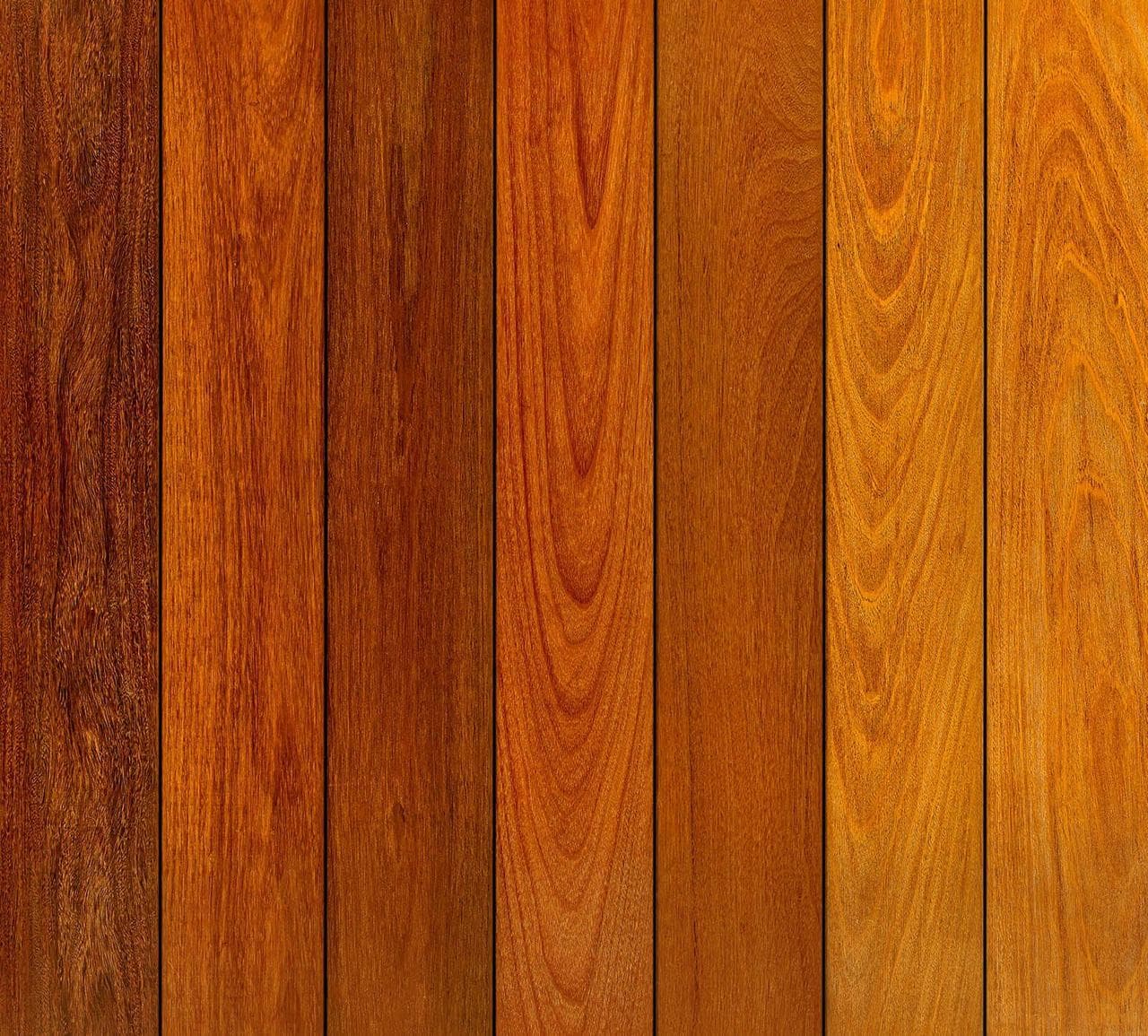
Ipe wood, also known as Brazilian walnut, is a dense, durable hardwood originating from South America. Its inherent properties make it a strong candidate for outdoor applications, including courtyards. Ipe's color ranges from reddish-brown to olive-brown, offering a rich, natural aesthetic.
One of Ipe's key advantages is its durability. It is naturally resistant to rot, insects, and mold, which can be a significant benefit in outdoor environments. This natural resistance means it requires minimal chemical treatments for protection. Furthermore, Ipe is known for minimal movement post-installation and resists warping after moisture exposure, with natural oils that protect it from cracking.
For a courtyard in Park City, where seasonal changes can be pronounced, Ipe's resilience to weather changes is a valuable attribute. It can be left untreated to weather to a silvery-gray patina, or a UV-blocking sealer can be applied to maintain its original color. This flexibility in finish allows for customization to match your desired courtyard aesthetic.
Understanding Ipe Decking Profiles and Dimensions
Ipe decking is available in a variety of profiles and sizes, providing options for different design and installation requirements. Common profiles include square-edge boards for face-fastening and grooved boards designed for hidden fastener systems.
Typical dimensions for Ipe decking range from 1x2 inches up to 6x6 inches, with lengths available from 3 to 24 feet. When planning your courtyard, consider how board width and length will impact the visual flow and the number of seams. Wider boards can create a more expansive feel, while narrower boards might lend themselves to intricate patterns. Longer lengths can minimize butt joints, contributing to a cleaner appearance.
Always verify the exact dimensions and profiles available for your project, as actual measurements can sometimes differ slightly from nominal sizes. This is crucial for accurate material takeoffs and ensuring compatibility with your chosen fastening system.
Planning Your Courtyard Outdoor Room: A Worked Example
Let's consider a hypothetical courtyard outdoor room project in Park City, UT, measuring 15 feet by 20 feet. The goal is to create a durable, low-maintenance deck surface that complements the surrounding architecture. We'll plan for a standard Ipe decking board, 1x6 (nominal) square-edge profile.
First, calculate the total area: 15 feet x 20 feet = 300 square feet. For a 1x6 nominal board, the actual width is typically closer to 5.5 inches (0.458 feet). To cover a 15-foot width, you would need approximately 15 feet / 0.458 feet/board = 32.75 boards. Rounding up, you'd need 33 boards for the width.
If we plan to run boards along the 20-foot length, each board would be 20 feet long. Therefore, for this section, you would need 33 boards of 20-foot length. However, to account for cuts, waste, and a potential picture-frame border, it's advisable to add a waste factor, typically 10-15%.
For a more detailed plan, consider a picture-frame border using 1x6 Ipe boards. For the 15x20-foot area, the perimeter is (15+20) x 2 = 70 linear feet. If the border uses two boards side-by-side, that's 140 linear feet of border material. The inner deck area would then be reduced, requiring a recalculation of the main field boards. Always account for specific board lengths available and how they can be optimized to minimize cuts and waste. For instance, if 10-foot and 12-foot boards are readily available, a 20-foot run might require two 10-foot boards with a butt joint, or one 12-foot and one 8-foot board if available and suitable for the layout.
Maintenance and Weathering Expectations for Ipe
Ipe wood is considered low maintenance, but understanding its long-term characteristics is important for planning. If left untreated, Ipe will naturally weather to a silvery-gray patina over time. This process is purely aesthetic and does not compromise the wood's durability.
If you prefer to maintain the original reddish-brown to olive-brown color, a UV-blocking sealer or oil should be applied periodically. The frequency of application depends on sun exposure, local climate conditions, and the specific product used. Regular cleaning to remove dirt and debris is also recommended to preserve the deck's appearance and prevent mildew buildup.
For Park City's climate, where snow and ice can be present for extended periods, Ipe's resistance to warping and cracking from moisture exposure is beneficial. Ensure proper ventilation beneath the deck to prevent moisture accumulation, which is critical for any decking material in a region with significant snowfall.
Logistics and Installation Considerations
Due to its density, Ipe installation requires specialized tools and techniques. Professional installation is often recommended to ensure proper fastening and a high-quality finish. Pre-drilling is typically required for face-fastening to prevent splitting, and specific fasteners designed for dense hardwoods should be used.
When planning your project, consider the delivery and storage of Ipe decking. It should be stored on a flat, level surface, off the ground, and protected from direct sunlight and excessive moisture until installation. Proper acclimation to the local environment before installation is also important to minimize potential movement.
Coordinate with your contractor regarding job site access, material handling, and the sequence of work. For a courtyard project, access might be more constrained than for an open backyard deck, requiring careful planning for material movement and waste removal.
Before you order
- Confirm desired Ipe appearance: natural silver-gray patina or maintained original color?
- Determine Ipe decking profile: square-edge for face-fastening or grooved for hidden fasteners?
- Measure courtyard dimensions accurately, accounting for any irregular shapes or existing structures.
- Calculate required board quantities, including a waste factor (10-15%) and material for borders or stairs.
- Plan for proper deck ventilation, especially important in areas with snow and moisture.
- Verify local building codes and permits required for deck construction in Park City, UT.
- Consider professional installation due to Ipe's density and specialized installation requirements.
- Plan for material delivery, on-site storage, and acclimation prior to installation.
Confirm installation details, approved uses and warranty terms in the current instructions for the exact product and profile. Your installer should verify the substrate, structure and applicable project requirements.
This is a planning guide for projects in Park City, UT. Ask our team to confirm availability, delivery to your ZIP code and which branch can support your order.
Questions to help you decide
How long can Ipe decking last in a Park City courtyard?
With proper care, Ipe decking can last for many decades, potentially up to 75 years. Its natural durability and resistance to rot, insects, and weather changes contribute to its longevity, even in climates with significant seasonal variations like Park City.
Does Ipe decking require special care for winter in Park City?
Ipe is highly weather-resistant and its natural oils protect it from cracking or warping due to moisture. For winter, ensure good drainage and ventilation beneath the deck to prevent prolonged moisture accumulation. Regular cleaning before winter can also help prevent debris from trapping moisture on the surface.
Can I install Ipe decking myself for my courtyard project?
While it's possible for experienced DIYers, Ipe is a very dense hardwood that requires specialized tools and techniques, such as pre-drilling and specific fasteners. Professional installation is generally recommended to ensure the best results and proper adherence to installation guidelines.
Request a Quote for Your Ipe Decking Project
Ready to enhance your Park City courtyard with durable Ipe decking? Request a material quote by providing your project dimensions, desired Ipe profile, and ZIP code. We can confirm current availability and service options to help you get started.
Request a material quote →