Understanding Ipe Decking Characteristics
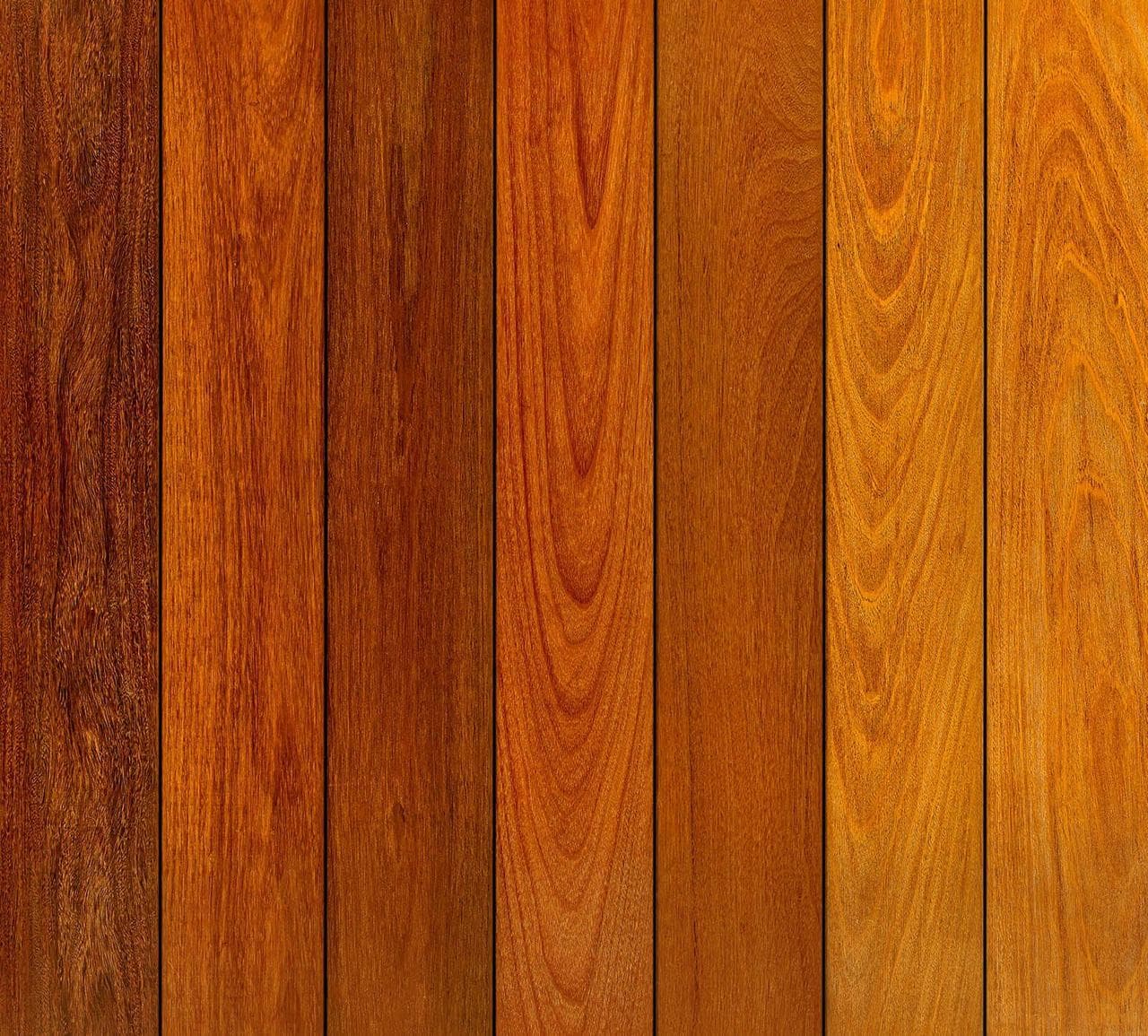
Ipe, also known as Brazilian walnut, is a dense hardwood originating from South America. Its notable characteristics include a fine grain and a color palette that ranges from reddish-brown to olive-brown. These natural variations contribute to the distinct visual appeal of an Ipe deck.
A key benefit of Ipe is its inherent durability. This wood is known for its resistance to weather changes, as well as to mold and termites. These properties contribute to its longevity, making it a material often considered for outdoor applications where resilience is paramount. Ipe can be left untreated to weather to a silvery-gray patina, or a UV-blocking sealer can be applied to help maintain its original color.
The density of Ipe means it is a substantial material for decking. This density also influences its installation, often requiring specialized tools and techniques. Understanding these characteristics upfront helps in planning both the material selection and the installation process for your courtyard outdoor room.
Courtyard-Specific Design Considerations for Ipe
Courtyards, by their nature, are often more sheltered than open decks, which can affect air circulation and sun exposure. When designing with Ipe in a Lincoln, NE courtyard, consider the layout to maximize natural light and airflow. Proper ventilation beneath the deck is important for any decking material, but particularly in enclosed spaces where moisture might linger.
The choice of Ipe profile can influence both the aesthetic and functional aspects of your courtyard deck. Common profiles for Ipe decking include square-edge and grooved boards. Square-edge boards are typically face-fastened, while grooved boards are designed for hidden fastening systems. The appearance of the fastener system is a design choice that can impact the overall look of your outdoor room.
Consider how the Ipe decking will integrate with other courtyard elements, such as planters, seating areas, and any existing hardscaping. The natural color variations of Ipe can provide a sophisticated backdrop or a focal point, depending on your design intent. The dimensions available for Ipe decking vary, often in lengths from 3 to 24 feet and various board widths, allowing for design flexibility.
Maintenance Expectations for Ipe in a Courtyard
Ipe wood is often chosen for its relatively low maintenance requirements compared to some other wood species. For a courtyard outdoor room, this can be a significant advantage. If left untreated, Ipe will naturally weather to a silvery-gray patina. This process is gradual and offers a distinct aesthetic.
To preserve the original reddish-brown to olive-brown color, regular application of a UV-blocking sealer is recommended. The frequency of sealing may depend on the level of sun exposure within your courtyard. Areas that receive more direct sunlight may require more frequent reapplication than shaded sections.
Routine cleaning, such as sweeping and occasional washing with a mild cleaner, helps to remove dirt and debris that can accumulate in a courtyard setting. This simple maintenance helps maintain the deck's appearance and can contribute to its longevity. Always confirm cleaning product compatibility with Ipe before application.
Planning Your Ipe Decking Project: A Worked Example
Let's consider a hypothetical courtyard outdoor room in Lincoln, NE, measuring 12 feet by 16 feet. The homeowner desires a durable, low-maintenance deck to create a defined gathering space.
For this 12-foot by 16-foot area (192 square feet), we will assume using 1x6 (actual dimensions approximately 0.75 inches thick by 5.5 inches wide) Ipe decking boards. If installing boards parallel to the 16-foot dimension, you would need boards that are at least 16 feet long, or a combination of shorter lengths with staggered seams. For a seamless look along the 16-foot length, 16-foot boards are ideal.
To cover the 12-foot width with 5.5-inch wide boards, you would need approximately 26 boards (12 feet * 12 inches/foot / 5.5 inches/board = 26.18 boards). Since you purchase full boards, you would plan for 27 boards to allow for any cuts or slight variations. Therefore, for this example, you would need 27 boards, each 16 feet long. This calculation assumes minimal waste and no complex patterns. Always add a percentage for waste, typically 5-10%, depending on the complexity of your deck layout and cuts. For this example, adding 10% waste would mean purchasing approximately 30 boards.
This example highlights the importance of precise measurements and accounting for board dimensions and potential waste during the planning phase. Ensure to confirm the exact dimensions of the Ipe profiles you intend to purchase.
Complementary Products for Your Ipe Courtyard Deck
Beyond the Ipe decking boards themselves, several complementary products can enhance the functionality and longevity of your courtyard outdoor room.
For fastening, consider using stainless steel screws for face-fastening or a suitable hidden fastening system designed for dense hardwoods. Stainless steel fasteners are often recommended due to their corrosion resistance, which is important for outdoor applications. Always follow the manufacturer's recommendations for pilot hole drilling and fastener type.
To maintain the rich color of Ipe, a high-quality UV-blocking deck oil or sealer is essential. These products help to nourish the wood and protect it from sun exposure, which can cause the wood to gray over time. Look for products specifically formulated for dense hardwoods like Ipe.
For deck substructure, consider using pressure-treated lumber or a durable composite material for joists and beams. Ensuring a robust and properly ventilated substructure is critical for the long-term performance of your Ipe deck, especially in a courtyard where airflow might be limited.
Before you order
- Confirm courtyard dimensions and overall layout.
- Decide on desired Ipe appearance: natural weathered gray or maintained original color.
- Select Ipe decking profile (square-edge or grooved) based on fastening preference.
- Plan for adequate ventilation beneath the deck, especially in enclosed courtyard spaces.
- Factor in waste percentage for cuts and layout during material quantity estimation.
- Choose appropriate fasteners (stainless steel recommended) and any necessary pre-drilling tools.
- Identify a suitable UV-blocking sealer if maintaining the original Ipe color is desired.
- Consider substructure materials that complement the Ipe's durability and lifespan.
Confirm installation details, approved uses and warranty terms in the current instructions for the exact product and profile. Your installer should verify the substrate, structure and applicable project requirements.
This is a planning guide for projects in Lincoln, NE. Ask our team to confirm availability, delivery to your ZIP code and which branch can support your order.
Questions to help you decide
How does Ipe decking perform in Lincoln, NE's climate?
Ipe's natural resistance to weather changes, warping, and cracking makes it well-suited for the varied climate in Lincoln, NE, which experiences both hot summers and cold winters. Its durability helps it withstand seasonal temperature and moisture fluctuations.
Does Ipe wood require sealing in a courtyard setting?
Ipe can be left untreated to weather to a silvery-gray patina. If you prefer to maintain its original reddish-brown to olive-brown color, applying a UV-blocking sealer is recommended. The frequency of reapplication may depend on the level of sun exposure within your specific courtyard.
What kind of substructure is recommended for an Ipe deck in a courtyard?
A robust and well-ventilated substructure is crucial for any deck, especially in a courtyard. Pressure-treated lumber or a durable composite material are common choices for joists and beams. Ensure the substructure is designed to provide adequate support and allow for proper air circulation beneath the Ipe decking boards.
Ready to Plan Your Ipe Courtyard Deck?
Request a material quote today with your project dimensions, desired Ipe profile, and ZIP code. We can confirm current availability and service options for your Lincoln, NE project.
Request a material quote →