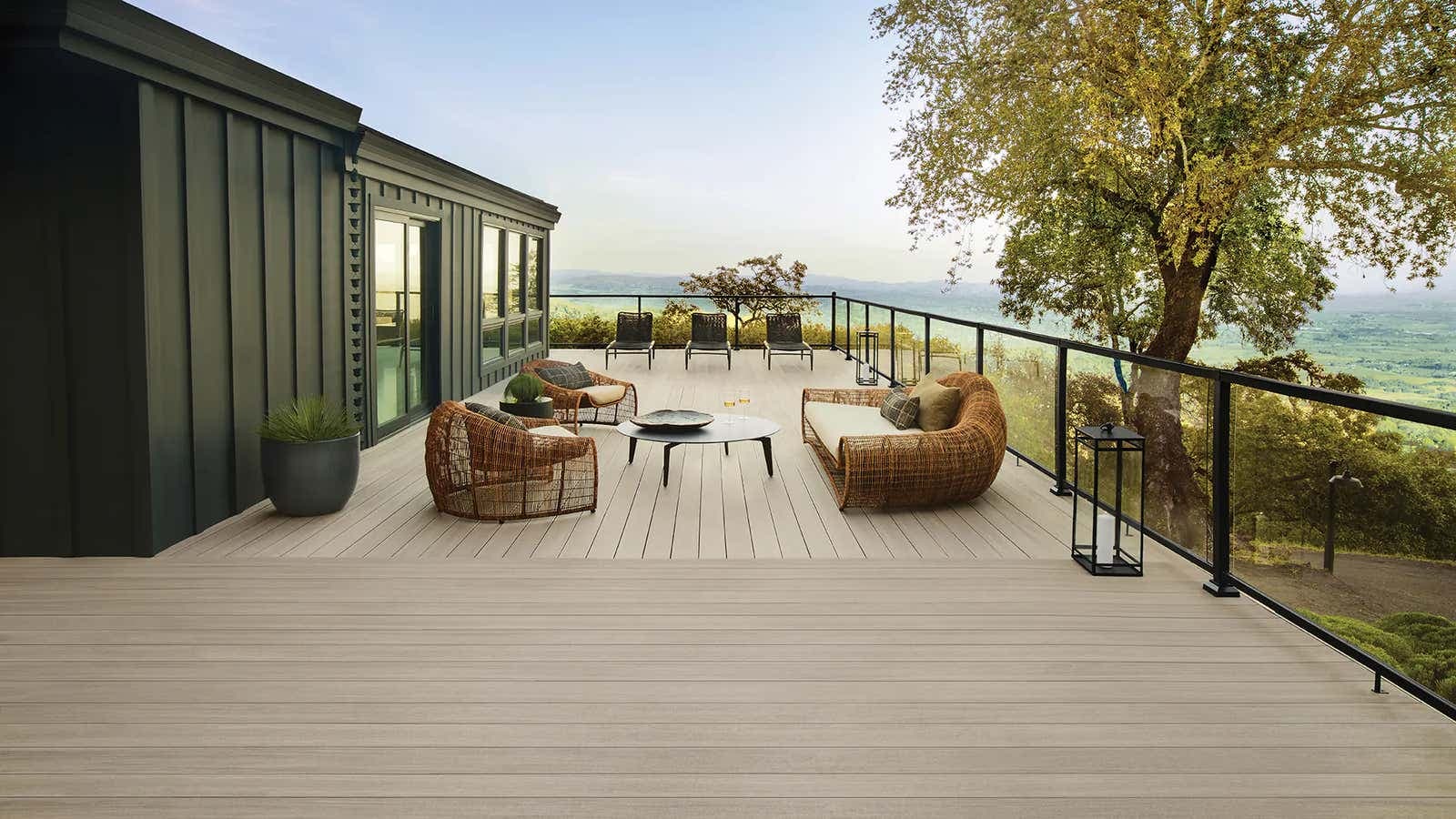
Defining Your Compact Outdoor Space
A compact outdoor space is more than just small; it often presents unique challenges and opportunities. This could be a modest balcony, a narrow urban backyard, a side yard, or a small patio area. The primary goal is to create a sense of openness and utility, making the space feel larger and more purposeful. Composite decking, with its consistent dimensions and clean lines, can contribute to this goal by providing a cohesive and uncluttered foundation.
Consider the primary function of your compact space: Is it for a small bistro set, a reading nook, a container garden, or a pathway? Understanding its intended use will guide your material and design choices. For instance, a high-traffic pathway might benefit from a more robust board, while a quiet seating area might prioritize a specific aesthetic.
Choosing the Right Composite Decking Profile and Board Width
The profile and width of your composite decking boards play a significant role in how a compact space feels. Standard decking boards are often 5.5 inches wide, but narrower or wider options are available. Wider boards can sometimes make a small space feel more expansive by reducing the number of visible seams, while narrower boards might offer a more intricate or traditional look.
For compact areas, consider solid or scalloped profiles. Solid profiles offer a substantial feel and can be advantageous where edges are exposed, while scalloped profiles can be lighter. Brands like Trex, TimberTech, and Fiberon offer various profiles and widths. Reviewing samples can help visualize the effect of different board sizes in your specific area. The consistent nature of composite boards, with their uniform color and grain, helps maintain a clean, organized appearance vital for smaller areas.
Some composite decking lines offer specific fascia and riser boards. Using these coordinated trim pieces helps create a finished look, particularly important in compact spaces where every detail is noticeable. Matching or complementary trim can define the edges of your deck without adding visual clutter.
Color and Finish Selection for Visual Expansion
In compact outdoor spaces, color and finish choices can significantly influence the perception of size. Lighter colors tend to reflect more light, making a space feel brighter and more open. Consider shades like light grays, tans, or muted browns. These colors can help a small deck blend seamlessly with its surroundings and reduce visual weight.
The finish of the decking also matters. Matte finishes can absorb light and create a softer look, while a subtle wood grain texture can add interest without being overwhelming. All major composite decking manufacturers, including Trex, TimberTech, and Fiberon, offer a range of colors and finishes. Some lines also feature cooler-underfoot options, which can be a practical benefit for areas that receive direct sunlight.
While natural wood often silvers or darkens, composite decking from manufacturers like Trex, TimberTech, and Fiberon offers consistent color and grain, board after board, ensuring a predictable aesthetic over time. This consistency is particularly beneficial in small spaces where uniformity contributes to a tidy appearance.
Substructure and Support for Compact Decks
Even for a compact deck, a properly designed and installed substructure is critical. The framing should meet local building codes and manufacturer specifications for joist spacing. Always consult the specific product installation guide.
For ground-level or low-height decks in compact spaces, considerations for ventilation and drainage are important to prevent moisture buildup beneath the deck. Ensure adequate airflow, especially in enclosed areas. If your compact space is a balcony, verify the structural capacity of the existing structure before planning any deck installation. The substructure is the unseen foundation that ensures the long-term stability and performance of your composite deck.
Installation Planning and Access Constraints
Compact spaces often come with access constraints that impact material delivery and installation. Consider how decking boards, fasteners, and tools will be brought to the project site. Longer boards might be challenging to maneuver in tight alleys or through doorways. Planning for potential cuts and waste is also crucial.
For a small deck, minimizing waste is economically sound. Plan your layout to optimize board lengths, aiming for full boards where possible and carefully planning cuts. While composite decking does not require specific gapping for expansion and contraction in the same way some natural materials do, always follow the manufacturer's recommended board spacing to allow for proper drainage and air circulation between boards. Hidden fastener systems can contribute to a clean, uncluttered surface, which is often desirable in smaller areas.
The installation process for composite decking is generally straightforward, but precision is key in compact spaces to achieve a professional finish. Ensure proper alignment and consistent board spacing throughout the project.
Worked Example: A 6-foot by 8-foot Patio Deck
Consider a hypothetical compact patio area measuring 6 feet wide by 8 feet long. The goal is to create a simple, elevated deck surface using composite decking. We'll use standard 12-foot long, 5.5-inch wide composite decking boards for this example. The deck will be constructed parallel to the 8-foot dimension.
First, determine the number of boards needed for the 6-foot width. A 6-foot width is 72 inches. Dividing 72 inches by the 5.5-inch board width gives approximately 13.09 boards. Each board will be cut to 8 feet (96 inches).
With 14 boards, each 8 feet long, the total length of decking needed is 14 boards * 8 feet/board = 112 linear feet. If purchasing 12-foot boards, you would need 10 boards (112 linear feet / 12 feet/board = 9.33, rounded up to 10 boards). Each 12-foot board would yield one 8-foot piece, with a 4-foot offcut. These 4-foot offcuts could potentially be used for smaller sections or trim if your design incorporates them, otherwise, they represent waste.
This calculation is simplified and does not include perimeter beams or ledger boards, which are essential for a complete substructure. This example illustrates how board dimensions and space layout influence material quantity and potential waste.
Before you order
- What is the primary function of your compact outdoor space?
- What are the precise dimensions of the area to be decked?
- Are there any existing structures or features (e.g., walls, doors, windows) that will impact the deck design?
- What is the available access for material delivery and installation?
- Have you checked local building codes for deck height, railings, and permits?
- Which composite decking profile (solid, scalloped) and board width best suits the aesthetic and functional needs?
- What color and finish will visually enhance the compact space?
- Have you planned the substructure to meet manufacturer specifications and local codes?
- Will you use hidden fasteners or face fasteners, and how will this affect the aesthetic?
- How will the deck transition to adjacent landscaping or other surfaces?
- What are your long-term maintenance expectations for the space?
Confirm installation details, approved uses and warranty terms in the current instructions for the exact product and profile. Your installer should verify the substrate, structure and applicable project requirements.
This is a planning guide for projects in Lincoln, NE. Ask our team to confirm availability, delivery to your ZIP code and which branch can support your order.
Questions to help you decide
Can composite decking be installed directly on the ground in a compact space?
Composite decking requires a proper substructure to ensure adequate ventilation, drainage, and structural support. It should not be installed directly on the ground. Even for low-height decks, a framed substructure is essential to prevent moisture issues and ensure the longevity of the decking material. Consult product-specific installation guides for minimum clearance requirements.
How do I clean composite decking in a small area?
Composite decking generally requires minimal maintenance. A simple soap-and-water wash is typically sufficient to clean the surface. For more stubborn dirt or stains, consult the manufacturer's cleaning recommendations, as compatible cleaning products can vary by brand and collection. Avoid harsh chemicals or abrasive scrubbers that could damage the surface. The low-maintenance nature of composite decking, with no oiling, sanding, or staining required, makes it a practical choice for compact spaces where extensive upkeep might be challenging.
Are there specific composite decking options for very small balconies?
Yes, many composite decking lines offer standard board sizes that can be cut to fit small balconies. The key is to verify the structural capacity of the balcony first. For very small areas, consider narrower board widths or a diagonal layout to create visual interest. Some manufacturers also offer composite deck tiles, which can be an option for temporary or modular installations, though these generally require a flat, stable surface underneath and may not be suitable for all applications. Always confirm the specific assembly and support requirements for any product chosen.
Ready to Plan Your Compact Composite Deck?
For a material quote tailored to your project dimensions, exact profile, and ZIP code, or to confirm current availability and service options, contact us today. We can help you select the ideal composite decking for your compact outdoor space.
Request a material quote →