Why Ipe Decking for Fort Lauderdale Courtyards?
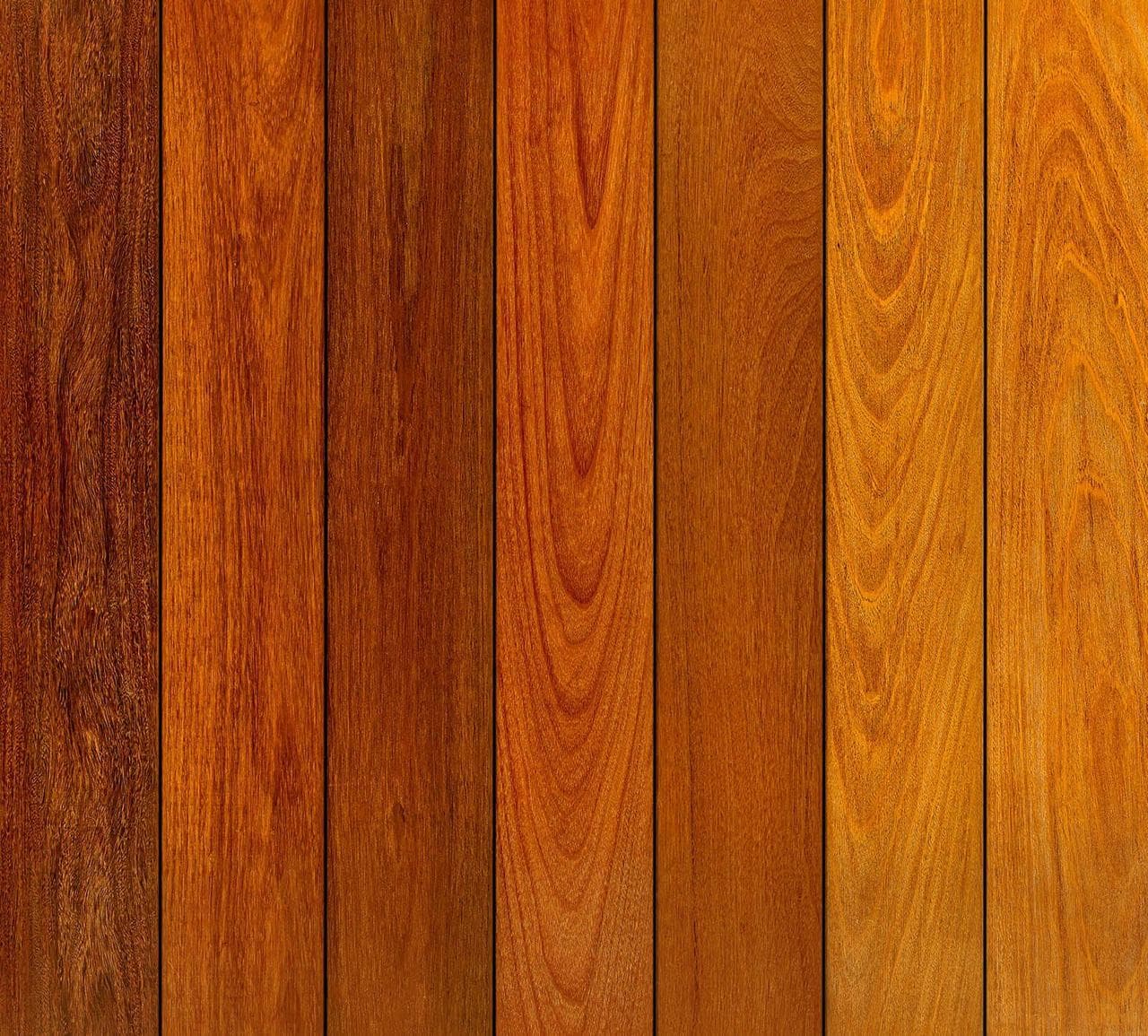
Ipe wood, also known as Brazilian walnut, is a dense and durable hardwood. Its natural properties make it well-suited for outdoor applications, particularly in areas like Fort Lauderdale, FL, known for its warm, humid climate. Ipe's resistance to weather changes, mold, and termites contributes to its longevity in outdoor settings. The wood's color ranges from reddish-brown to olive-brown, offering a rich, natural aesthetic that can enhance the appeal of a courtyard.
Unlike some other decking materials, Ipe is known for its minimal movement post-installation, which can be beneficial in maintaining a stable deck surface over time. This stability, combined with its natural resistance, makes Ipe a practical choice for a courtyard outdoor room where durability and a refined appearance are desired.
The density of Ipe also contributes to its performance. This characteristic means it can withstand heavy foot traffic and the placement of outdoor furniture without showing significant wear, making it suitable for active courtyard spaces.
Common Ipe Decking Profiles for Courtyards
Ipe decking is available in various profiles and dimensions, allowing for flexibility in design and installation. Common profiles include square-edge boards and grooved boards. Square-edge boards are typically face-fastened, where screws are driven through the face of the board into the joists below. Grooved boards are designed to be used with hidden fastening systems, which clip into the grooves on the sides of the boards, resulting in a smooth, fastener-free surface.
For courtyard applications, the choice of profile often depends on the desired aesthetic and installation method. Hidden fasteners can create a clean, contemporary look, while face-fastening can offer a more traditional appearance. Ipe is available in dimensions ranging from 1"x2" through 6"x6" and lengths from 3 to 24 feet. This range allows for customization in board width and length to suit the specific dimensions and layout of a courtyard.
Consider the visual impact of board width in your courtyard design. Wider boards can create a sense of expansive space, while narrower boards might offer a more intricate or linear pattern. The availability of various lengths can also help minimize seams and optimize material usage, especially in smaller or uniquely shaped courtyards.
Designing a Courtyard Outdoor Room with Ipe
Creating an outdoor room in a courtyard involves more than just selecting decking; it's about defining a functional and inviting space. For a courtyard in Fort Lauderdale, consider how the Ipe decking will interact with other elements such as shade structures, planters, and seating areas. The reddish-brown to olive-brown tones of Ipe can provide a warm foundation that complements tropical landscaping and outdoor furnishings.
When planning the layout, think about the primary function of the outdoor room. Will it be primarily for dining, lounging, or a combination? This will influence the flow of traffic and the placement of furniture. For example, a dining area might require a more open, unobstructed deck surface, while a lounging area could incorporate built-in benches or integrated planters.
Consider the scale of the courtyard. If it's a compact space, a diagonal decking pattern or a mix of board widths can add visual interest and make the area feel larger. For larger courtyards, distinct zones can be created using different decking orientations or by incorporating borders using a picture-frame layout.
Maintenance Expectations for Ipe Decking
Ipe wood is considered low maintenance, but understanding its care requirements is important for preserving its appearance and longevity, especially in the humid Fort Lauderdale climate. If left untreated, Ipe will naturally weather to a silvery-gray patina over time. This weathered look is often desired for its natural character.
To maintain Ipe's original reddish-brown to olive-brown color, a UV-blocking sealer or oil can be applied periodically. The frequency of application will depend on sun exposure and personal preference. Regular cleaning with a mild soap and water solution is recommended to remove dirt, pollen, and mildew that can accumulate in a humid environment.
Proper ventilation beneath the deck is crucial for any decking material, including Ipe, to prevent moisture buildup and promote air circulation. In a courtyard, where airflow might be more restricted by surrounding walls, ensuring adequate spacing between deck boards and an open under-deck area is important for managing moisture and contributing to the deck's overall health.
Project Example: A 10' x 12' Courtyard Dining Area
Consider a hypothetical courtyard in Fort Lauderdale, measuring 10 feet by 12 feet, intended as an outdoor dining area. The homeowner desires a clean, contemporary look with minimal visible fasteners. We'll plan for 1x6 (nominal) Ipe decking boards, which typically have an actual dimension closer to 3/4 inch thick by 5.5 inches wide, and will be installed with a hidden fastening system.
For a 10-foot by 12-foot area (120 square feet), we will lay the boards parallel to the 12-foot dimension to minimize cuts. Each 1x6 board is 5.5 inches wide. To cover the 10-foot width (120 inches), we would need 120 inches / 5.5 inches/board = approximately 21.8 boards. Rounding up, we'd need 22 boards for the width.
Since the boards run 12 feet in length, and Ipe is available in up to 24-foot lengths, we can order 12-foot boards to avoid seams. Therefore, for this 10'x12' courtyard, we would need 22 boards, each 12 feet long. This calculation provides the linear footage for the main decking area. Remember to account for waste due to cuts, especially around any obstacles or for edge detailing. A common practice is to add 10-15% for waste, depending on the complexity of the layout. For this example, we would consider ordering an additional 2-3 boards to cover potential waste.
Before you order
- Determine the primary function of your courtyard outdoor room (dining, lounging, entertaining).
- Measure your courtyard dimensions accurately, noting any irregular shapes or obstacles.
- Decide on your preferred aesthetic: natural weathered gray or maintained original color.
- Choose between face-fastened (square-edge boards) or hidden-fastener (grooved boards) installation.
- Consider the visual impact of board width and length on your courtyard's scale.
- Plan for adequate ventilation beneath the deck, especially in enclosed courtyard spaces.
- Factor in waste when calculating material quantities (typically 10-15% extra).
- Identify complementary materials for railings, planters, and shade structures.
- Review local building codes and HOA requirements for outdoor structures.
Confirm installation details, approved uses and warranty terms in the current instructions for the exact product and profile. Your installer should verify the substrate, structure and applicable project requirements.
This is a planning guide for projects in Fort Lauderdale, FL. Ask our team to confirm availability, delivery to your ZIP code and which branch can support your order.
Questions to help you decide
How does Fort Lauderdale's climate affect Ipe decking?
Fort Lauderdale's warm and humid climate is well-suited for Ipe decking due to its natural resistance to rot, insects, and mold. Its dense composition also helps it resist warping or cracking from moisture exposure. However, regular cleaning is recommended to prevent mildew buildup common in humid environments.
Can Ipe decking be installed directly over concrete in a courtyard?
While Ipe is durable, it's generally not recommended to install any decking directly on concrete without proper ventilation and drainage. A sleeper system or pedestals are typically used to elevate the deck boards, allowing for airflow and preventing moisture trapping, which is crucial in humid climates like Fort Lauderdale.
What is the typical appearance of Ipe decking in Fort Lauderdale?
When new, Ipe decking ranges from reddish-brown to olive-brown. If left untreated in Fort Lauderdale's sun, it will naturally weather to a silvery-gray patina. To maintain its original rich color, a UV-blocking oil or sealer needs to be applied periodically, which helps protect it from the intense sun.
Ready to Design Your Ipe Courtyard Outdoor Room?
Request a material quote with your project dimensions, exact profile, and ZIP code to confirm current availability and service options. Our team can help you select the right Ipe decking for your Fort Lauderdale project.
Request a material quote →