Understanding Garapa Hardwood for Terrace Applications
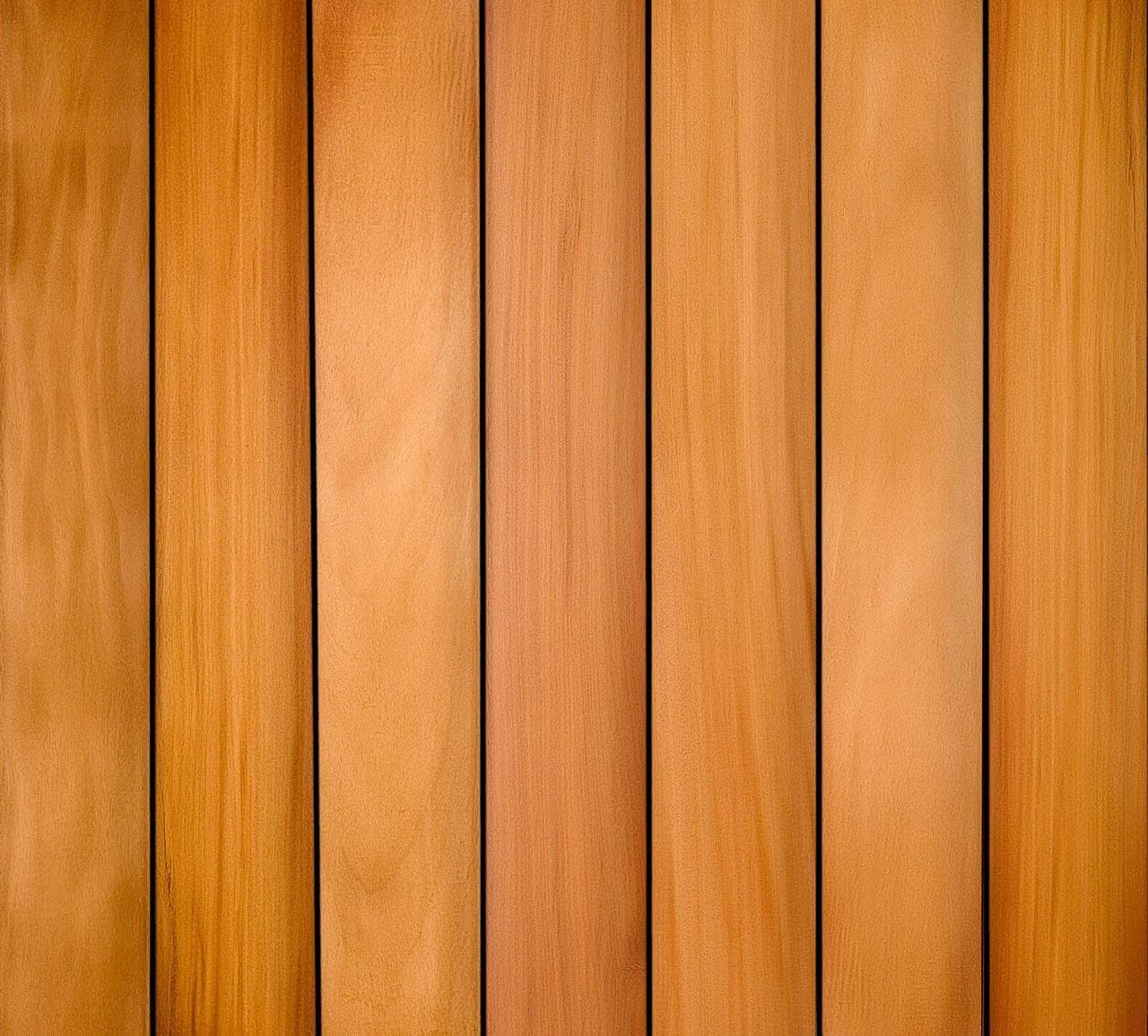
Garapa, botanically known as Apuleia leiocarpa, is a Brazilian hardwood recognized for its distinctive golden color. This warm hue can complement various architectural styles, adding a natural elegance to any outdoor setting. Beyond its appearance, Garapa offers practical benefits for terrace environments.
One of Garapa's key advantages is its natural resistance to rot, decay, and insects, which can be particularly beneficial in humid climates. This inherent durability means it does not require constant chemical treatments to maintain its integrity. It is also noted for being resistant to weather changes and for having a long lifespan, which contributes to its value as an exterior decking material.
Garapa is specified as very durable, with an air dry density of 4.11 lbs/bf. It is also described as scratch and slip resistant, with minimal splintering, which are important considerations for walking surfaces in active outdoor spaces. These characteristics make it a viable choice for terraces where both aesthetics and user comfort are priorities.
When considering Garapa, samples are crucial. The golden color can vary subtly, and observing how it interacts with natural light on your specific terrace site will help confirm it aligns with your design vision. Its appearance can evolve over time, typically mellowing to a silver-gray patina if left untreated, or maintaining its golden hue with regular application of UV-inhibiting finishes.
Terrace Design Considerations with Garapa
Terrace design with Garapa decking involves more than just selecting boards; it's about creating a cohesive and functional outdoor room. Consider the overall layout, including zones for dining, lounging, or potted plants. The golden color of Garapa can serve as a neutral yet warm backdrop, allowing other elements like furniture, planters, and textiles to introduce pops of color and texture.
Board width and length play a role in the visual rhythm of the terrace. Garapa is available in profiles such as 5/4"x6" (actual 1" x 5.5"), with grooved options and lengths typically ranging from 3 to 24 feet. Longer boards can create a sense of expanse and reduce the number of visible seams, while varying widths can introduce visual interest. The choice should align with the scale of your terrace and the desired aesthetic.
Drainage is a critical aspect of terrace design, especially in areas with significant rainfall. Proper slope and spacing between boards are essential to prevent water accumulation and ensure the longevity of the deck structure. Consult with your installer or engineer to ensure the terrace sub-structure and drainage plan are appropriate for your specific site conditions.
For terraces that receive significant sun exposure, the natural properties of Garapa contribute to its suitability. While all wood will absorb heat, Garapa's inherent resistance to weather changes helps it perform in various conditions. The choice of finish can also influence the surface temperature and how quickly the deck ages visually.
Planning a Hypothetical Terrace Project: The "Sunset Retreat"
Let's consider a hypothetical terrace project in Fort Lauderdale, FL, for a downtown condominium building. The terrace measures 12 feet by 18 feet and is intended as a 'Sunset Retreat' for entertaining and relaxation. The design goal is a modern, clean look with a warm, natural material palette.
For this 12 ft x 18 ft terrace (216 sq ft), we'll use Garapa decking in a 5/4"x6" (actual 1" x 5.5") profile. To minimize seams and create a sense of flow, we decide to run the boards parallel to the 18-foot length, using the longest available board lengths where possible.
Each 1" x 5.5" board covers 0.4583 square feet per linear foot (5.5 inches / 12 inches per foot). For a 12-foot board, this is approximately 5.5 square feet. To cover the 216 square feet, we would need approximately 39.27 boards if there were no waste (216 sq ft / 5.5 sq ft per 12 ft board). However, this calculation is simplified. A more accurate take-off accounts for cuts and waste.
For the 12-foot width, we need to calculate how many 5.5-inch wide boards will fit. 12 feet is 144 inches. 144 inches / 5.5 inches per board = 26.18 boards. So, we'd need 27 boards laid across the 12-foot width. To cover the 12-foot width with 27 runs, this would mean purchasing 54 boards of 12-foot length. This would be 648 linear feet of decking (54 boards * 12 ft/board).
It's crucial to add a waste factor, typically 10-15%, for cuts, imperfections, and future repairs. For this project, adding 15% waste to the 648 linear feet would mean ordering approximately 745 linear feet. This provides a buffer for unexpected cuts or board selection. Always confirm specific board lengths and availability when ordering.
A picture-frame border around the perimeter, using the same Garapa, would define the edge and hide end grain. This would require additional lineal footage, calculated based on the perimeter (12+12+18+18 = 60 linear feet) plus miter cut waste. The framing would use an additional 60 linear feet, plus waste.
Maintenance and Longevity in a Coastal Climate
Garapa's natural durability extends to its performance in coastal and warm climates like Fort Lauderdale. It is naturally resistant to rot, decay, and insects, reducing the need for extensive chemical treatments. This characteristic is particularly valuable where humidity and insect activity can be higher.
To maintain Garapa's golden color, regular application of a UV-inhibiting oil finish is recommended. Without a finish, the wood will naturally weather to a silver-gray patina over time. Both appearances are valid design choices, but knowing the desired outcome helps inform the maintenance routine.
Routine cleaning with water and a mild, pH-neutral cleaner can help remove dirt, pollen, and mildew, which can accumulate in humid environments. Avoid harsh chemicals or pressure washers that could damage the wood fibers. Regular cleaning not only preserves the appearance but also helps prevent the buildup of organic matter that can contribute to slip hazards.
While Garapa is described as very durable and resistant to weather changes, monitoring for any signs of wear or damage, especially after prolonged periods of rain or sun, is a good practice.
Complementary Materials and Design Elements
Integrating Garapa decking with other materials can enhance the overall terrace design. Consider pairing the golden tones of Garapa with light-colored pavers or natural stone for pathways or accent areas. The contrast can highlight the wood's warmth and create visual interest.
Railings and privacy screens can be selected to complement Garapa. Materials like stainless steel, clear glass, or powder-coated aluminum can create a contemporary look, while darker-toned hardwoods or composite materials can offer a more traditional or cohesive aesthetic. Ensure any chosen materials are suitable for outdoor exposure in the local climate.
For furnishings, consider outdoor furniture made from weather-resistant materials such as woven synthetics, marine-grade polymer, or treated aluminum. Cushions and textiles in blues, greens, or vibrant tropical hues can draw inspiration from the Fort Lauderdale surroundings and create a lively atmosphere.
Lighting is also crucial for a terrace, especially for evening use. Incorporate ambient lighting, such as string lights or wall sconces, and task lighting for dining or reading areas. Uplighting around planters or architectural features can add dramatic effect and extend the usability of the terrace into the night.
Before you order
- Confirm the desired finished appearance: golden tone with UV protection or natural silver-gray patina.
- Measure your terrace dimensions accurately, accounting for any irregular shapes or existing structures.
- Determine the preferred board width and layout (e.g., parallel, diagonal, picture frame border).
- Calculate linear footage needed, including a waste factor (e.g., 10-15%).
- Plan for proper drainage and ventilation beneath the decking.
- Select complementary railing, furniture, and lighting elements.
- Consider the long-term maintenance commitment for your chosen finish.
- Obtain physical samples of Garapa to evaluate its color and grain in your specific lighting conditions.
- Consult with a professional installer or contractor regarding structural requirements and local building codes.
- Request a detailed quote for all materials, including decking, fasteners, and finishes.
Confirm installation details, approved uses and warranty terms in the current instructions for the exact product and profile. Your installer should verify the substrate, structure and applicable project requirements.
This is a planning guide for projects in Fort Lauderdale, FL. Ask our team to confirm availability, delivery to your ZIP code and which branch can support your order.
Questions to help you decide
What is the typical color of Garapa decking?
Garapa is known for its golden color, which can add a warm and inviting look to any outdoor space. If left untreated, it will naturally weather to a silver-gray patina over time. Regular application of a UV-inhibiting finish can help maintain its original golden hue.
Is Garapa decking suitable for humid climates like Fort Lauderdale?
Yes, Garapa is described as a very durable hardwood with natural resistance to rot, decay, insects, and weather changes.
How do I maintain Garapa decking?
Maintenance typically involves routine cleaning with water and a mild, pH-neutral cleaner to remove dirt and prevent mildew buildup. To preserve its golden color, apply a UV-inhibiting oil finish periodically. If you prefer the silver-gray patina, less frequent finishing is needed, but cleaning remains important.
Ready to Plan Your Garapa Terrace Project?
For a personalized material quote, please provide your project dimensions, desired Garapa profile (e.g., 5/4"x6"), and your Fort Lauderdale ZIP code. We can confirm current availability and service options to help bring your terrace vision to life. Visit our product page for more details: Garapa Decking.
Request a material quote →