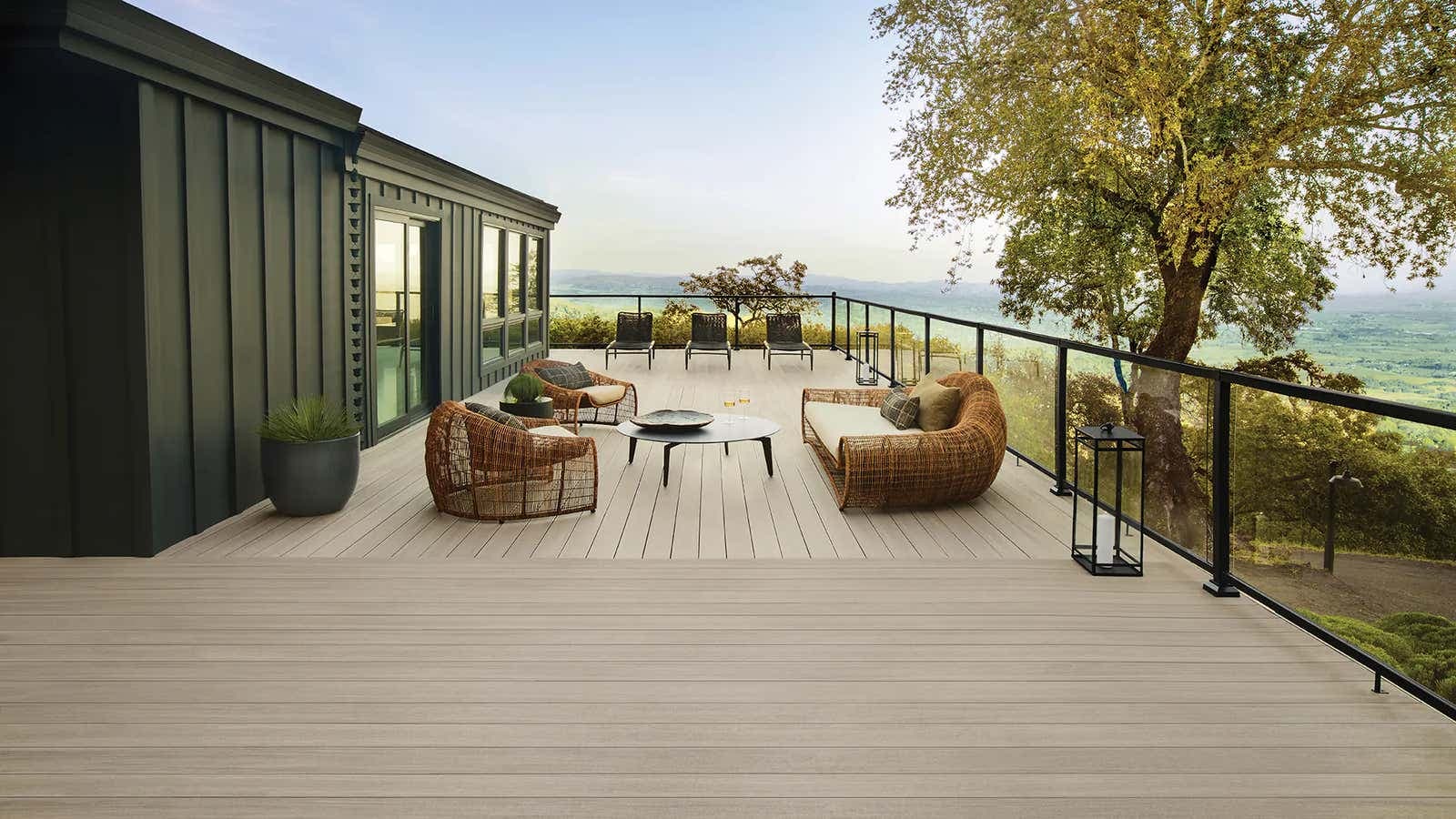
Maximizing Usable Space with Composite Decking
In compact outdoor settings, optimizing every square foot is crucial. Composite decking, available in various board widths and lengths, allows for flexible design. Choosing a narrower board profile can sometimes create a perception of more expansive space, while a consistent color palette can visually unify a small area. Consider how board orientation, such as running boards diagonally, might alter the visual flow and make a space feel larger.
For small balconies or patios, a simple, uninterrupted deck surface can be more effective than complex patterns that might visually clutter the area. The consistent appearance of composite boards, offering uniform color and grain, can contribute to a clean, minimalist look that suits compact designs. This uniformity can also simplify installation, a benefit for projects with limited access.
Collection-Specific Support Details for Compact Projects
Different composite decking collections from manufacturers like Trex, TimberTech, and Fiberon have specific installation requirements, including joist spacing and fastening systems. For compact spaces, understanding these details is essential, especially if you are working with an existing subframe or a unique footprint.
Some collections may offer lighter-weight boards or specific fastening methods that are more suitable for tight installations or situations where access for tools is limited. Always refer to the manufacturer's exact installation guide for the chosen collection to ensure proper support and ventilation, which are critical for the longevity of any deck, regardless of its size. Proper ventilation is especially important in humid climates like Fort Lauderdale to prevent moisture buildup.
Considering Project Access and Logistics in Fort Lauderdale
Logistics for compact outdoor projects in Fort Lauderdale can present unique challenges. Limited access to backyards, balconies, or rooftop areas might dictate board lengths and delivery methods. For example, long boards might be difficult to maneuver through narrow gates, hallways, or up stairs.
Planning for smaller, more manageable board lengths or considering a phased delivery can alleviate these issues. Discussing potential access restrictions with your material supplier beforehand can help ensure a smooth delivery process. Additionally, the relatively light weight of some composite decking products compared to traditional lumber might make them easier to handle in confined spaces.
Durability and Low Maintenance for Fort Lauderdale's Climate
Fort Lauderdale's climate, characterized by high humidity and potential for salt air exposure, makes material durability and low maintenance significant considerations. Composite decking is engineered to resist common outdoor challenges without the need for frequent sanding, staining, or sealing.
Many composite decking options feature capped shells that are designed to resist fading and staining. This characteristic can be particularly valuable in areas prone to humidity and occasional heavy rain, as it helps the deck maintain its appearance with minimal effort. A simple soap-and-water wash is typically sufficient for cleaning, which is a practical benefit for busy homeowners.
For coastal proximity, dense composite boards are designed to remain solid. This can be an advantage in areas where salt air might impact other materials over time.
Worked Example: A 10' x 8' Balcony Deck
Consider a hypothetical 10-foot by 8-foot balcony in Fort Lauderdale, FL, for a compact composite decking project. The goal is to create a functional outdoor seating area.
First, measure the exact dimensions, accounting for any structural elements or drainage points. Assume an existing concrete slab that is level and drains well. For a clean look, we might choose a standard 12-foot composite decking board length to minimize seams, if access allows, or opt for 8-foot boards to reduce waste and ease handling. If using 8-foot boards, a 10-foot length will require one cut board and one full board. If using 12-foot boards, each board would yield an 8-foot section and a 4-foot offcut. For a 10x8 area, you'd need approximately 80 square feet of decking.
If using a 5.5-inch wide composite board, you would need approximately 17-18 boards running the 10-foot direction (8 feet / 5.5 inches = 17.45 boards). If running the 8-foot direction (10 feet / 5.5 inches = 21.8 boards). For an 8-foot width, you'd need 18 boards, each 10 feet long. If purchasing 12-foot boards, you would buy 18 boards. The offcuts could be used for fascia or other small details, provided they are cut cleanly and are appropriate for the application. Always factor in a small percentage for cuts and potential waste, typically 5-10%.
Before you order
- Verify project dimensions and any existing structural limitations.
- Assess site access for material delivery and installation.
- Choose a composite decking collection and color that complements the compact space.
- Confirm the manufacturer's specific installation requirements, especially joist spacing.
- Calculate material quantities, including a waste factor for cuts.
- Plan for proper ventilation beneath the deck, crucial for humid climates.
- Consider board length options to minimize waste and ease handling in tight spaces.
- Determine fascia and trim needs for a finished edge.
- Review cleaning and maintenance guidelines for the selected composite product.
Confirm installation details, approved uses and warranty terms in the current instructions for the exact product and profile. Your installer should verify the substrate, structure and applicable project requirements.
This is a planning guide for projects in Fort Lauderdale, FL. Ask our team to confirm availability, delivery to your ZIP code and which branch can support your order.
Questions to help you decide
What composite decking options are best for small balconies?
For small balconies, consider composite decking options that offer good durability and low maintenance. Brands like Trex, TimberTech, and Fiberon provide various collections with different board widths and colors. Narrower boards can sometimes visually expand a small space. Always check the manufacturer's specific installation guidelines for balcony applications, especially regarding weight and support requirements.
How do I maintain composite decking in Fort Lauderdale's humid climate?
Composite decking is designed for low maintenance. In Fort Lauderdale's humid climate, regular cleaning with soap and water is generally sufficient to remove dirt, pollen, and mildew. Ensure proper ventilation beneath the deck to prevent moisture buildup. Avoid using harsh chemicals or pressure washers that could damage the surface, and always refer to the specific manufacturer's cleaning recommendations for your chosen product.
Can composite decking be installed over an existing concrete patio?
Yes, composite decking can often be installed over an existing concrete patio, provided the patio is level, structurally sound, and allows for adequate drainage and ventilation beneath the deck boards. Typically, a sleeper system or a subframe will need to be constructed on top of the concrete to support the decking and allow for airflow. Always consult with a professional and refer to the decking manufacturer's installation instructions for specific requirements and recommendations for this type of application.
Request a Quote for Your Composite Decking Project
Ready to transform your compact outdoor space? Contact us with your project dimensions, desired composite decking profile, and project ZIP code to receive a material quote. We can help confirm current availability and service options for your Fort Lauderdale project.
Request a material quote →