Understanding Ipe Decking for Enclosed Spaces
Ipe, also known as Brazilian Walnut, is a dense hardwood originating from South America. Its natural properties include resistance to rot, insects, and mold, making it a suitable choice for outdoor environments. For a courtyard, where humidity and potential for standing water might be higher due to limited air circulation, Ipe's inherent resistance can be a significant advantage.
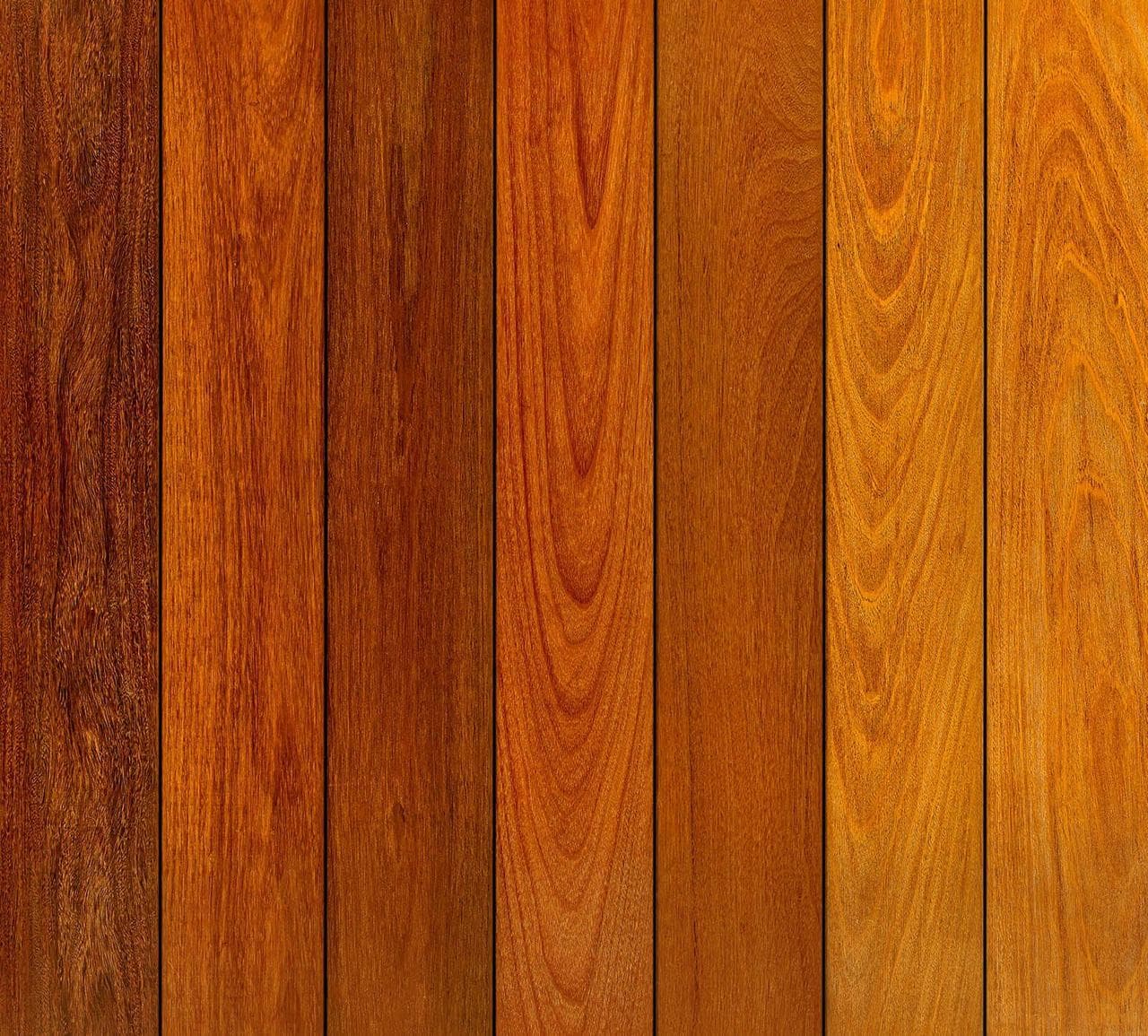
The material's reddish-brown to olive-brown tones offer a rich aesthetic that can complement various architectural styles, from historic Columbus homes to modern urban dwellings. When left untreated, Ipe will naturally weather to a silvery-gray patina, a choice many homeowners appreciate for its low-maintenance character. If the original color is preferred, a UV-blocking sealer can be applied and maintained.
Courtyards often have specific dimensions and existing structures that influence deck design. Ipe is available in various profiles and lengths, typically from 1x2 inches up to 6x6 inches in dimensions and 3 to 24 feet in length. This versatility allows for custom cuts and layouts that can maximize the utility and visual appeal of a compact or irregularly shaped courtyard outdoor room.
Choosing the Right Ipe Profile for Your Courtyard
The profile of your Ipe decking boards plays a role in both the appearance and installation of your courtyard deck. Common options include square-edge and grooved boards. Square-edge boards are typically face-fastened, meaning screws are driven through the face of the board into the joists below. This method is straightforward but leaves visible fasteners.
Grooved Ipe boards are designed for hidden fastening systems, where clips fit into the grooves along the board edges, securing them to the joists without visible screws on the deck surface. This can create a cleaner, more continuous look, which might be particularly appealing in a courtyard where aesthetics are often a primary concern.
Consider the overall design of your outdoor room. For a minimalist or contemporary aesthetic, hidden fasteners with grooved boards might be preferred. If you are aiming for a more traditional or rustic feel, face-fastening with square-edge boards can be appropriate. Always verify the exact dimensions and profiles available for your project needs.
Planning for Drainage and Ventilation in Courtyards
Courtyards, being more enclosed than open decks, require careful planning for drainage and ventilation. Proper drainage prevents water accumulation on and under the deck, which can lead to issues over time. Ensure the deck design incorporates a slight slope away from any adjacent structures, directing water towards a suitable drainage point.
Ventilation is equally important to prevent moisture buildup beneath the deck boards, which can create an environment conducive to mold or mildew, even with a resistant material like Ipe. Adequate spacing between deck boards is crucial for air circulation and water runoff. The specific spacing requirements will depend on the Ipe product and fastening system chosen, so always consult the manufacturer's guidelines.
In a courtyard setting, consider the surrounding walls or structures that might impede natural airflow. If necessary, incorporate design elements such as lattice or gaps in skirting to promote cross-ventilation. This foresight in planning helps maintain the longevity and appearance of your Ipe deck.
Hypothetical Courtyard Deck Project: A Worked Example
Let's consider a hypothetical courtyard in Columbus, OH, measuring 12 feet by 15 feet, intended for an outdoor dining area. The existing surface is a concrete slab with a slight slope. The homeowner desires a durable, low-maintenance deck with a refined appearance.
The actual dimensions of a 1x6 Ipe board are typically closer to 3/4 inch thick by 5.5 inches wide. The deck will be elevated on a sleeper system or low-profile joists to allow for airflow and drainage over the existing concrete.
To calculate the approximate material needed for a 12-foot by 15-foot area (180 square feet):
Each 1x6 board, at 5.5 inches wide, covers approximately 0.458 feet in width. Since boards are purchased in full lengths, we round up to 27 boards across the 12-foot width.
For the 15-foot length, if we plan to lay boards parallel to the 15-foot dimension, each board would be 15 feet long. So, 27 boards x 15 feet/board = 405 linear feet. However, Ipe is available in various lengths. To minimize waste and optimize cost, a mix of lengths (e.g., 10-foot and 12-foot boards) might be used, requiring careful planning of board seams and cuts. For simplicity, if using 12-foot boards, we'd need 27 boards spanning the 12-foot width. For the 15-foot length, if boards are laid perpendicular, we'd divide 15 feet by 12 feet (board length) which means each 'run' of the deck would require one 12-foot board and one 3-foot section. This means for each of the 27 rows, two 12-foot boards would be purchased, with a 9-foot offcut from the second board. This would lead to 54 boards of 12-foot length. A more efficient plan might involve using longer available lengths or a different layout.
For this example, assuming a simple layout where boards run parallel to the 15-foot dimension, and using 15-foot lengths for easier calculation, we would need 27 boards x 15 feet = 405 linear feet of Ipe. Given that Ipe is often sold in lengths up to 24 feet, a more optimized plan would involve purchasing specific lengths to minimize cuts and waste. For instance, if 16-foot lengths are available, 27 boards x 16 feet = 432 linear feet would be purchased, allowing for a 1-foot trim per board.
This calculation is a starting point. Actual purchase quantity will depend on available board lengths, desired layout (e.g., staggered seams), and a waste factor (typically 5-10%). Hidden fasteners, joist material (if not using sleepers), and any fascia boards for edges would be calculated separately. It is crucial to confirm exact board dimensions and available lengths with your supplier.
Maintenance Expectations for Ipe Decking
One of the appeals of Ipe decking is its relatively low maintenance requirements compared to some other wood species. Ipe's natural oils contribute to its resistance to rot and insects, reducing the need for chemical treatments. However, "low maintenance" does not mean "no maintenance."
If you prefer Ipe's original rich reddish-brown to olive-brown color, regular application of a UV-blocking oil or sealer is necessary. The frequency of application will depend on sun exposure and local conditions in Columbus, OH, but typically ranges from annually to every few years. Without this treatment, the wood will gradually turn a silvery-gray.
Regardless of whether you choose to maintain the original color or allow it to weather, routine cleaning is beneficial. This involves sweeping away debris and occasional washing with a mild cleaner and water to remove dirt, pollen, and other buildup. Regular cleaning helps prevent the growth of mold or mildew, especially in the more sheltered environment of a courtyard. Always use cleaning products compatible with Ipe to avoid damaging the wood.
Before you order
- Confirm courtyard dimensions and desired deck footprint.
- Assess existing courtyard surface (e.g., concrete slab, soil) and plan for sub-structure.
- Evaluate drainage and ventilation needs, especially if enclosed.
- Choose between square-edge (face-fastened) or grooved (hidden fastener) Ipe profiles.
- Decide on desired Ipe appearance: natural weathered gray or maintained original color.
- Calculate approximate linear footage of Ipe decking boards, accounting for waste.
- Identify complementary products like fasteners, joists, and any fascia boards.
- Plan for delivery logistics and on-site storage of Ipe lumber.
- Consider professional installation due to Ipe's density and specialized tools required.
Confirm installation details, approved uses and warranty terms in the current instructions for the exact product and profile. Your installer should verify the substrate, structure and applicable project requirements.
This is a planning guide for projects in Columbus, OH. Ask our team to confirm availability, delivery to your ZIP code and which branch can support your order.
Questions to help you decide
How does Ipe decking handle the varied weather in Columbus, OH?
Ipe decking is known for its high resistance to weather changes. Its natural oils protect it from cracking or warping, making it a durable choice for areas like Columbus that experience a range of temperatures and moisture levels throughout the year. With proper installation that includes adequate ventilation and drainage, Ipe can perform well in these conditions.
What is the typical lifespan of Ipe decking in an outdoor room setting?
With proper care and maintenance, Ipe decking can last for a significant period. Its inherent durability and resistance to rot and insects contribute to its longevity. The actual lifespan can vary based on installation quality, environmental factors, and maintenance practices.
Can I install Ipe decking myself in my Columbus courtyard?
While it is possible to install Ipe decking yourself, its density requires specialized tools and techniques. Professional installation is often recommended to ensure proper cutting, fastening, and overall deck integrity. This is particularly true for courtyard settings where precise measurements and careful planning for drainage and ventilation are critical.
Start Planning Your Ipe Courtyard Deck
Ready to enhance your Columbus, OH courtyard with durable Ipe decking? Request a material quote with your project dimensions, desired profile, and ZIP code to confirm current availability and service options. Our team can help you select the right Ipe products for your outdoor room vision.
Request a material quote →