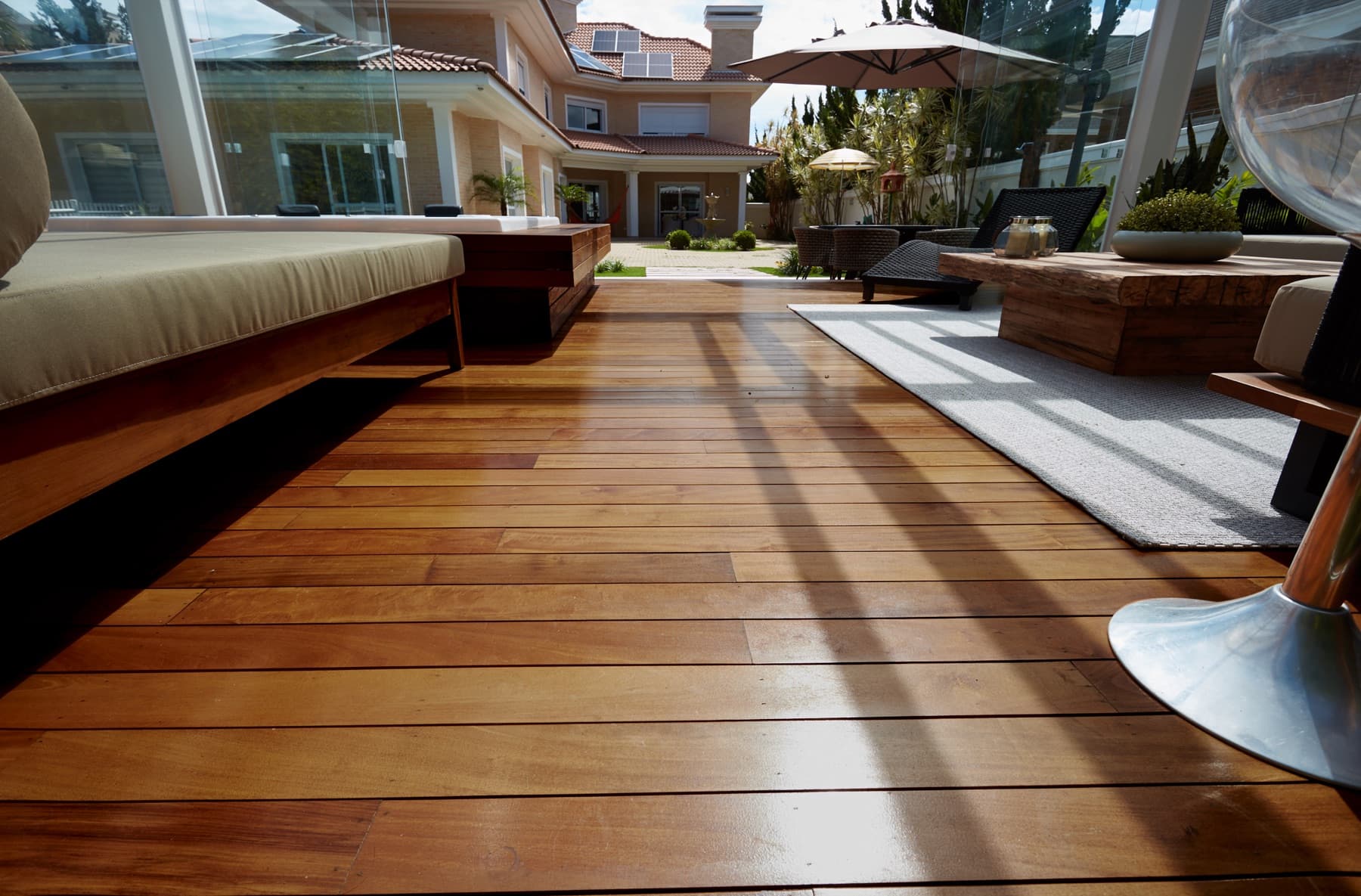
Assessing Your Existing Deck Frame for Hardwood Decking
Before selecting your new hardwood decking, a thorough inspection of your existing deck frame is essential. Hardwood decking species like Ipe and Cumaru are significantly denser and heavier than many common decking materials. This density translates to a higher dead load, which your existing joists, beams, and footings must be able to support.
Begin by checking for any signs of rot, insect damage, or structural instability in the ledger board, joists, beams, and support posts. Verify that the joist spacing is appropriate for the hardwood decking you plan to install. While many hardwoods can span wider joist gaps, confirming this against manufacturer specifications for your chosen board thickness is crucial. Any compromised elements must be repaired or replaced before new decking is installed to ensure safety and longevity.
Consider consulting a structural engineer or a qualified contractor for a professional assessment, especially if your deck is older or if you plan to significantly change the decking material type or size. They can confirm the frame's load-bearing capacity and recommend any necessary reinforcements to accommodate the weight of hardwood decking.
Choosing Hardwood Species: Ipe vs. Cumaru for Columbus Projects
Lumber Plus offers several Brazilian hardwood decking species, with Ipe and Cumaru being popular choices due to their exceptional durability and aesthetic appeal. Your decision will likely balance budget, desired appearance, and specific performance attributes.
Ipe, also known as Brazilian walnut, is often considered the benchmark for hardwood decking. Its color ranges from reddish-brown to olive-brown. For a deck in Columbus exposed to seasonal temperature fluctuations and moisture, Ipe's minimal post-installation movement and natural resistance are significant advantages. With proper care, Ipe can last for decades.
It is also resistant to termites and weather changes, making it a robust option for outdoor applications. Cumaru typically presents in warmer reddish-brown to golden-brown tones and can emit a subtle cinnamon-vanilla scent when worked. It provides similar benefits to Ipe in terms of longevity and resistance but often at a different price point.
Both species can weather to a silvery-gray patina if left untreated, or maintain their original color with regular application of a UV-blocking sealer. For Columbus projects, both Ipe and Cumaru are well-suited to withstand varying weather conditions, including winter exposure, without significant structural compromise.
When making your selection, consider how the natural color and grain pattern of each species will complement your home's exterior and landscaping. Reviewing samples in different lighting conditions can help visualize the final appearance.
Decking Profiles and Lengths: Planning Your Layout
Hardwood decking is available in various profiles and lengths, which are crucial considerations for your renovation project. Common profiles include standard flat boards for traditional face-fastening or grooved boards designed for hidden fastening systems. The choice of profile impacts both the installation method and the finished look of your deck.
Lengths typically range from 3 to 24 feet for species like Ipe. Planning your layout with available lengths helps minimize waste and reduce the number of butt joints. Conversely, a 10-foot deck might utilize 10-foot boards or a combination of shorter lengths with staggered joints.
When renovating, measure your deck's dimensions precisely. Consider the direction of your existing joists and how the new decking will be laid. Running boards perpendicular to the joists is standard, but diagonal patterns or picture-frame borders can add visual interest. These more complex layouts require additional material and careful planning for cuts and fastening points.
Fastening Systems for Hardwood Decking
The density of hardwood decking species like Ipe and Cumaru requires specific fastening methods. Standard screws or nails may not be sufficient or suitable for these materials, and pre-drilling is almost always necessary to prevent splitting.
Two primary fastening approaches are commonly used: face-fastening and hidden fastening.
Face-fastening involves screwing through the face of the board into the joists below. This method provides a strong, secure connection. Specialized stainless steel deck screws are recommended for hardwoods to resist corrosion and ensure long-term hold. While visible fasteners are a characteristic of this method, careful alignment and consistent spacing can create a tidy appearance.
Hidden fastening systems offer a smooth, fastener-free deck surface. These systems typically use clips or specialized fasteners that attach to the sides or underside of the decking boards, securing them to the joists. Hidden fasteners are often preferred for their aesthetic appeal but may require grooved decking profiles. Always verify the compatibility of your chosen hidden fastener system with the specific hardwood species and board dimensions you select.
Maintenance and Weathering for Columbus's Climate
Hardwood decking, particularly Ipe and Cumaru, is known for its low maintenance requirements compared to many other decking materials. However, understanding how these woods react to Columbus's climate and what maintenance tasks are involved is important for long-term satisfaction.
If left untreated, both Ipe and Cumaru will naturally weather to a soft, silvery-gray patina over time. This is a purely aesthetic change and does not compromise the structural integrity or durability of the wood. Many homeowners appreciate this weathered look, as it can blend beautifully with natural surroundings.
To preserve the original rich brown or reddish-brown color of your hardwood deck, annual application of a UV-blocking oil or sealer is recommended. This treatment helps protect the wood from the sun's rays and maintains its initial appearance. Beyond this, a simple annual cleaning with soap and water to remove dirt, pollen, and mildew is generally sufficient. For areas with higher humidity or shade in Columbus, more frequent cleaning might be beneficial to prevent mildew buildup.
Hardwood's natural oils provide resistance to cracking and warping, even with exposure to moisture and temperature shifts. This makes them suitable for climates with distinct seasons, like Columbus, where decks experience everything from summer sun to winter snow and ice.
Before you order
- Assess existing deck frame for structural integrity and joist spacing.
- Determine if current framing can support the weight of hardwood decking.
- Choose between Ipe, Cumaru, or other hardwood species based on aesthetics, durability, and budget.
- Select appropriate decking profiles (e.g., smooth, grooved) and board dimensions.
- Plan board lengths to minimize waste and butt joints.
- Decide on a fastening system: visible face-fastening or hidden fasteners.
- Confirm local building codes and obtain necessary permits for the renovation.
- Plan for ongoing maintenance to achieve desired weathered look or color retention.
- Request a material quote with exact project dimensions, preferred profile, and ZIP code.
- Confirm current availability and service options for your chosen hardwood decking.
Confirm installation details, approved uses and warranty terms in the current instructions for the exact product and profile. Your installer should verify the substrate, structure and applicable project requirements.
This is a planning guide for projects in Columbus, OH. Ask our team to confirm availability, delivery to your ZIP code and which branch can support your order.
Questions to help you decide
Can I install hardwood decking over my existing deck frame?
You can, but a thorough inspection of your existing frame is critical. Hardwood decking is denser and heavier than many other materials, so your joists, beams, and footings must be structurally sound and adequately spaced to support the increased load. It's recommended to have a professional assess the frame's condition and load-bearing capacity.
What is the difference between Ipe and Cumaru for a renovation project?
Both Ipe and Cumaru are highly durable tropical hardwoods suitable for renovation. Both offer excellent resistance to rot, insects, and weather, making them ideal for Columbus's climate. Your choice may depend on specific color preference and budget.
How do I maintain hardwood decking in Columbus's climate?
Hardwood decking is low maintenance. For a silvery-gray weathered look, simply clean annually with soap and water. To retain the original rich color, apply a UV-blocking oil or sealer annually. Both Ipe and Cumaru are naturally resistant to cracking and warping from temperature changes and moisture, making them suitable for the local climate.
Ready to Transform Your Columbus Deck?
Contact us today for a material quote. Provide your project dimensions, desired hardwood profile (e.g., 1x6 Ipe), and your ZIP code to confirm current availability and service options for your hardwood decking renovation.
Request a material quote →