Understanding Garapa Decking's Characteristics
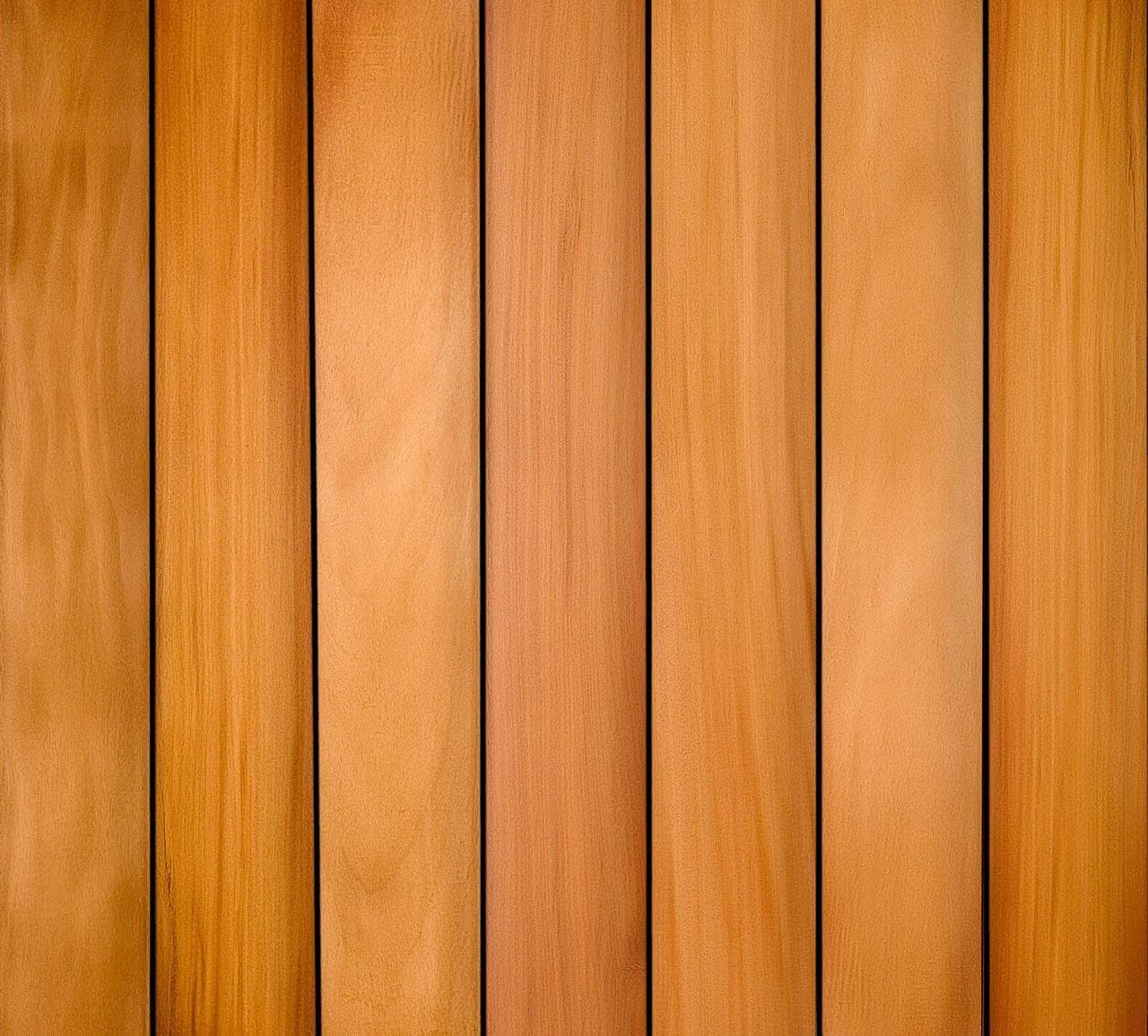
Garapa, also known as Brazilian Ash, is a tropical hardwood originating from Brazil. It is recognized for its consistent golden color, which can bring a warm and modern aesthetic to any exterior project. This natural hue is a primary reason many choose Garapa, as it can elevate the appearance of a terrace without requiring immediate staining to achieve a specific look.
Beyond its appearance, Garapa is valued for its durability. It has an air dry density of 4.11 lbs/bf and is naturally resistant to termites and changes in weather. This inherent resilience means it does not require constant chemical treatments to resist mold and decay, which can be a significant advantage for outdoor applications in areas like Columbus, OH, where weather patterns can vary seasonally. Garapa is also described as scratch and slip resistant, with minimal splintering, which contributes to its suitability for walking surfaces.
Lengths generally range from 3 to 24 feet, and the material is kiln-dried (KD) to help stabilize the wood before installation. These specifications are important for planning your terrace layout and estimating material quantities.
Terrace Design Considerations for Garapa Decking
A terrace project often involves specific design challenges, such as integrating with existing structures, managing drainage, and defining distinct zones for various activities. Garapa's golden color provides a versatile base that can complement a range of architectural styles and landscaping elements.
When designing with Garapa, consider the overall flow and function of your terrace. For example, a larger terrace might benefit from a consistent board width, such as the 1" x 5.5" profile, laid in a linear pattern to create a sense of expansiveness. For smaller or more intricate terraces, careful planning of board lengths can minimize waste and create a tailored look. The natural golden tone of Garapa can be maintained with appropriate finishing products, or allowed to weather naturally to a silver-gray patina over time, offering design flexibility.
Planning Your Terrace Layout: A Worked Example
Let's consider a hypothetical terrace project in Columbus, OH, measuring 12 feet by 10 feet, requiring a new decking surface. The goal is to create a seamless look with minimal visible fasteners. We will use Garapa decking boards with a nominal size of 5/4"x6" (actual 1" x 5.5").
First, calculate the total area: 12 ft * 10 ft = 120 square feet. Each 5/4"x6" board has an actual width of 5.5 inches (0.4583 feet). To determine the number of boards needed for the 10-foot width, we divide 10 feet by 0.4583 feet per board, which equals approximately 21.8 boards.
If we plan to use 12-foot long boards, then for each 12-foot length, we need 22 boards. Therefore, 22 boards * 12 linear feet/board = 264 linear feet. However, due to cuts and potential waste, it is advisable to add a waste factor, typically 10-15%. For this example, let's use 10%: 264 linear feet * 1.10 = 290.4 linear feet. Boards are available in various lengths (e.g., 3-24 ft), so you would optimize your order based on available stock and your cut plan to minimize waste. For a 12x10 terrace, using 12-foot boards running along the 12-foot dimension means approximately 22 individual 12-foot boards are needed, totaling 264 linear feet. When ordering, consider purchasing a few extra boards to account for any cuts, minor defects, or future repairs. This example assumes a simple linear layout; more complex designs like diagonals or picture frames will require more detailed calculations and potentially higher waste factors.
Material Selection and Profiles
Garapa decking is available in specific profiles, primarily 5/4"x6" (actual 1" x 5.5"), with a choice between smooth and grooved edges. The grooved option is designed to work with hidden fastening systems, which can provide a clean, fastener-free surface appearance, often preferred for modern terrace designs. Smooth-edge boards are typically used for face-fastening installations, where screws are visible from the surface, or for custom milling.
When making your selection, consider how the fastening method will impact both the aesthetics and the installation process. Hidden fasteners can offer a refined look but may require more precise installation. Face-fastening is often simpler and can be done with stainless steel deck screws, which are resistant to corrosion and suitable for outdoor use. The choice should align with your desired visual outcome and the installer's expertise.
It's also important to confirm the drying method; kiln-dried (KD) Garapa is generally more stable than air-dried lumber, which can help reduce movement after installation. This stability is particularly beneficial in environments with fluctuating humidity, such as Columbus, OH.
Finishing and Maintenance for Your Garapa Terrace
Garapa's natural golden color can be preserved or allowed to change over time. If you prefer to maintain the golden hue, applying a UV-inhibiting oil finish is typically recommended. This finish helps protect the wood from the sun's rays, which can cause the wood to gray over time. Regular reapplication, as specified by the product manufacturer, will be necessary.
Alternatively, Garapa can be allowed to weather naturally, developing a silvery-gray patina. This process does not diminish the wood's inherent durability or resistance to rot, decay, and insects. The choice between maintaining the golden color and allowing it to weather is a personal aesthetic decision that should be made before or during installation planning.
Regardless of the finishing choice, routine cleaning is beneficial for any outdoor decking. Sweeping debris, washing with water and a mild cleaner, and ensuring proper drainage can help keep your Garapa terrace in good condition. Garapa is naturally resistant to mold and decay, reducing the need for harsh chemical treatments, but good practices still contribute to its longevity.
Before you order
- Determine the exact dimensions of your terrace project.
- Decide on the desired aesthetic: golden tone maintained or natural silver-gray patina?
- Choose between grooved boards for hidden fasteners or smooth boards for face-fastening.
- Calculate the required linear footage, adding a waste factor (e.g., 10-15%).
- Consider complementary materials for railings, steps, or borders.
- Plan for proper ventilation and drainage beneath the deck surface.
- Identify any specific installation requirements or challenges for your site.
- Prepare a detailed list of materials for an accurate quote.
Confirm installation details, approved uses and warranty terms in the current instructions for the exact product and profile. Your installer should verify the substrate, structure and applicable project requirements.
This is a planning guide for projects in Columbus, OH. Ask our team to confirm availability, delivery to your ZIP code and which branch can support your order.
Questions to help you decide
What is the typical lifespan of Garapa decking?
This durability contributes to its suitability for long-term outdoor use.
Does Garapa decking require special maintenance?
Garapa does not require constant chemical treatments to resist mold and decay. To maintain its golden color, a UV-inhibiting oil finish can be applied and periodically reapplied. If left untreated, it will naturally weather to a silver-gray patina.
Is Garapa decking suitable for high-traffic terrace areas?
Garapa is described as scratch and slip resistant, with minimal splintering, which makes it a practical choice for terrace areas that experience regular foot traffic. Its natural durability also supports its use in active outdoor spaces.
Ready to Plan Your Garapa Terrace in Columbus, OH?
Request a material quote today. Provide your project dimensions, desired Garapa profile (e.g., 5/4"x6" grooved or smooth), and your project ZIP code to confirm current availability and service options for your Columbus, OH terrace project.
Request a material quote →