Why Ipe Decking for Courtyard Outdoor Rooms?
Ipe, also known as Brazilian walnut, is a dense hardwood recognized for its durability and natural resistance to rot, insects, and mold. These properties make it a suitable choice for outdoor applications, including courtyard decking, where exposure to moisture and potential shading might otherwise be concerns. Its inherent qualities reduce the need for chemical treatments, aligning with preferences for natural materials.
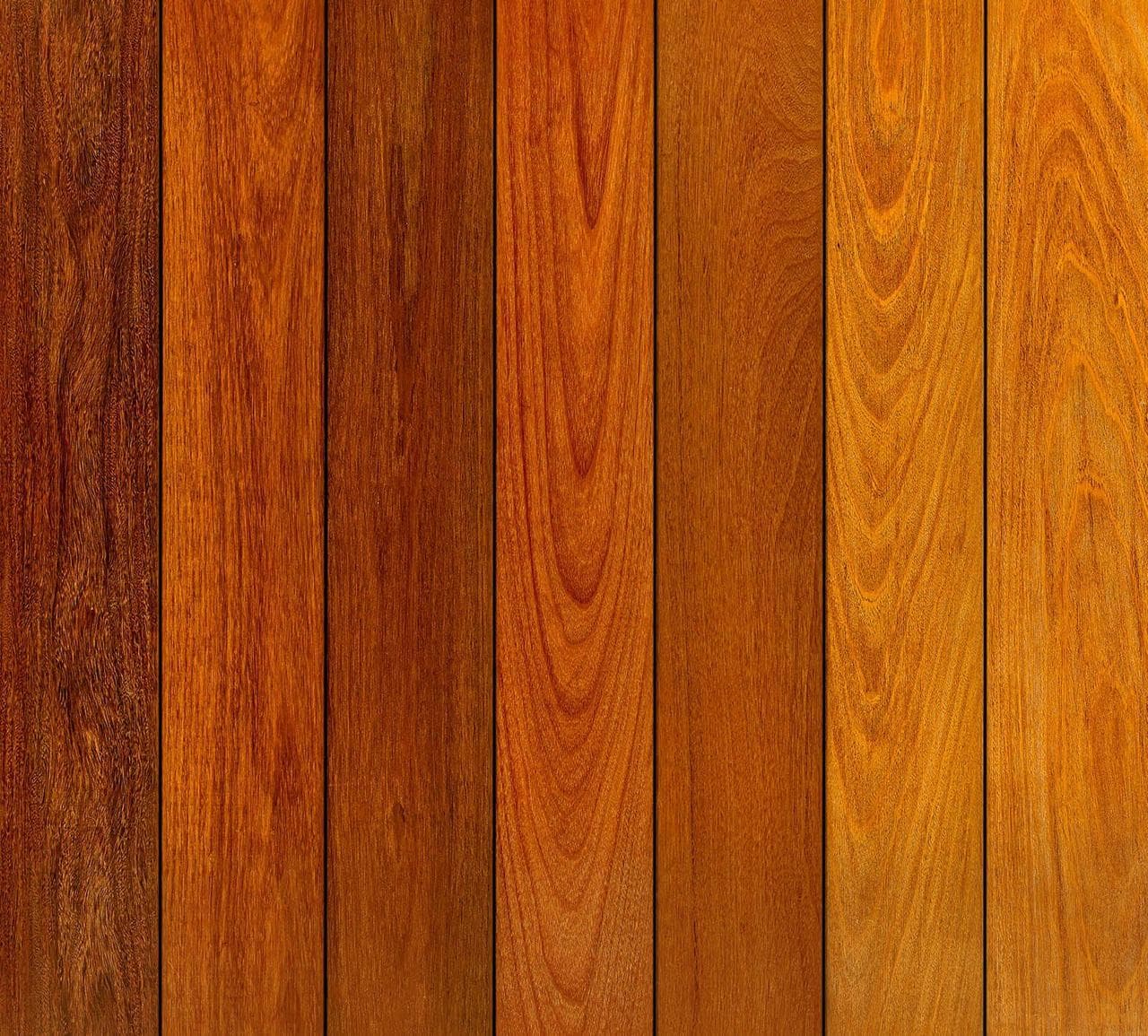
The reddish-brown to olive-brown tones of Ipe provide a rich, luxurious aesthetic that can elevate the visual appeal of a courtyard. This natural color can be maintained with a UV-blocking sealer or allowed to weather to a silvery-gray patina, offering design flexibility to match different courtyard styles. Ipe's minimal movement post-installation contributes to a stable and consistent surface, a valuable trait in compact, high-traffic outdoor rooms.
Ipe is available in various profiles and sizes, including dimensions from 1"x2" through 6"x6" and lengths from 3 to 24 feet. This range allows for flexibility in design, whether you are creating a simple platform or a more intricate pattern within your courtyard space. The material's density means it can handle the wear and tear of frequent use, making it practical for a primary outdoor gathering area. It is important to confirm the specific availability of profiles and lengths for your project.
Planning Your Courtyard Deck: A Worked Example
Consider a hypothetical Charleston, WV courtyard measuring 12 feet by 10 feet, intended as an outdoor dining and relaxation area. The goal is to create a durable, low-maintenance deck that complements the surrounding architecture. We'll use 1x6 (actual dimensions approximately 3/4" x 5 1/2") Ipe decking boards, which are a common profile for residential decks.
First, calculate the total area: 12 feet x 10 feet = 120 square feet. For decking, it's often practical to add a waste factor of 10-15% for cuts, especially for complex layouts or if precise board matching is desired. For a straightforward layout, let's use 10% waste, bringing the total estimated coverage to 132 square feet.
Next, determine the linear footage needed. A 1x6 board covers approximately 0.458 square feet per linear foot (5.5 inches / 12 inches per foot = 0.458). To cover 132 square feet, you would need approximately 132 / 0.458 = 288.2 linear feet of Ipe. Since boards come in specific lengths (e.g., 8, 10, 12, 14, 16 feet), you would select a mix of lengths to minimize waste. For example, you might order 12-foot and 10-foot boards to fit the 12-foot dimension, allowing for a clean run across the 10-foot width.
For a 12-foot width, you would need approximately 12 feet / 5.5 inches per board = 26.18 boards across. Rounded up, this means 27 boards to cover the width. If the deck is 10 feet deep, and you lay the boards parallel to the 10-foot depth, each run would be 10 feet long. Thus, 27 boards * 10 feet/board = 270 linear feet. Adding the 10% waste factor would bring it to 297 linear feet. This demonstrates how considering the layout and board dimensions can refine your material estimate.
This example assumes a standard spacing. Always verify the actual dimensions of the Ipe boards and the recommended spacing from the supplier for precise calculations. Also, consider the framing and substructure materials, which are separate from the decking itself.
Material Selection: Profiles and Finishes
Ipe decking is available in several profiles, including square-edge and grooved boards. Square-edge boards are typically face-fastened, while grooved boards are designed for hidden fastening systems, which can provide a cleaner, uninterrupted surface. For a courtyard outdoor room, a hidden fastening system might be preferred for a sleek look, but this decision should be balanced with installation considerations and cost.
The natural color of Ipe ranges from reddish-brown to olive-brown. If you wish to maintain this rich color, a UV-blocking sealer should be applied. Without treatment, Ipe will naturally weather to a soft silvery-gray patina over time. Both appearances are valid design choices; the decision depends on your aesthetic preference and willingness to perform periodic sealing. For a courtyard, where the deck might be partially shaded, the weathering process could be uneven if not consistently maintained or allowed to fully weather.
Maintenance and Longevity in Charleston's Climate
Ipe is known for its low maintenance requirements compared to many other wood species. Its natural oils protect it from cracking or warping, even with exposure to weather changes. In Charleston, WV, where humidity and seasonal variations occur, Ipe's resistance to moisture and its stability are advantageous for outdoor decking.
While Ipe can last for decades with proper care, occasional cleaning is recommended to remove dirt, pollen, and mildew that can accumulate in a courtyard setting. If you choose to preserve its original color, re-application of a UV-blocking sealer will be necessary, typically annually or biennially, depending on exposure and product instructions. If you prefer the weathered gray, minimal maintenance beyond cleaning is generally needed.
It's important to note that Ipe's density requires specific tools and techniques for installation, including pre-drilling for fasteners. While possible for experienced DIYers, professional installation is often recommended to ensure proper technique and longevity of the deck.
Project Logistics and Complementary Materials
When planning your Ipe decking project in Charleston, WV, consider the logistics of material delivery and storage. Ipe is a heavy material, so ensure you have adequate space for delivery and proper storage on-site, protected from the elements, prior to installation. Proper acclimation of the wood to the local climate before installation can help minimize movement.
Think about how the Ipe deck will integrate with other courtyard elements. Will it abut a paved patio, a garden bed, or a structure? Consider using Ipe for other features such as benches or planters to create a cohesive look. For substructure, pressure-treated lumber or steel framing are common choices that provide a stable and long-lasting base for your Ipe deck.
Complementary products for your Ipe deck might include high-quality stainless steel fasteners (for face-fastening) or a compatible hidden fastening system. For finishing, consider reputable UV-blocking deck oils if you wish to maintain the rich color. Explore options like our selection of decking screws and clips or our range of deck stains and sealers to complete your project.
Before you order
- Determine the exact dimensions of your courtyard outdoor room.
- Decide on the desired finished appearance: natural weathered gray or maintained original color.
- Select the Ipe decking profile (square-edge or grooved) based on fastening preference.
- Calculate the linear footage of Ipe boards needed, including a waste factor.
- Plan for substructure materials and verify compatibility with Ipe.
- Consider complementary materials like fasteners, sealers, and trim.
- Arrange for professional installation due to Ipe's density and specific requirements.
- Plan for material delivery and on-site storage conditions.
Confirm installation details, approved uses and warranty terms in the current instructions for the exact product and profile. Your installer should verify the substrate, structure and applicable project requirements.
This is a planning guide for projects in Charleston, WV. Ask our team to confirm availability, delivery to your ZIP code and which branch can support your order.
Questions to help you decide
How does Ipe decking perform in Charleston, WV's climate?
Ipe decking is highly resistant to weather changes, including the humidity and temperature fluctuations common in Charleston, WV. Its natural oils help protect it from cracking or warping, and it resists rot, mold, and insects, making it a durable choice for outdoor use in the region. With proper care, it maintains its integrity well.
What maintenance does Ipe decking require in a courtyard setting?
Ipe wood is considered low maintenance. If you prefer its original reddish-brown to olive-brown color, applying a UV-blocking sealer periodically (typically annually or biennially) is recommended. If left untreated, Ipe will naturally weather to a silvery-gray patina, requiring only occasional cleaning to remove dirt and debris.
Can I install Ipe decking myself for a courtyard project?
While it is possible for experienced DIY enthusiasts, Ipe's density requires specialized tools and techniques for installation, such as pre-drilling for fasteners. Professional installation is generally recommended to ensure correct procedures are followed, which contributes to the deck's longevity and appearance.
Ready to Transform Your Courtyard with Ipe Decking?
Request a material quote with your project dimensions, desired Ipe profile, and ZIP code to confirm current availability and service options for your Charleston, WV project.
Request a material quote →