Understanding Garapa Hardwood for Terrace Applications
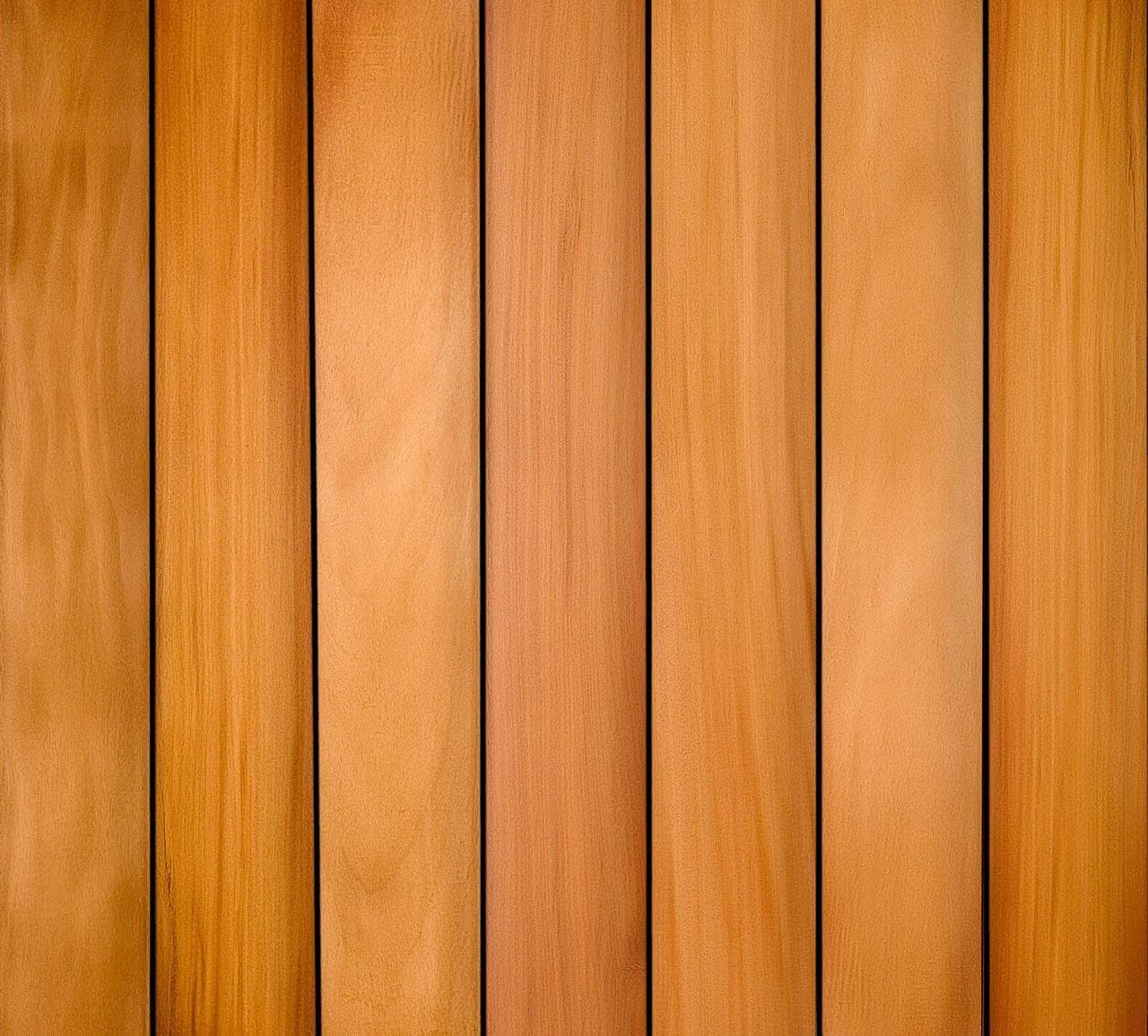
Garapa (Apuleia leiocarpa), often known as Brazilian Ash, is a tropical hardwood recognized for its distinctive golden color. This natural hue can bring warmth and a modern aesthetic to any terrace, complementing various architectural styles. Beyond its visual appeal, Garapa is valued for its inherent resistance to environmental factors.
It is classified as very durable, naturally resistant to termites and general weather changes. This natural resilience means it doesn't typically require extensive chemical treatments to withstand mold and decay. With an air dry density of 4.11 lbs/bf, Garapa offers a solid foundation for outdoor living spaces.
Garapa is also noted for being scratch and slip resistant, with minimal splintering, which are practical benefits for a high-traffic area like a terrace. These attributes contribute to a more comfortable and safer surface for everyday use. When considering materials for your Charleston, WV terrace, these characteristics position Garapa as a strong candidate.
Terrace Design Decision: Integrating Diverse Zones
A key decision in terrace design is how to define and integrate different functional zones within a single space. Rather than a monolithic deck, a terrace often benefits from distinct areas for dining, lounging, or even a small garden. Garapa decking can serve as a unifying element while accommodating these varied uses through thoughtful layout and complementary materials.
Consider a terrace where a primary dining area transitions into a more relaxed lounging space. Using the same Garapa decking throughout provides continuity, but changes in board direction or the introduction of accent elements like planters or pergolas can delineate zones. For instance, laying boards perpendicularly in one area and parallel in another can subtly define separate functions without physical barriers. This approach allows for flexibility in use while maintaining a cohesive look.
Garapa Decking Profiles and Sizes for Terrace Projects
Garapa decking is typically available in specific profiles suitable for outdoor construction. The most common profile is 5/4"x6", which translates to an actual dimension of 1" x 5.5". This size offers a substantial board that is well-suited for the structural demands of a terrace while providing a pleasing visual scale.
Some Garapa decking may also be available with a grooved option. This feature is often compatible with specific hidden fastening systems, which can provide a clean, fastener-free surface. Board lengths typically range from 3 to 24 feet, offering flexibility for minimizing seams and accommodating various terrace dimensions. All Garapa decking from Lumber Plus is Kiln Dried (KD), which helps to ensure stability and consistent moisture content upon delivery.
When planning your terrace, consider how these available dimensions will impact your layout. Longer boards can reduce the number of butt joints, leading to a smoother appearance, while the standard width allows for efficient coverage. Discussing your desired layout with your supplier can help determine the most efficient board lengths for your specific project.
Worked Example: Designing a Multi-Zone Terrace with Garapa
Let's consider a hypothetical terrace project in Charleston, WV, measuring 15 feet by 20 feet (300 square feet) with two distinct zones: a dining area (10 ft x 10 ft) and a lounging area (10 ft x 10 ft), separated by a 5-foot wide walkway.
For the dining area, we plan to lay the decking boards parallel to the 10-foot side, meaning each board will be 10 feet long. For the lounging area, we'll lay them parallel to the other 10-foot side. The walkway will feature boards running perpendicular to the main zones. This creates visual interest and subtly defines the spaces.
Dining Area (10 ft x 10 ft): Boards run 10 ft long. Number of 5.5" wide boards needed = (10 ft * 12 in/ft) / 5.5 in/board = 120 / 5.5 21.8 boards. We'll round up to 22 boards. Since boards are available in 10 ft lengths, we'd need 22 x 10 ft boards.
Lounging Area (10 ft x 10 ft): Boards run 10 ft long. Similarly, 22 x 10 ft boards.
Walkway (5 ft x 20 ft): Boards run 5 ft long. Number of 5.5" wide boards needed = (20 ft * 12 in/ft) / 5.5 in/board = 240 / 5.5 43.6 boards. We'll round up to 44 boards. Since boards are available in 5 ft lengths, we'd need 44 x 5 ft boards.
Total estimated boards: 22 (10ft) + 22 (10ft) + 44 (5ft) = 88 boards. This calculation assumes minimal waste and ideal board lengths. In practice, it's advisable to add 10-15% for cuts, waste, and future repairs. For this project, purchasing an additional 9-13 boards would be prudent, adjusting for available lengths.
This example illustrates how varying board directions can delineate zones within a continuous Garapa surface. Always confirm actual board lengths available and factor in a waste percentage for accurate ordering. For Charleston, WV projects, consider the region's climate when planning any necessary gaps between boards for drainage and expansion.
Maintenance and Longevity of Garapa Decking
Garapa is known for its relatively low maintenance requirements compared to some other decking materials. Its natural resistance to rot, decay, and insects reduces the need for constant chemical treatments. Over time, like all natural hardwoods exposed to UV light, Garapa will gradually lighten and silver if left untreated. This natural graying process is purely aesthetic and does not typically affect the wood's durability.
If you prefer to maintain Garapa's golden color, periodic application of a UV-inhibiting oil finish is recommended. The frequency of reapplication will depend on the specific product used and the terrace's exposure to sun and weather. Regular cleaning to remove dirt, leaves, and other debris will help prevent mildew growth and keep the surface looking its best. For projects in Charleston, WV, where seasonal changes can bring varied weather, consistent cleaning is a practical step.
For specific maintenance instructions, always refer to the manufacturer's guidelines for your chosen finishing products. Proper care helps preserve the beauty and extends the life of your Garapa terrace.
Before you order
- Determine the primary functions and desired zones for your terrace (e.g., dining, lounging, circulation).
- Measure your terrace dimensions accurately, including any irregular shapes or transitions.
- Consider the visual impact of board direction and how it can define different areas.
- Decide whether to maintain Garapa's golden tone with a finish or allow it to naturally silver.
- Research compatible fastening systems (face-fastened or hidden fasteners if using grooved boards).
- Account for necessary waste factor (10-15%) in your material calculations.
- Plan for proper ventilation beneath the deck surface, especially in humid conditions.
- Identify any complementary materials for railings, pergolas, or planters.
- Confirm local building codes and regulations for deck construction in Charleston, WV.
Confirm installation details, approved uses and warranty terms in the current instructions for the exact product and profile. Your installer should verify the substrate, structure and applicable project requirements.
This is a planning guide for projects in Charleston, WV. Ask our team to confirm availability, delivery to your ZIP code and which branch can support your order.
Questions to help you decide
How does Garapa's golden color hold up over time on a terrace?
Garapa has a natural golden color. If left untreated and exposed to the elements, it will gradually weather to a soft, silvery-gray patina, a common characteristic of many hardwoods. To maintain the original golden hue, periodic application of a UV-inhibiting oil finish is necessary. The frequency depends on sun exposure and the specific product used.
Is Garapa decking suitable for all types of terrace foundations?
Garapa decking boards themselves are not structural elements. They must be installed on a properly constructed and code-compliant substructure (joists, beams, footings) that is designed for the intended load and local conditions. Always ensure your terrace foundation is sound and appropriate for the decking material before installation.
What are the advantages of using Garapa for a terrace project compared to other hardwoods?
Garapa offers a combination of natural durability, resistance to rot and insects, and a distinctive golden color. Compared to some other tropical hardwoods, it is often seen as a great value option, providing similar benefits at a different price point.
Ready to Plan Your Garapa Terrace in Charleston, WV?
Request a material quote for Garapa decking for your project. Provide your project dimensions, desired board profile (e.g., 5/4"x6" grooved or non-grooved), and your ZIP code to confirm current availability and service options. Our team can assist you in selecting the right quantities for your terrace design.
Request a material quote →