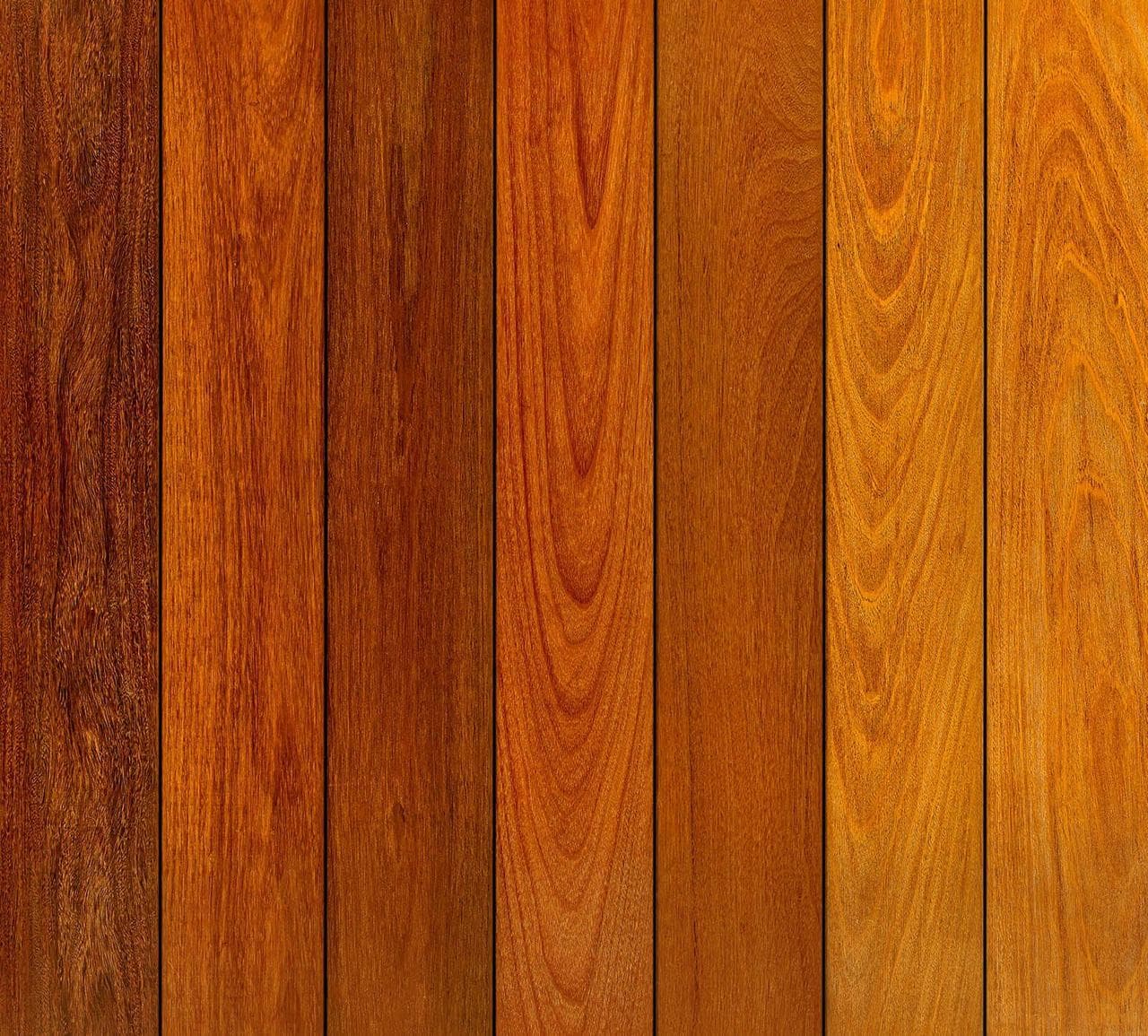
Why Choose Ipe for Your Cape May Courtyard?
Cape May's coastal environment, with its salt air and varying humidity, demands materials that can endure without significant degradation. Ipe decking is recognized for its natural resilience, making it a practical choice for outdoor applications in such settings. Its inherent density contributes to its stability, helping it resist warping or cracking even with exposure to moisture and temperature fluctuations.
Beyond its durability, Ipe offers an aesthetic that can enhance a courtyard's design. Its color spectrum, ranging from reddish-brown to olive-brown, provides a rich, natural base that can complement various architectural styles and landscaping elements. This visual appeal, combined with its resistance to mold and termites, makes Ipe a material that can maintain its character over time with appropriate care.
Choosing Ipe for a courtyard means investing in a material known for its longevity and low maintenance requirements. While all outdoor materials benefit from some attention, Ipe's natural properties reduce the need for extensive chemical treatments to protect against common outdoor stressors. This can be a benefit for homeowners seeking a beautiful outdoor space that requires minimal intervention to preserve its appearance.
Understanding Ipe Decking Profiles and Sizes
Ipe decking is available in a range of profiles and sizes, which impact both the aesthetics and structural considerations of your courtyard deck. Common dimensions include various board widths and thicknesses, such as 1x4, 1x6, 5/4x4, and 5/4x6. The "1x" and "5/4x" designations refer to nominal thickness, with actual dimensions being slightly smaller after milling. For example, a nominal 1x6 board typically measures around 3/4 inch thick by 5.5 inches wide.
Square-edge boards are often used for face-fastened applications, where screws are driven through the face of the board into the joists below. Grooved-edge boards are designed for hidden fastening systems, which create a smooth, fastener-free surface. The choice between these profiles often comes down to desired visual outcome and installation method. Longer board lengths, available from 3 to 24 feet, can minimize seams and create a more continuous appearance across larger courtyard areas.
When selecting profiles, consider the scale of your courtyard and the intended use of the deck. Wider boards can create a more expansive feel, while narrower boards might be suitable for intricate patterns or smaller spaces. Always confirm the exact dimensions and profiles available for your project to ensure they meet your design and structural requirements.
Planning Your Courtyard Deck: A Worked Example
Let's consider a hypothetical courtyard measuring 12 feet by 10 feet, where the goal is to create a raised deck for an outdoor dining area. For this example, we will use nominal 1x6 Ipe decking boards, which have an actual dimension of approximately 0.75 inches thick by 5.5 inches wide.
First, calculate the total deck surface area: 12 ft x 10 ft = 120 square feet. To determine the number of boards needed, we'll consider the coverage of each board. If we use 12-foot long boards, each board covers 5.5 inches / 12 inches/foot = 0.458 feet in width. So, one 12-foot board covers 0.458 ft * 12 ft = 5.5 square feet. Dividing the total area by the coverage per board (120 sq ft / 5.5 sq ft/board) gives approximately 21.8 boards. Since boards are purchased in full lengths, rounding up to 22 boards (12 feet long) would be a starting point. It is always prudent to add 10-15% for cuts, waste, and future repairs, bringing the total to about 24-25 boards.
For a different approach, consider the number of boards needed across the 10-foot width. With 5.5-inch wide boards, you'd need 10 feet / (5.5 inches / 12 inches/foot) = 10 / 0.458 = approximately 21.8 boards. Rounding up to 22 boards across, each 12 feet long, yields 22 boards * 12 feet/board = 264 linear feet. Again, adding waste factor to this linear footage is recommended. This example illustrates that precise measurements and a detailed layout plan are crucial to accurately determine the quantity of Ipe decking required, minimizing waste and ensuring sufficient material for the project.
Installation Considerations for Ipe Decking
Installing Ipe decking requires attention to detail due to its density and hardness. Pre-drilling is typically necessary for fasteners to prevent splitting, even when using specialized screws. The type of fastener—whether face-fastened or hidden—will also influence the installation process and the final appearance of your deck.
Proper ventilation beneath the deck is essential, particularly in a contained courtyard environment. Adequate airflow helps to manage moisture and reduce the risk of mold or mildew, contributing to the longevity of the deck. This is especially important in coastal areas where humidity levels can be higher. Ensuring sufficient spacing between deck boards is also critical for drainage and air circulation.
Working with Ipe may require specific tools, such as carbide-tipped saw blades, due to its hardness. Professional installation is often recommended for Ipe decking to ensure correct techniques are applied, leading to a durable and visually pleasing result. Factors like joist spacing, ledger board attachment, and edge detailing should all be carefully planned and executed.
Maintenance and Weathering in Coastal Environments
Ipe decking is known for its low maintenance, but understanding its weathering process and care requirements is important for a Cape May courtyard. If left untreated, Ipe will naturally weather to a silvery-gray patina over time. This process is purely aesthetic and does not diminish the wood's structural integrity or durability. Many homeowners find this weathered look desirable and choose to let their Ipe deck age naturally.
For those who prefer to maintain Ipe's original rich reddish-brown to olive-brown color, regular application of a UV-blocking oil or sealer is recommended. This treatment helps protect the wood from the sun's rays, which cause the graying effect. The frequency of reapplication depends on local sun exposure and product instructions, but typically ranges from once every 6-12 months for optimal color retention.
Routine cleaning, such as sweeping and occasional washing with a mild cleaner and water, will help remove dirt, salt, and debris that can accumulate in a coastal courtyard. It is important to avoid harsh chemicals or pressure washing at very high settings, as these can damage the wood surface. Adhering to manufacturer guidelines for cleaning and finishing products will help preserve the appearance and extend the life of your Ipe deck in the Cape May climate.
Before you order
- Confirm desired Ipe decking profile (e.g., 1x6, 5/4x4) and edge type (square or grooved).
- Measure courtyard dimensions accurately for area calculation and board length planning.
- Determine preferred aesthetic: natural silver-gray patina or oiled original color.
- Investigate local building codes and HOA guidelines for deck height, setbacks, and materials.
- Plan for adequate ventilation beneath the deck, especially in a contained courtyard.
- Consider the type of fastening system (face-fastened or hidden) and associated installation needs.
- Budget for professional installation due to Ipe's density and specialized tool requirements.
- Research suitable UV-blocking oils or sealers if maintaining the original color is desired.
- Identify a maintenance schedule for cleaning and, if applicable, reapplication of finish.
- Verify lead times and delivery logistics for Ipe decking to your Cape May project site.
Confirm installation details, approved uses and warranty terms in the current instructions for the exact product and profile. Your installer should verify the substrate, structure and applicable project requirements.
This is a planning guide for projects in Cape May, NJ. Ask our team to confirm availability, delivery to your ZIP code and which branch can support your order.
Questions to help you decide
How does Ipe decking perform in Cape May's coastal climate?
Ipe decking is highly suitable for coastal climates like Cape May's. Its natural density and oil content provide resistance to salt air, moisture, and temperature fluctuations, helping it resist warping, cracking, and decay. While it will weather to a silvery-gray if left untreated, its structural integrity remains strong.
What maintenance does Ipe decking require in a courtyard setting?
Ipe is considered low maintenance. If you prefer the natural silver-gray patina, only periodic cleaning to remove dirt and debris is needed. To retain its original reddish-brown to olive-brown color, a UV-blocking oil or sealer should be applied, typically annually, depending on sun exposure and product instructions.
Can I install Ipe decking myself, or is professional installation recommended?
While it is possible to install Ipe decking yourself, professional installation is generally recommended. Ipe's extreme density requires specialized tools and techniques, such as pre-drilling for fasteners, to ensure a proper and durable installation. Professionals can also navigate specific site challenges common to courtyard projects.
Start Planning Your Ipe Courtyard Deck
Ready to enhance your Cape May courtyard with durable Ipe decking? Request a material quote today by providing your project dimensions, desired Ipe profile, and ZIP code. We can confirm current availability and service options for your area. Explore our full range of Ipe decking products and complementary materials at our main decking page: [Ipe Decking](/decking/hardwood/ipe), [Decking](/decking), [Hardwood Decking](/decking/hardwood), [Composite Decking](/decking/composite), [PVC Decking](/decking/pvc).
Request a material quote →