Why Ipe for a Courtyard Outdoor Room?
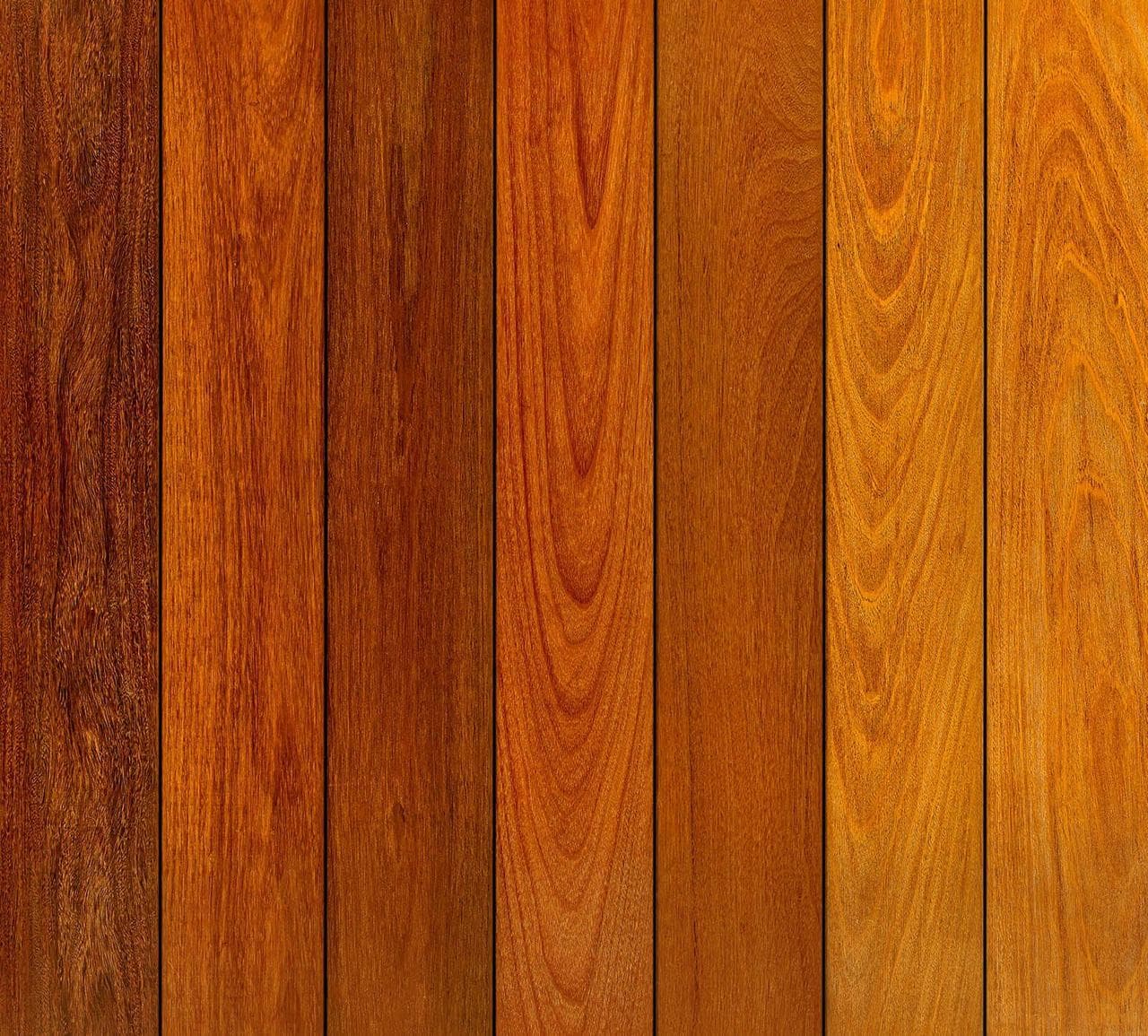
Ipe wood, also known as Brazilian walnut, is a dense hardwood recognized for its durability and resistance to various environmental factors. For a courtyard outdoor room, these properties translate into a deck surface that can withstand foot traffic and exposure while maintaining its structural integrity. Its natural resistance to rot, insects, and mold means it requires minimal chemical treatment, aligning with preferences for natural materials. The wood's coloration, ranging from reddish-brown to olive-brown, can add a luxurious aesthetic to any outdoor setting.
Courtyards often have specific microclimates, potentially experiencing less direct sun or more sheltered conditions than an open deck. Ipe's inherent resistance to warping after moisture exposure and its natural oils help protect it from cracking, which can be beneficial in these varied conditions. Opting for Ipe allows for a long-term investment in your outdoor living space.
Ipe is available in a variety of profiles and sizes, including dimensions from 1"x2" through 6"x6" and lengths from 3 to 24 feet, offering flexibility for design and construction in a courtyard setting. This range supports diverse design ideas, from simple platforms to more intricate patterns.
Planning Your Courtyard Deck Layout
Before selecting Ipe boards, measure your courtyard space accurately. Consider the primary function of your outdoor room: will it be a dining area, a lounge, or a transition space? This will influence the deck's dimensions and any features like built-in seating or planters. Courtyards, by definition, are often enclosed or semi-enclosed, which can affect air circulation and sun exposure. Plan for adequate ventilation beneath the deck to prevent moisture buildup, which is crucial for any decking material, even Ipe.
A common approach for courtyard decks is to use standard board widths, such as 1x4 or 1x6, to create a consistent pattern. For a hypothetical 10-foot by 12-foot courtyard deck, you might consider a straight lay pattern. If using 1x6 (actual dimension approximately 5.5 inches wide) boards, you would need approximately 26 boards for the 12-foot length (12 feet * 12 inches/foot / 5.5 inches/board = 26.18 boards). For a 10-foot length, you would need 22 boards. This simple calculation provides a starting point; always factor in waste for cuts and a small surplus.
Consider the direction of the boards relative to your home's entrance or main viewing angle to enhance the visual flow. For a courtyard that connects directly to an interior room, extending the board direction can blur the lines between indoor and outdoor spaces. For projects in Bismarck, consider how snow accumulation and melt will interact with the deck's drainage and foundation.
Choosing Ipe Profiles and Finishes
Ipe decking is typically available in square-edge or grooved profiles. Square-edge boards are face-fastened, while grooved boards are designed for hidden fastening systems. The choice depends on your aesthetic preference and installation method. For a sleek, uninterrupted surface, hidden fasteners with grooved boards are often preferred. If you appreciate the visible fastener pattern, square-edge boards with appropriate stainless steel screws are an option.
Regarding finish, Ipe can be left untreated to weather to a silvery-gray patina, or it can be treated with a UV-blocking sealer to maintain its original reddish-brown to olive-brown color. The decision on finishing should consider your desired aesthetic and the level of maintenance you are willing to commit. For courtyard spaces, which might be partially shaded, the weathering process can be more gradual or uneven if not consistently exposed to sunlight. An occasional cleaning and sealing can help preserve its appearance and extend its life.
Installation Considerations for Bismarck Courtyards
Due to Ipe's density, professional installation is recommended, as it requires specialized tools and techniques. Ensuring proper ventilation beneath the deck is critical in any climate, especially where moisture can accumulate. For Bismarck, consider the impact of winter conditions and spring thaws on drainage and sub-structure. A well-designed substructure that allows for air circulation will contribute to the longevity of your Ipe deck.
Fastening Ipe requires pre-drilling pilot holes to prevent splitting. If using face fasteners, stainless steel screws are generally recommended for their corrosion resistance. For hidden fasteners, verify compatibility with Ipe's density and the specific grooved profile. Always adhere to the manufacturer's recommended spacing between boards to allow for natural expansion and contraction, which is minimal for Ipe post-installation.
Maintenance for Ipe Decking in North Dakota
Ipe wood is considered low maintenance, but occasional sealing and cleaning will help preserve its natural beauty. If you choose to maintain the original color, apply a UV-blocking sealer as needed, typically annually or bi-annually depending on exposure. For a weathered look, regular cleaning to remove dirt and debris is usually sufficient. In Bismarck's climate, address any snow and ice accumulation carefully to avoid damage to the deck surface. Avoid using harsh chemicals or abrasive tools for cleaning, which can strip the natural oils or scratch the surface.
Regular inspection for any loose fasteners or signs of wear can help address minor issues before they become larger problems. While Ipe is naturally resistant to mold and termites, keeping the deck surface clean and dry contributes to its long-term performance.
Before you order
- Determine the primary function of your courtyard outdoor room.
- Measure the exact dimensions of your courtyard space.
- Consider the desired aesthetic: natural silvery-gray patina or maintained original color.
- Select Ipe board profile: square-edge for face fastening or grooved for hidden fasteners.
- Plan for adequate ventilation beneath the deck.
- Factor in waste for cuts and order a small surplus of boards.
- Confirm desired board lengths and widths for your layout.
- Research local installation expertise for dense hardwoods like Ipe.
- Plan for ongoing maintenance, whether for a natural or oiled finish.
- Request a material quote with exact dimensions, preferred profile, and your ZIP code.
Confirm installation details, approved uses and warranty terms in the current instructions for the exact product and profile. Your installer should verify the substrate, structure and applicable project requirements.
This is a planning guide for projects in Bismarck, ND. Ask our team to confirm availability, delivery to your ZIP code and which branch can support your order.
Questions to help you decide
How long can Ipe decking last in a Bismarck courtyard?
With proper care and installation, Ipe decking can last for decades. Its natural resistance to rot, insects, and weather changes contributes significantly to its longevity, making it a durable choice for outdoor spaces, even in varying climates.
Does Ipe decking require special care for winter in Bismarck?
Ipe is highly weather-resistant. Its natural oils protect it from cracking or warping due to moisture exposure. For winter, ensure proper drainage beneath the deck to prevent standing water and address snow and ice accumulation carefully. Regular cleaning before winter can also help.
Can I install Ipe decking myself in a courtyard?
While it is possible for experienced DIYers, Ipe's density makes installation challenging. It requires specialized tools for cutting and pre-drilling to prevent splitting. Professional installation is generally recommended to ensure the best results and longevity for your deck.
Ready to Design Your Ipe Courtyard Outdoor Room?
Request a material quote today. Provide your project dimensions, preferred Ipe profile, and ZIP code to confirm current availability and service options for your Bismarck project.
Request a material quote →