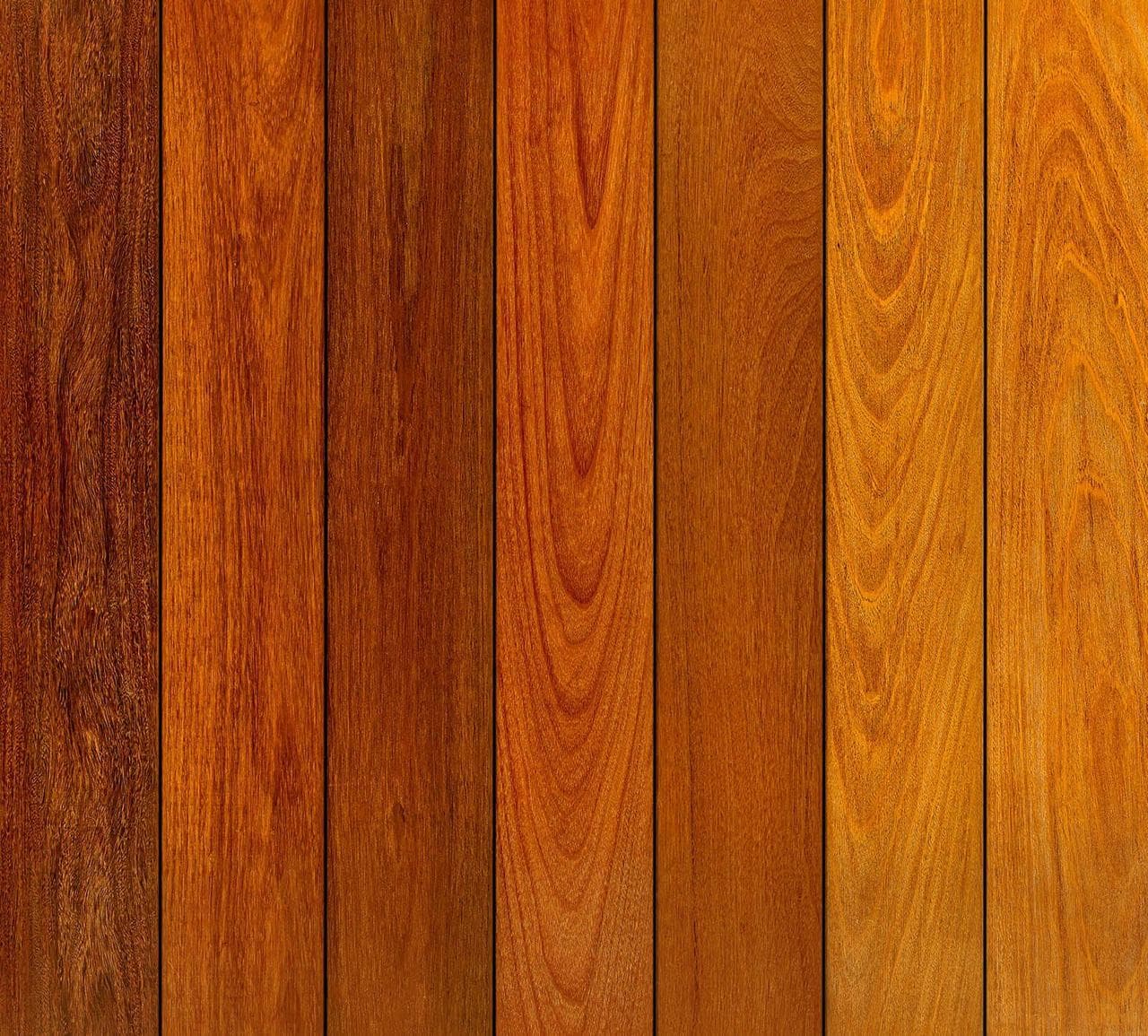
Understanding Your Courtyard's Unique Environment
Before selecting decking, evaluate your courtyard's specific characteristics. Is it largely shaded by surrounding structures, or does it receive significant direct sunlight? How does water drain currently, especially during heavy rain? Understanding these factors will inform your material choice, deck design, and future maintenance approach.
Courtyards often have limited airflow compared to open-air decks, which can affect how quickly a deck surface dries after rain or cleaning. Ipe's natural resistance to mold and its ability to resist warping after moisture exposure are valuable attributes in such environments. (Source: S1)
Designing for Limited Space and Usability
Courtyard decks often serve as extensions of interior living spaces, making efficient use of limited square footage crucial. Consider the primary function of your courtyard deck: is it for dining, relaxation, or a walkway? This will guide your layout and the scale of furniture or planters you can incorporate.
For smaller courtyards, a simple, clean layout with straight lines can create a sense of openness. Board width choices can also influence the perceived size of the space. While Ipe is available in various dimensions, a consistent profile, such as 1x4 or 1x6 boards, can maintain visual continuity. Avoid overly complex patterns that might make a small area feel cluttered.
Consider built-in benches or planters to maximize usable space and provide integrated seating without overwhelming the area with freestanding furniture. Ensure any built-ins are compatible with the Ipe decking and allow for proper ventilation beneath the deck.
Managing Shade and Sunlight Exposure
The amount of shade in a courtyard impacts the deck's temperature, drying time, and the appearance of the Ipe. In heavily shaded courtyards, Ipe will likely retain its reddish-brown to olive-brown color longer if regularly cleaned and sealed. If left untreated, Ipe naturally weathers to a silvery-gray patina, which can be an appealing aesthetic in any light condition. (Source: S1)
For courtyards with mixed sun and shade, consider how these conditions might affect the decking. Areas receiving more sun may lighten faster if left untreated. Regular cleaning is important in shaded areas to prevent organic growth due to prolonged moisture.
If you desire to maintain the original color of Ipe in a shaded courtyard, applying a UV-blocking sealer is recommended. This helps protect the wood from the elements and preserves its rich tones. (Source: S1)
Ensuring Proper Drainage and Ventilation
Drainage is a critical consideration for courtyard decks, especially in enclosed spaces where water may collect. Proper substructure design is essential to allow water to flow away from the building foundation and prevent moisture buildup under the deck. Ensure adequate spacing between Ipe deck boards to facilitate water runoff and airflow. Consult product specifications for recommended gap dimensions.
Ventilation beneath the deck is equally important to prevent moisture accumulation, which can lead to issues with the substructure and potentially affect the decking over time. If your courtyard design limits natural airflow, explore options like perimeter vents or strategic gaps in fascia boards to encourage circulation. Ipe's natural resistance to mold is beneficial, but good ventilation remains a best practice for any wood deck.
Consider the slope of the sub-base and the deck framing to direct water away from the house or sensitive areas. A slight slope of 1/8 to 1/4 inch per foot is often recommended.
Worked Example: A Small Courtyard Deck Design
Let's consider a hypothetical courtyard measuring 10 feet by 12 feet, intended primarily for a small dining set and a few potted plants. The goal is a durable, low-maintenance deck that complements the adjacent interior space.
We'll use Ipe 1x6 square-edge boards for a clean, contemporary look. The deck framing will be constructed with pressure-treated lumber, resting on concrete piers, with a slight slope for drainage.
For the deck surface: 12 feet (width) / 5.5 inches (actual 1x6 width) = 26.18 boards. Since boards are typically sold in full lengths, purchasing 26 boards at 10 feet each would provide 260 linear feet. With an additional 10% for cuts and waste, this brings the estimate to 286 linear feet of Ipe 1x6. This example assumes a straightforward installation without complex cuts or patterns.
The small size of the courtyard means a simple picture frame border might be an appealing option, requiring additional linear feet of Ipe. For this 10x12 foot deck, the perimeter is 2 * (10 + 12) = 44 linear feet. If using 1x6 for the border, this would require 8 additional 10-foot boards to complete the picture frame. This brings the total Ipe board requirement to 34 boards at 10 feet each, or 340 linear feet.
This example highlights the need to account for both the main decking area and any border elements when calculating material quantities. Always measure your specific project dimensions carefully and factor in waste.
Complementary products for an Ipe courtyard deck might include:
Decking: <a href="/decking/hardwood/ipe">Ipe Decking</a>
Fasteners: <a href="/decking/hardwood">Hardwood Decking Fasteners</a>
Sealant: <a href="/decking/composite">Deck Sealants and Stains</a>
Cleaning: <a href="/decking/pvc">Deck Cleaners</a>
Before you order
- Assess Courtyard Dimensions: Measure length, width, and height clearances.
- Evaluate Sunlight Exposure: Determine shaded vs. sunny areas throughout the day.
- Analyze Existing Drainage: Observe how water currently flows and collects.
- Define Deck Function: Will it be for dining, lounging, or as a pathway?
- Consider Visual Flow: How will the deck connect with adjacent interior and exterior spaces?
- Select Ipe Profile: Choose board width (e.g., 1x4, 1x6) and edge type (square or grooved).
- Plan Substructure: Design for proper support, slope, and ventilation.
- Account for Fasteners: Decide between hidden or face-fastened installation.
- Review Finishing Options: Will Ipe be left to weather or sealed to maintain color?
- Estimate Material Quantities: Calculate linear footage for decking and any borders, adding for waste.
Confirm installation details, approved uses and warranty terms in the current instructions for the exact product and profile. Your installer should verify the substrate, structure and applicable project requirements.
Questions to help you decide
How does Ipe perform in a shaded courtyard?
Ipe performs well in shaded courtyards due to its natural resistance to mold and rot. However, shaded areas dry slower, so regular cleaning is recommended to prevent surface growth. If left untreated, Ipe will still weather to a silvery-gray patina, but at a potentially slower rate than in full sun. Applying a UV-blocking sealer can help maintain its original color. (Source: S1)
What kind of maintenance does an Ipe courtyard deck require?
Ipe is a low-maintenance wood. For a courtyard deck, occasional cleaning to remove leaves, dirt, and any organic buildup is important, especially in shaded areas. If you choose to preserve its original color, periodic application of a UV-blocking sealer will be necessary. If you prefer the weathered silvery-gray look, less frequent maintenance is required. (Source: S1)
Is Ipe decking suitable for courtyards with limited drainage?
While Ipe is resistant to moisture, proper drainage and ventilation are crucial for any deck, especially in courtyards where water can accumulate. The deck substructure must be designed to direct water away from the foundation. Ensure adequate spacing between boards and good airflow beneath the deck to prevent moisture buildup, which can affect the framing over time. Ipe's natural resistance to warping and mold is an advantage in these conditions. (Source: S1)
Ready to Plan Your Ipe Courtyard Deck?
Request a material quote with your project dimensions, desired Ipe profile, and ZIP code to confirm current availability and service options.
Request a material quote →