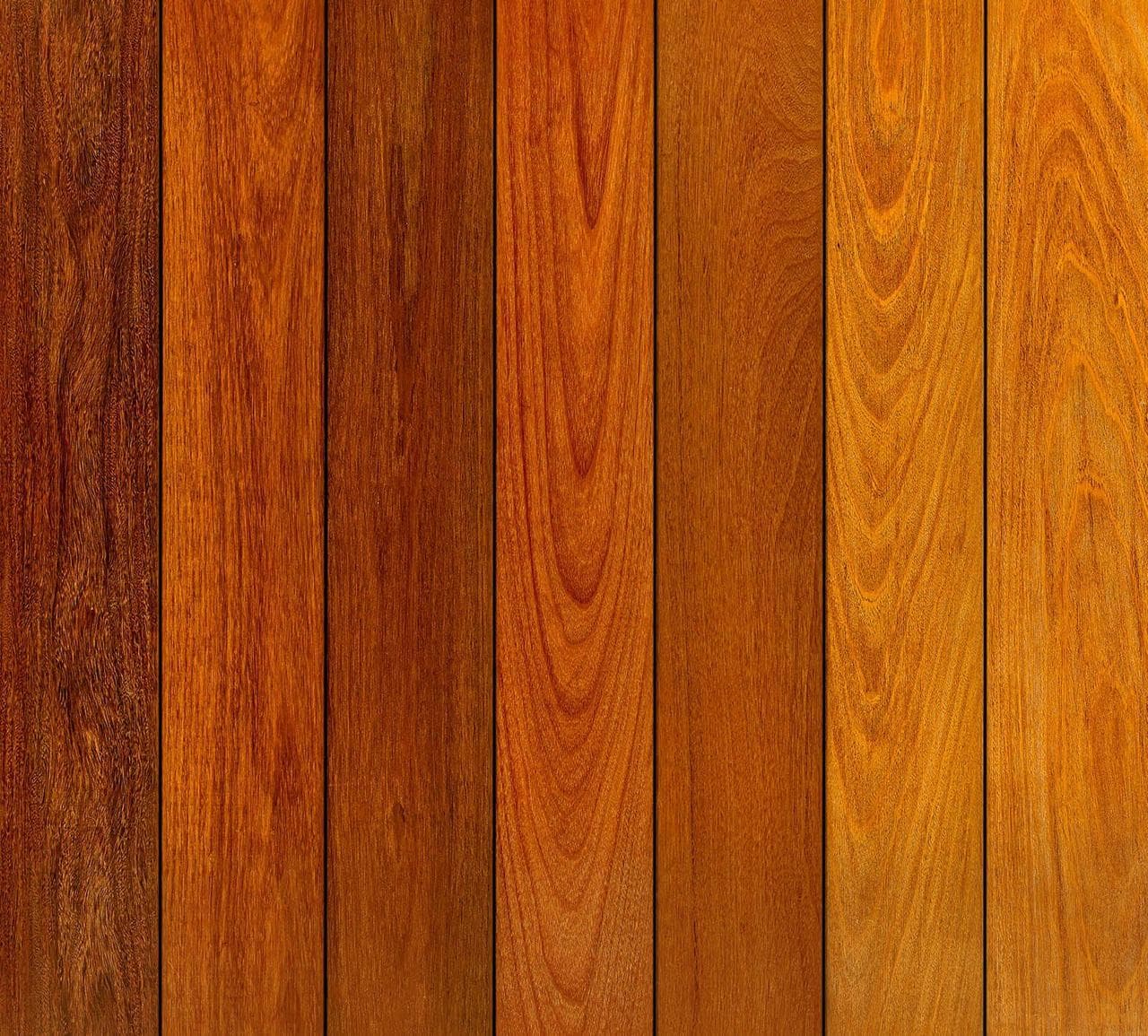
Confirming Ipe Profile and Dimensions
The exact profile and dimensions of your Ipe decking boards are fundamental to your project's aesthetic and structural integrity. Ipe is available in a variety of profiles, including standard square-edge boards and grooved boards designed for hidden fastening systems. The chosen profile directly impacts the fastening method and the final appearance of your deck surface.
Discuss with your contractor the specific board width and thickness. Common dimensions such as 1x6 or 5/4x6 refer to nominal sizes; it is important to confirm the actual milled dimensions, which can vary slightly. These actual dimensions will affect board spacing and the overall square footage calculation. For example, a wider board might achieve the desired look with fewer seams, while a narrower board can create a more intricate pattern. Also, confirm the desired board lengths and whether a mix of lengths is acceptable for your project to minimize waste and optimize cost. Longer boards often reduce the number of end joints, potentially creating a cleaner appearance.
Fastening Method: Hidden vs. Face Fastening
The choice between hidden fasteners and face fastening is a significant decision that affects both the installation process and the finished look of your Ipe deck. Hidden fastening systems create a smooth, uninterrupted deck surface, as the fasteners are concealed within the board edges or underneath. This method typically requires grooved Ipe boards or a specialized routing process for square-edge boards.
Face fastening, where screws are driven through the face of the board into the joists, offers a secure attachment and is a traditional method. When face fastening Ipe, it is generally recommended to pre-drill pilot holes due to the wood's density to prevent splitting. Matching Ipe plugs can be used to conceal the screw heads for a more refined appearance. Your contractor should confirm the specific fasteners and tools they plan to use, ensuring they are compatible with Ipe and suitable for outdoor exposure. This also includes verifying the required spacing between boards for proper drainage and ventilation, which can vary based on local climate conditions and the specific Ipe product.
Finishing and Weathering Expectations
Ipe wood can be left untreated to weather naturally to a silvery-gray patina, or it can be treated with a UV-blocking sealer to maintain its reddish-brown to olive-brown color. This decision should be made and communicated to your contractor before ordering materials, as it may influence the timing of the first finish application and ongoing maintenance.
If you opt for an oiled appearance, discuss the specific type of finish your contractor recommends for Ipe. This includes confirming compatibility with the wood and understanding the expected reapplication schedule. For projects in areas with significant sun exposure, a UV-blocking finish is often recommended to help preserve the original color. If you prefer the weathered look, confirm that no initial finish will be applied and discuss any necessary pre-installation cleaning or preparation for natural aging.
Structural Considerations and Substructure
Before ordering Ipe decking, verify that the existing or planned deck substructure can adequately support the Ipe. Ipe is a dense and heavy wood, with an air-dry density of approximately 5.75 lbs/bf. The joist spacing and overall framing must be designed to accommodate this weight, especially for larger decks or those intended to bear heavy loads like large planters or outdoor kitchens. Your contractor should confirm the joist material, spacing, and any necessary modifications to the substructure.
Proper ventilation beneath the deck is also crucial for the longevity of Ipe. Ensure your contractor has a plan for adequate airflow to prevent moisture buildup, which can contribute to issues like mold or rot, even with Ipe's natural resistance. This is particularly important for ground-level decks or those enclosed on multiple sides.
Worked Example: Decking a 10x12 Foot Patio
Let's consider a hypothetical project: decking a 10-foot by 12-foot patio area using 1x6 (nominal) Ipe square-edge boards.
First, calculate the total area: 10 feet * 12 feet = 120 square feet. For the 10-foot width, you'll need 10 feet / 0.46875 feet/board = 21.33 boards. Since you can't order partial boards for width, you'd round up to 22 boards across the 10-foot dimension. Each board will be 12 feet long. So, you would need 22 boards * 12 feet/board = 264 linear feet of 1x6 Ipe.
For ordering, it's generally advisable to add a waste factor, typically 10-15%, to account for cuts, imperfections, and future repairs. For this example, 264 linear feet * 1.15 (15% waste) = 303.6 linear feet. You would then round up to the nearest full board length available. If boards are sold in 12-foot increments, you would order 26 boards (312 linear feet). This ensures you have enough material for the project and any necessary adjustments.
Before you order
- Confirmed Ipe board profile (square-edge, grooved)
- Agreed upon actual board dimensions (width, thickness)
- Specified desired board lengths and acceptable length mix
- Selected fastening method (hidden clips, face screws, plugs)
- Verified fastener type and material for outdoor use
- Confirmed planned board spacing and ventilation strategy
- Decided on initial finish (natural weathering vs. UV-blocking oil)
- Reviewed substructure compatibility for Ipe's density and weight
- Discussed waste factor for material ordering
- Set expectations for delivery, storage, and acclimation
Confirm installation details, approved uses and warranty terms in the current instructions for the exact product and profile. Your installer should verify the substrate, structure and applicable project requirements.
Questions to help you decide
Why is detailed planning with my contractor important for Ipe decking?
Ipe is a dense hardwood that requires specific tools and installation techniques. Detailed planning ensures your contractor understands your aesthetic preferences, the chosen fastening method, and all structural requirements, leading to a smoother project and accurate material order. This helps prevent misunderstandings and potential delays during installation.
What are the considerations for board dimensions and profiles?
The profile (square-edge or grooved) dictates the fastening method. Square-edge boards are typically face-fastened, often with plugs, while grooved boards are designed for hidden clip systems. Your choice impacts both installation and the deck's final appearance.
Should Ipe decking be treated or left to weather naturally?
Ipe can be left untreated to weather to a silvery-gray patina, or you can apply a UV-blocking sealer to maintain its rich reddish-brown to olive-brown color. This choice is aesthetic and affects long-term maintenance. Discuss your preference with your contractor, as it will influence any initial finishing steps and the type of maintenance products needed.
Ready to Plan Your Ipe Decking Project?
Request a material quote with your project dimensions, exact Ipe profile, and ZIP code. Confirm current availability and service options for your area to get started.
Request a material quote →