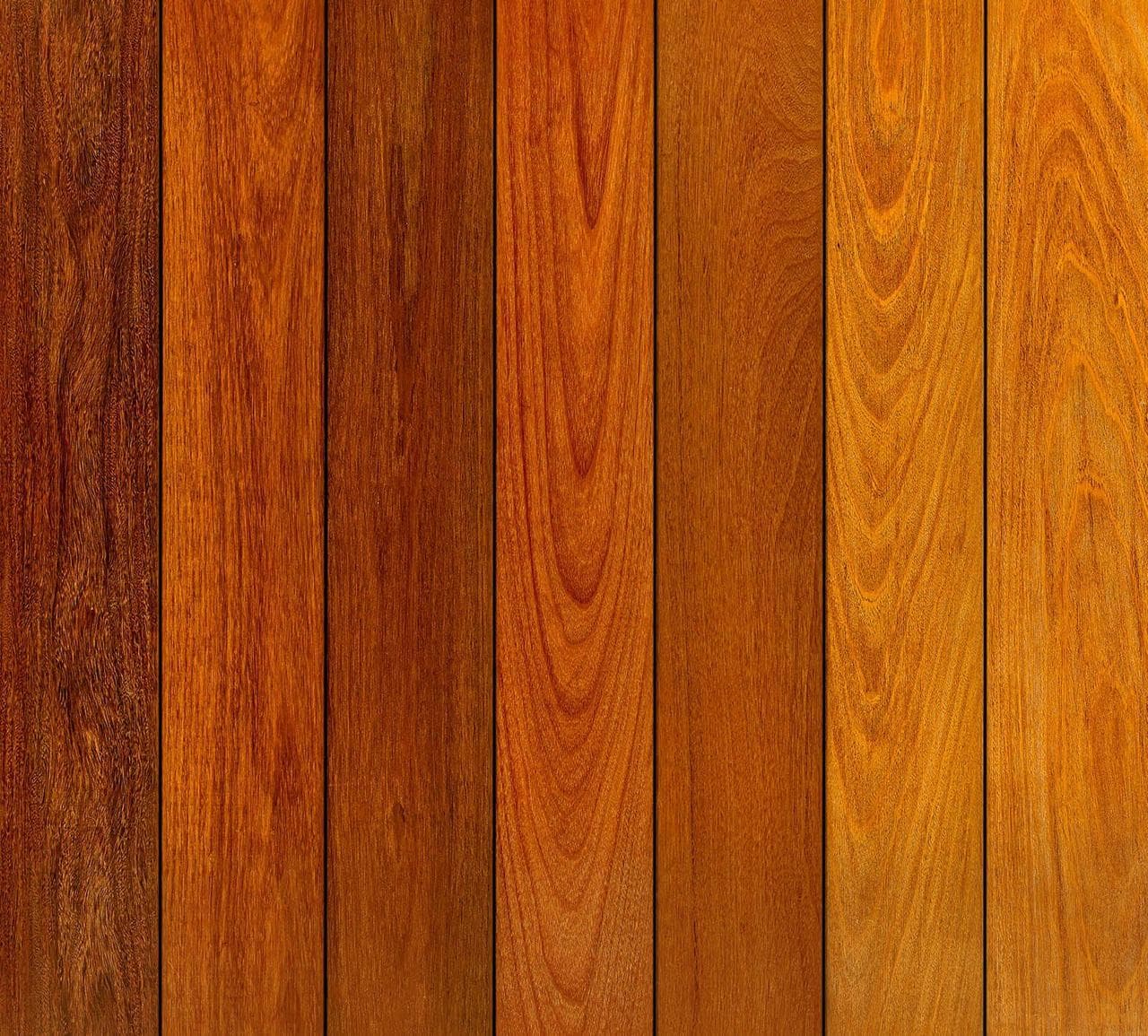
Understanding Ipe's Natural Resistance in Coastal Settings
Ipe wood is celebrated for its natural density and resilience, making it a popular choice for outdoor applications. It is naturally resistant to rot, insects, and mold, and exhibits minimal movement post-installation. These characteristics contribute to its durability in various outdoor environments.
For coastal homes, Ipe's ability to resist weather changes is a key advantage. Its natural oils offer protection against cracking or warping, even with moisture exposure. This inherent stability is beneficial where humidity levels fluctuate.
However, while Ipe resists moisture, prolonged exposure to airborne salt can still impact its appearance and the longevity of fasteners. Understanding these nuances is crucial for a successful coastal decking project.
Evaluating Salt Exposure for Your Project
The degree of salt exposure varies significantly even within a coastal property. A deck directly on the beachfront will experience more salt spray than one set back behind dunes or landscaping. Consider the prevailing wind direction and distance from the water.
Salt can accumulate on the surface of decking boards, potentially leading to a hazy film or accelerated weathering. Regular cleaning can help mitigate this. More importantly, salt can corrode incompatible fasteners and hardware, compromising the structural integrity of your deck over time.
Before selecting Ipe, assess your specific site's exposure level. Is the deck frequently misted by ocean spray? Is it exposed to strong, salt-laden winds? This assessment will inform your choices for fasteners, finishes, and maintenance plans.
Choosing Compatible Fasteners and Hardware
Given Ipe's density, specialized tools and techniques are recommended for installation. When building in a coastal environment, the choice of fasteners and hardware is particularly critical. Saltwater and salt spray are highly corrosive to many metals.
For Ipe decking in coastal applications, stainless steel fasteners are generally preferred. Confirm that any chosen screws, clips, or other hardware are rated for marine environments or high-corrosion resistance. This is essential to prevent premature corrosion, staining of the wood, and structural failure.
Always verify the exact specification of fasteners with your supplier to ensure they are suitable for both Ipe's density and the specific coastal conditions of your project. This includes not only deck screws but also any ledger board fasteners, joist hangers, or railing hardware.
Maintenance Considerations for Coastal Ipe
Ipe wood is considered low maintenance, but coastal environments necessitate a specific approach. If left untreated, Ipe will weather to a silvery-gray patina. In a coastal setting, this weathering process might be influenced by salt accumulation.
For those who prefer to maintain Ipe's original reddish-brown to olive-brown color, applying a UV-blocking sealer is necessary. In coastal areas, consider a finish that also offers enhanced protection against salt and moisture. Regular cleaning to remove salt residue is also advisable.
Even if you opt for the weathered look, occasional cleaning will help prevent the buildup of salt and other environmental debris. Inspecting fasteners periodically for any signs of corrosion is also a prudent maintenance step for coastal decks.
Worked Example: Ipe Decking for a Coastal Beachfront Home
Consider a hypothetical beachfront property in a high-salt spray zone, planning a 12-foot by 20-foot Ipe deck.
For this project, the primary concern is the extreme salt exposure. This choice provides maximum corrosion resistance against the constant salt spray.
The project requires 20-foot-long Ipe boards to minimize seams. For a 12-foot width, approximately 26 boards will be needed (12 feet / 5.5 inches per board = 26.18 boards, rounded up). For the 20-foot length, 26 boards * 20 feet/board = 520 linear feet. Given that Ipe boards are often sold in various lengths, ordering slightly more to allow for cuts and waste is recommended.
The homeowner also plans for quarterly cleaning with fresh water to remove salt buildup and intends to apply a marine-grade UV-blocking oil annually to preserve the rich color and offer an additional layer of protection against the elements. This proactive maintenance plan addresses the specific challenges of the beachfront location.
Before you order
- Assess your specific site's salt exposure level (low, moderate, high).
- Plan for regular cleaning to remove salt residue from the deck surface.
- Decide on a finish: natural weathering or UV-blocking oil for color retention, considering coastal-specific options.
- Verify the installation method accounts for Ipe's density and coastal conditions (e.g., pre-drilling).
- Review any product-specific warranty exclusions related to coastal exposure or hardware choices.
Confirm installation details, approved uses and warranty terms in the current instructions for the exact product and profile. Your installer should verify the substrate, structure and applicable project requirements.
Questions to help you decide
Does Ipe wood warp in coastal humidity?
Ipe is known for its stability and resistance to warping. Its natural oils protect it from cracking or warping even with moisture exposure, making it a suitable choice for humid coastal environments. However, proper installation and ventilation are still crucial.
What kind of fasteners should I use for Ipe decking near the ocean?
These offer superior corrosion resistance against salt spray and saltwater, helping to prevent staining and ensure the long-term integrity of your deck.
How often should I clean an Ipe deck in a coastal area?
In coastal areas, it's advisable to clean your Ipe deck more frequently than in inland locations. Regular cleaning with fresh water, perhaps quarterly or as needed after significant storms, can help remove salt buildup and prevent potential surface issues or accelerated weathering.
Request a Quote for Your Coastal Ipe Decking Project
Ready to plan your Ipe deck for a coastal home? Contact us with your project dimensions, desired Ipe profile (e.g., 1x6, 5/4x6), and ZIP code. We'll help you confirm current availability and service options for your specific needs.
Request a material quote →