Defining Your Gathering Zones
The first step in planning an Ipe deck for entertaining is to clearly define the different activity zones your backyard will host. Consider areas for an outdoor kitchen or grill, a dining space, and a lounging or conversation area. Each zone has distinct requirements that influence deck design, board selection, and even maintenance considerations.
For example, a grilling area might benefit from a more robust board profile to handle potential spills and heavy foot traffic, while a lounging area might prioritize a smoother finish for comfort. A dining zone needs adequate space for a table and chairs, often dictating the overall deck dimensions and how board seams are managed. Mapping these zones out early will guide your material choices and layout decisions.
Ipe's Characteristics for High-Traffic Areas
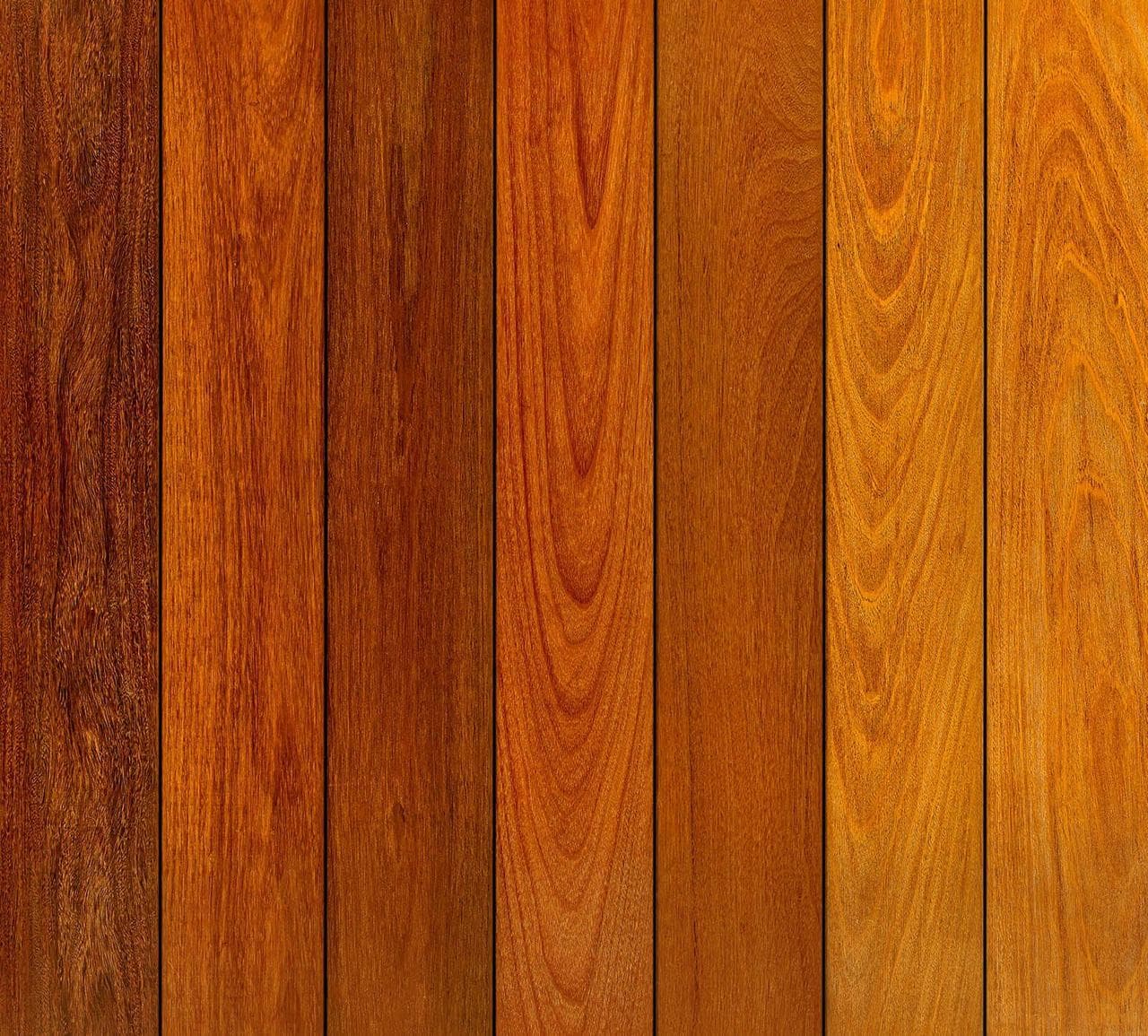
Ipe wood, also known as Brazilian walnut, is a dense, durable hardwood native to South America. Its inherent properties make it suitable for high-traffic outdoor areas like a gathering deck. The wood ranges from reddish-brown to olive-brown, offering a rich aesthetic that can complement various outdoor designs.
Ipe is recognized for its minimal movement post-installation and natural resistance to weather changes, mold, and termites. These attributes contribute to its longevity, making it a robust foundation for a deck that will see frequent use and varying conditions, from summer barbecues to cooler evening gatherings. Its density also means it stands up well to the wear and tear associated with moving furniture and active use.
Board Layout and Profile Selection for Functionality
The layout of your Ipe decking boards can visually delineate different gathering zones and enhance functionality. For instance, you might use a consistent board direction for the main dining area and then shift the direction or incorporate a picture-frame border to define a separate lounging space or an outdoor kitchen. This creates visual interest and helps organize the flow of movement.
Ipe decking is available in a variety of profiles and sizes, typically from 1"x2" to 6"x6" dimensions and lengths from 3 to 24 feet. When planning a gathering space, consider standard decking board widths (e.g., 1x6 or 5/4x6) for main areas, and potentially narrower boards for intricate patterns or borders. The choice between grooved and square-edge boards will also impact fastener selection and the final appearance of your deck.
Finishing Choices for Aesthetic and Practicality
The finish you choose for your Ipe deck affects both its appearance and maintenance. If left untreated, Ipe will naturally weather to a silvery-gray patina, a popular choice for those seeking a low-maintenance, aged look. This weathered appearance can blend well with natural landscaping and provide a sophisticated backdrop for gatherings.
Alternatively, if you prefer to maintain Ipe's original reddish-brown to olive-brown color, applying a UV-blocking sealer is recommended. This can be particularly appealing for a gathering space where the rich wood tones can enhance the ambiance. Regular cleaning and occasional reapplication of the sealer will help preserve the desired color and protect the wood. Consider the overall aesthetic of your backyard and how the deck finish will integrate with other elements like outdoor furniture and landscaping.
Worked Example: A Multi-Zone Ipe Deck
Consider a hypothetical backyard deck measuring 20 feet by 15 feet, designed to accommodate a grilling station, a dining area, and a lounging space. We'll use 1x6 Ipe decking boards, which typically have an actual width of about 5.5 inches.
For the grilling station (8 ft x 5 ft), we'll run boards parallel to the 8-foot dimension. This requires 5 ft / 5.5 inches = approximately 11 boards. For the dining area (10 ft x 10 ft), boards will run parallel to one 10-foot side, requiring 10 ft / 5.5 inches = approximately 22 boards. The lounging area (12 ft x 5 ft) will have boards running parallel to the 12-foot side, needing 5 ft / 5.5 inches = approximately 11 boards.
A picture-frame border, using 1x6 Ipe boards, could define the perimeter of the entire 20x15-foot deck. This would involve two 20-foot boards and two 15-foot boards. The total area is 300 square feet. For purchase quantity, assuming standard 1x6 Ipe boards are sold in various lengths, you would need to calculate linear footage. For this example, if using an average 12-foot length, for the main deck area, you'd need approximately (20 ft * 12 + 10 ft * 22 + 12 ft * 11) linear feet, plus waste. It is important to account for cutting waste and to order a sufficient quantity of full boards, as offcuts may not always be reusable given varying lengths needed for different zones. This hypothetical example simplifies cuts; actual projects will require detailed cut plans to optimize material use.
For a cohesive look, a clear, UV-blocking sealer would be applied across all zones to maintain the Ipe's natural color, providing a consistent, elegant backdrop for gatherings.
Before you order
- Identify distinct gathering zones (grilling, dining, lounging) and their required dimensions.
- Determine desired board layout for each zone (e.g., parallel, perpendicular, diagonal, borders).
- Select Ipe board profiles (e.g., 1x6, 5/4x6) based on structural needs and aesthetic preferences.
- Choose between square-edge or grooved boards, coordinating with your chosen fastening system.
- Decide on the desired final appearance: weathered gray patina or maintained natural color.
- If maintaining natural color, plan for a compatible UV-blocking sealer and ongoing maintenance.
- Consider how the deck integrates with surrounding landscaping, hardscaping, and outdoor structures.
- Consult with an installer regarding specific fastening methods and ventilation requirements for Ipe.
- Obtain accurate measurements for all zones to calculate linear footage and minimize waste.
Confirm installation details, approved uses and warranty terms in the current instructions for the exact product and profile. Your installer should verify the substrate, structure and applicable project requirements.
Questions to help you decide
Can Ipe decking withstand heavy use and outdoor cooking activities?
Yes, Ipe is known for its exceptional density and durability, making it well-suited for high-traffic areas and activities like outdoor cooking. Its natural resistance to rot, insects, and mold also contributes to its longevity in such demanding environments. However, prompt cleanup of spills is always recommended to maintain its appearance.
How does Ipe's color variation affect the appearance of a multi-zone deck?
Ipe lumber naturally ranges from reddish-brown to olive-brown. This variation can create a rich, variegated appearance across your deck, adding to its natural character. If a highly uniform look is desired, careful selection and arrangement of boards during installation, or the application of a pigmented stain, might be considered, though Ipe's natural beauty often lies in its subtle color differences.
What maintenance is required for an Ipe deck used for frequent gatherings?
Ipe is considered low-maintenance. If you allow it to weather to a silvery-gray, periodic cleaning is usually sufficient. To preserve its original color, regular cleaning and reapplication of a UV-blocking oil or sealer will be necessary. For a gathering deck, prompt cleaning of food and beverage spills is advisable to prevent staining, regardless of the finish choice.
Plan Your Ipe Deck for Unforgettable Gatherings
Ready to design an Ipe deck that brings your backyard gathering vision to life? Request a material quote today. Provide your project dimensions, desired Ipe profile, and ZIP code to confirm current availability and service options. Our team can assist you in selecting the right Ipe decking for your specific needs.
Request a material quote →