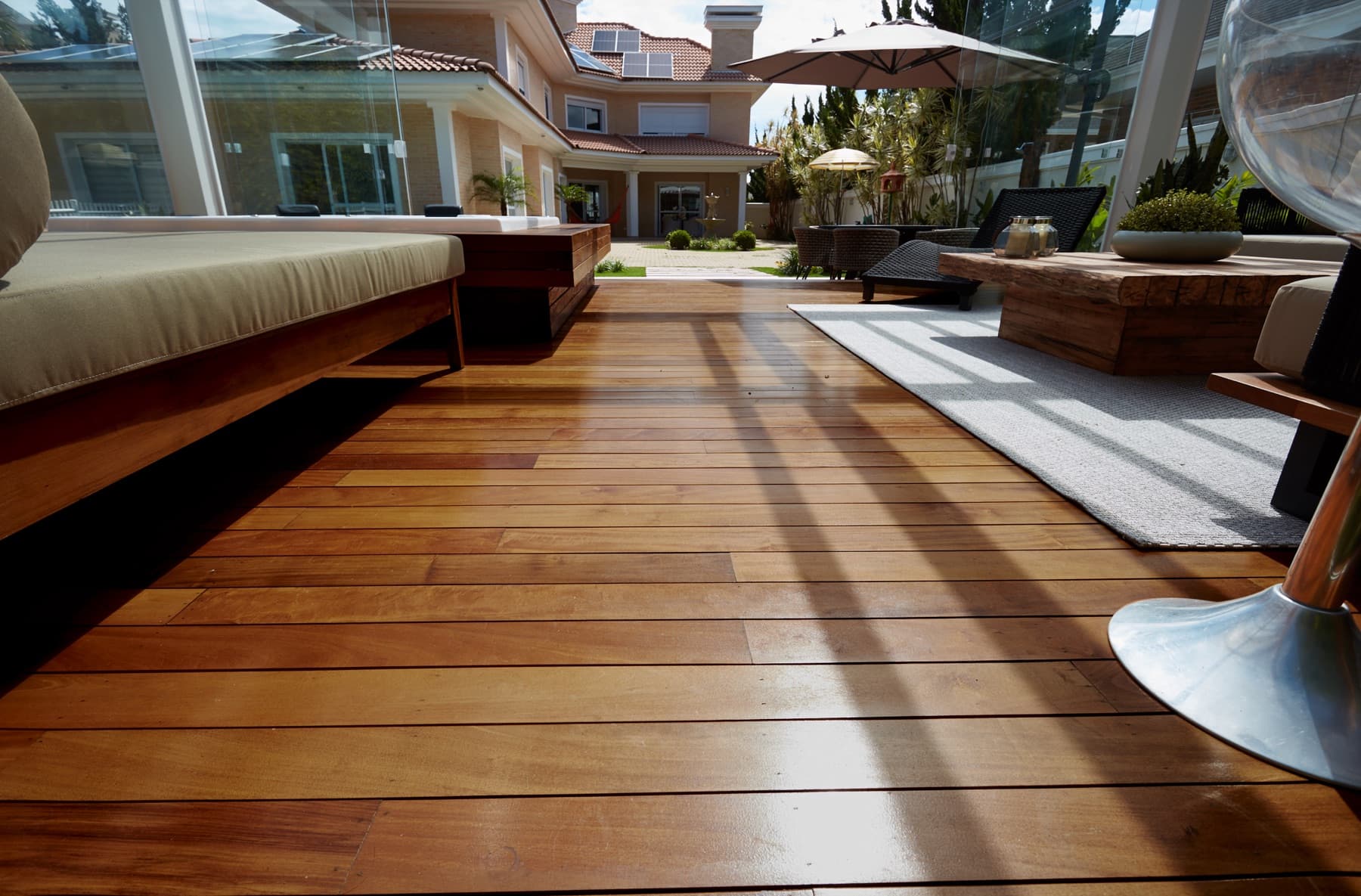
Assessing Your Existing Deck Frame for Hardwood
Before selecting your new hardwood decking, a critical first step for any renovation is to thoroughly inspect your existing deck frame. Hardwood decking, especially dense tropical species like Ipe and Cumaru, is heavier than many common decking materials. This weight difference necessitates a careful evaluation of your current joist spacing and structural integrity.
Always consult with a qualified contractor or structural engineer to confirm your frame can safely support the increased load of hardwood decking, particularly if your deck is elevated or spans a significant area.
Choosing Your Hardwood Species: Ipe vs. Cumaru
Lumber Plus offers a range of hardwood decking species, with Ipe and Cumaru being two of the most popular choices for their durability and distinctive aesthetics. Understanding the differences between these options can help you select the best fit for your Saint Paul renovation project.
Ipe (Handroanthus spp.), also known as Brazilian walnut, is renowned for its exceptional density and longevity. Its color ranges from reddish-brown to olive-brown and it can last up to 75 years with proper care. Ipe is considered the benchmark for premium hardwood decking due to its unmatched performance and sophisticated appearance.
Cumaru (Dipteryx odorata) is another highly durable tropical hardwood, offering a compelling alternative to Ipe. Cumaru presents a warm, reddish-brown to golden-brown color palette. While slightly less dense than Ipe, Cumaru still provides excellent stiffness, strength, and hardness, making it a robust choice for demanding outdoor applications. When worked, Cumaru can also release a subtle scent of cinnamon and vanilla.
Both Ipe and Cumaru are naturally resistant to decay and insects, often eliminating the need for chemical treatments. They can be allowed to weather to a silvery-gray patina or maintained with a UV-blocking sealer to preserve their original rich colors. Consider your budget, desired aesthetic, and long-term maintenance preferences when making your selection.
Explore more about Ipe: https://lumberplus.com/decking/hardwood/ipe
Explore more about hardwood decking options: https://lumberplus.com/decking/hardwood
Planning for Board Dimensions and Layout
Hardwood decking boards are available in various dimensions. Common profiles include standard widths and thicknesses designed for exterior use. When planning your renovation, consider how different board widths might affect the visual scale of your deck. Wider boards can create a more contemporary look, while narrower boards might offer a more traditional aesthetic.
The lengths of available boards can also influence your layout. Longer boards can minimize the number of end joints, resulting in a cleaner, more continuous appearance. However, longer boards may also require more careful handling during installation. Planning your layout in advance, including any picture-frame borders or diagonal patterns, will help you determine the optimal board dimensions and quantities needed for your project.
It's important to account for proper spacing between boards to allow for natural expansion and contraction, as well as drainage. Always refer to the specific manufacturer's recommendations for gap spacing for your chosen hardwood species and profile to ensure proper ventilation and prevent moisture accumulation.
Fastening Systems and Edge Finishes
The choice of fastening system impacts both the aesthetics and durability of your hardwood deck. Hidden fasteners are a popular choice for their clean, uninterrupted surface appearance, as they secure the boards from the sides or underside, leaving no visible screws on the deck surface. This method also helps protect the wood from moisture intrusion through fastener holes.
Alternatively, face-fastening involves screwing through the face of the board into the joists. While visible, this method can offer a strong, secure connection. If face-fastening, select high-quality, corrosion-resistant screws specifically designed for hardwood, and pre-drilling is almost always required to prevent splitting due to the density of tropical hardwoods. Consider using plugs made from the same hardwood species to conceal the screw heads for a more refined finish.
For the edges of your deck, fascia boards provide a finished look, concealing the deck frame. These are typically made from the same hardwood species as your decking for a cohesive design. Plan for these details during your material take-off to ensure all components are ordered together.
Maintenance and Long-Term Care for Hardwood Decking
One of the advantages of hardwood decking is its inherent durability and relatively low maintenance requirements. For species like Ipe and Cumaru, a simple annual wash is often sufficient to remove dirt and debris. This minimal care helps maintain the structural integrity of the wood.
If you prefer to preserve the original rich color of your hardwood deck, an annual application of a UV-blocking oil or sealer is recommended. Without this treatment, the wood will naturally weather to a beautiful silvery-gray patina over time. This color change does not affect the structural performance or lifespan of the deck. Consider your preference for a natural weathered look versus a maintained color when planning your long-term care routine.
For specific product care and cleaning instructions, always refer to the guidelines provided by the decking manufacturer or your supplier. Proper maintenance helps ensure the longevity and beauty of your hardwood deck for many years.
Before you order
- Assess existing deck frame: Confirm joist spacing and structural integrity for hardwood weight.
- Choose hardwood species: Select between Ipe, Cumaru, or other options based on budget, aesthetic, and durability.
- Determine board dimensions: Plan for widths and lengths that suit your design and minimize waste.
- Select fastening method: Decide between hidden fasteners for a clean look or face-fastening with plugs.
- Plan edge finishes: Account for fascia boards to complete the deck's perimeter.
- Consider long-term maintenance: Decide on color retention (oiling) versus natural weathering (silver patina).
- Verify local building codes: Ensure your renovation plans comply with all Saint Paul building regulations.
Confirm installation details, approved uses and warranty terms in the current instructions for the exact product and profile. Your installer should verify the substrate, structure and applicable project requirements.
This is a planning guide for projects in Saint Paul, MN. Ask our team to confirm availability, delivery to your ZIP code and which branch can support your order.
Questions to help you decide
How do I know if my existing deck frame can support hardwood decking?
It's crucial to have a qualified contractor or structural engineer inspect your existing deck frame. Hardwood decking is denser and heavier than many other materials, so joist spacing and overall structural integrity must be confirmed.
Will my hardwood deck change color over time?
Yes, if left untreated, hardwood decking like Ipe and Cumaru will naturally weather to a beautiful silvery-gray patina. This is a natural process and does not affect the wood's durability or structural integrity. If you prefer to maintain the original rich color, you will need to apply a UV-blocking oil or sealer annually.
Do I need to apply a special finish to my hardwood deck?
Hardwood decking does not require a special finish for structural protection against rot or insects, as its natural density and oils provide this. However, if you wish to preserve the original color and prevent the wood from turning silvery-gray, an annual application of a UV-blocking oil or sealer is recommended. Always check product-specific recommendations.
Request a Hardwood Decking Quote for Your Saint Paul Project
Ready to transform your Saint Paul deck with the enduring beauty and strength of hardwood? Contact Lumber Plus today for a material quote. Provide your project dimensions, desired hardwood profile, and your ZIP code, and our team will assist you with current availability and service options. We also offer composite and PVC decking options for comparison: https://lumberplus.com/decking/composite and https://lumberplus.com/decking/pvc.
Request a material quote →