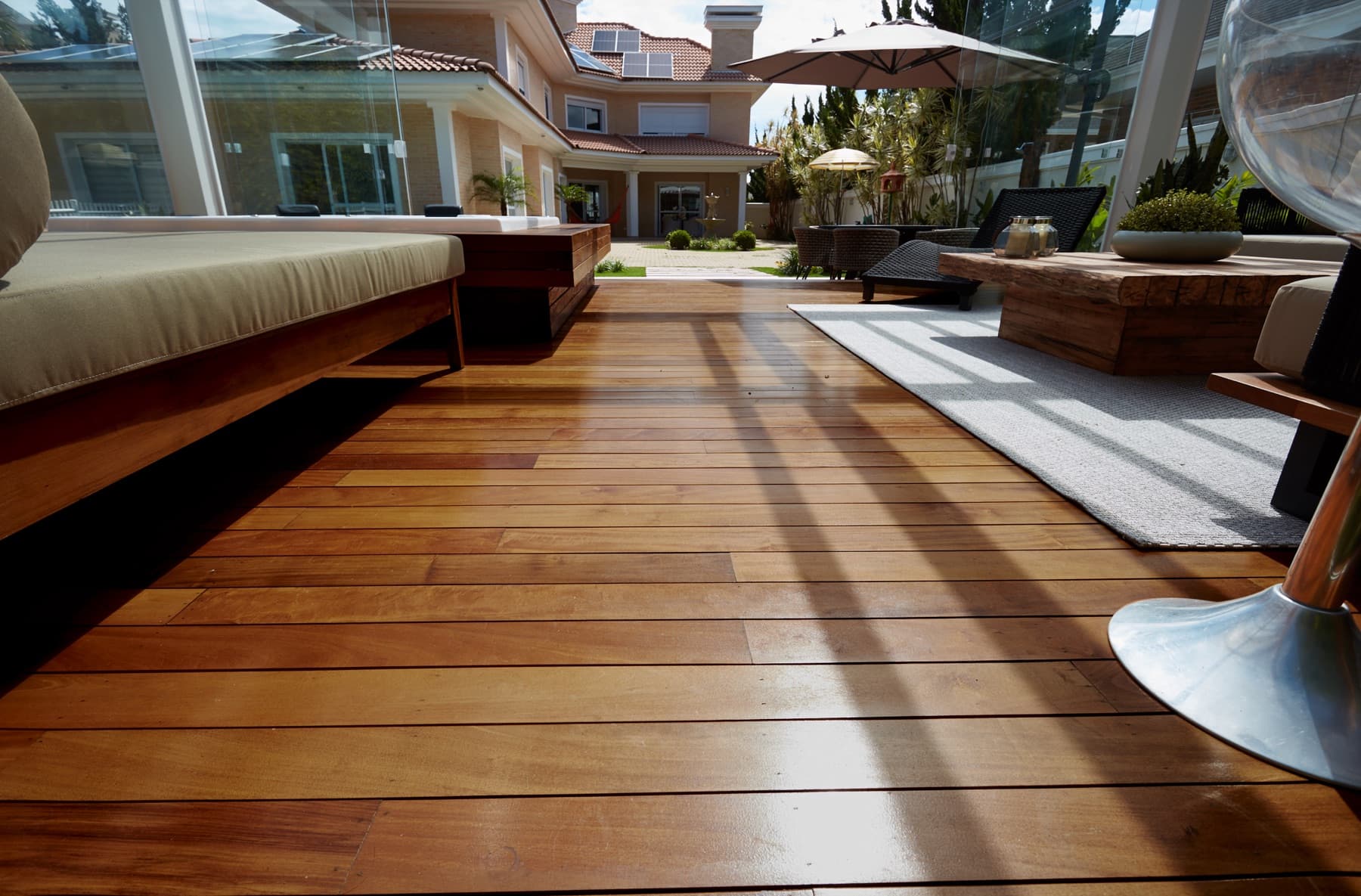
Assessing Your Existing Deck Frame
The foundation of any successful deck renovation is a thorough inspection of the existing frame. Before you even consider new decking boards, you must confirm that your substructure is sound, level, and capable of supporting the new material. Hardwood decking, particularly dense species like Ipe or Cumaru, is heavier than many common decking materials, so the frame's load-bearing capacity is a critical factor.
Begin by checking for any signs of rot, insect damage, or significant warping in the joists, beams, and support posts. Use a moisture meter to detect hidden moisture issues. Verify that all fasteners are secure and free of corrosion. Pay close attention to the ledger board connection to your house, ensuring it is properly flashed and structurally sound. Any compromised elements in the frame must be repaired or replaced before new decking is installed to ensure safety and longevity.
Additionally, confirm that your joist spacing is appropriate for the hardwood decking you plan to use. While many hardwoods can span standard joist distances, denser species might allow for wider spacing, and thinner profiles may require closer joist placement. Consult the specific product specifications for your chosen hardwood to ensure compatibility and avoid future issues like sagging or cupping.
Choosing the Right Hardwood Species for Denver
Denver's climate presents unique challenges for outdoor materials, including significant temperature fluctuations, dry air, and intense UV exposure. Selecting a hardwood species that can naturally resist these conditions is key to a long-lasting deck. Hardwoods like Ipe and Cumaru are popular choices for their inherent durability and resistance.
Ipe, also known as Brazilian walnut, is renowned for its exceptional density and longevity. Its natural oils protect it from cracking or warping, making it a robust option for Denver's dry climate and varying temperatures. Ipe typically ranges from reddish-brown to olive-brown and can be oiled to maintain its color or allowed to weather to a silvery-gray patina. With proper care, Ipe decking can last for decades. (S1, S2)
It is also naturally resistant to termites and weather changes. Cumaru shares many of Ipe's advantages in terms of durability and resistance, making it a strong contender for outdoor applications. It presents a slightly different color palette, often with more golden or reddish tones. (S1, S2)
Other species like Garapa and Tigerwood also offer distinct aesthetics and durability levels, providing a range of options depending on your project's specific needs and desired appearance. Consider the natural color, grain pattern, and maintenance requirements of each species when making your selection.
Board Profiles and Lengths for Renovation
Hardwood decking is available in various profiles and lengths, which can impact both the aesthetic and installation of your renovation project. Common profiles include standard dimensional lumber sizes, often with options for smooth or grooved edges to accommodate different fastening systems. The choice of profile can influence the final look, from a classic face-fastened appearance to a cleaner, fastener-free surface achieved with hidden clip systems.
When planning your renovation, consider how board lengths will integrate with your existing deck dimensions. Longer boards can reduce the number of end-to-end seams, creating a more continuous and expansive look. However, extremely long boards can be more challenging to transport and install, especially on an existing frame that may not be perfectly square. Shorter lengths might be more economical for smaller or irregularly shaped decks, minimizing waste from cuts.
It is important to confirm current profile and length availability, as these can vary. Planning your layout with available lengths in mind helps optimize material use and reduces waste. For example, if your deck is 16 feet deep, selecting 16-foot boards can eliminate butt joints across the deck's width, creating a more seamless finish.
Fastening Systems: Hidden vs. Face-Fastened
The method you choose to fasten your hardwood decking significantly impacts both the appearance and the long-term performance of your renovated deck. There are two primary approaches: face-fastening and hidden fastening systems.
Face-fastening involves driving screws directly through the face of the deck board into the joists below. This is a traditional and robust method, providing strong hold-down power. For hardwood, pre-drilling is almost always required due to the material's density. Stainless steel screws are recommended to prevent corrosion and staining. While visible, the screw heads can be strategically placed or countersunk for a neater finish.
Hidden fastening systems use clips or fasteners that attach to the sides or underside of the deck boards, securing them to the joists without visible screws on the surface. This creates a clean, uninterrupted deck surface, which many homeowners prefer for its modern aesthetic. Hidden fasteners require specific board profiles, often with grooved edges, and their installation can be more intricate. Ensure that the chosen hidden fastening system is compatible with the hardwood species and profile you select, and follow manufacturer guidelines for spacing and installation.
Maintenance and Longevity for Denver Decks
Hardwood decking, particularly species like Ipe and Cumaru, is known for its low maintenance requirements compared to many other decking materials. However, some routine care will help preserve its beauty and extend its lifespan, especially in Denver's climate.
The primary maintenance task is regular cleaning to remove dirt, pollen, and debris. A simple wash with water and a soft brush once a year is typically sufficient. If you prefer to maintain the original rich brown tones of species like Ipe or Cumaru, an annual application of a UV-blocking oil or sealer is recommended. Without this, the wood will naturally weather to an attractive silvery-gray patina, a process that does not compromise its structural integrity. (S2)
Hardwoods resist warping after moisture exposure, and their natural oils protect them from cracking, which is a significant advantage in a dry climate like Denver's. These properties contribute to the material's long-term performance, offering decades of service with minimal intervention. (S1)
Before you order
- Inspect existing deck frame for rot, insect damage, and structural integrity.
- Verify joist spacing is compatible with chosen hardwood decking profile.
- Select hardwood species (e.g., Ipe, Cumaru) based on durability, appearance, and climate resistance.
- Confirm desired board profiles and lengths are available for your project.
- Decide on fastening system: visible face-fastening or hidden clips.
- Plan for annual cleaning and consider UV-blocking oil for color preservation.
- Measure your deck area accurately, accounting for waste and cuts.
- Determine if professional installation is needed due to hardwood density.
Confirm installation details, approved uses and warranty terms in the current instructions for the exact product and profile. Your installer should verify the substrate, structure and applicable project requirements.
This is a planning guide for projects in Denver, CO. Ask our team to confirm availability, delivery to your ZIP code and which branch can support your order.
Questions to help you decide
How do I know if my existing deck frame can support hardwood decking?
A professional inspection is recommended. The inspector will check for rot, insect damage, proper joist spacing, and overall structural integrity. Hardwood is denser than many other materials, so the frame must be robust enough to handle the increased weight. Any compromised elements must be repaired or replaced.
Will hardwood decking warp or crack in Denver's dry climate?
High-density hardwoods like Ipe and Cumaru are naturally resistant to warping and cracking due to their inherent oils and tight grain structure. While any wood can react to extreme conditions, these species are known for their stability and resilience in varying climates, making them suitable for Denver.
What is the typical lifespan of hardwood decking in a Denver renovation?
With proper installation and minimal maintenance, durable hardwood species like Ipe can last up to 75 years, and Cumaru over 25 years. This significantly exceeds the lifespan of many other decking materials, making it a long-term investment for your Denver home. (S1, S2)
Start Your Denver Deck Renovation with Hardwood Decking
Ready to upgrade your outdoor space? Request a material quote for hardwood decking with your project dimensions, exact profile, and ZIP code. We can help you confirm current availability and service options for your Denver renovation project. Visit our product pages to explore options like Ipe decking, Cumaru decking, and other hardwood decking species, as well as general decking information and composite and PVC decking alternatives.
Request a material quote →