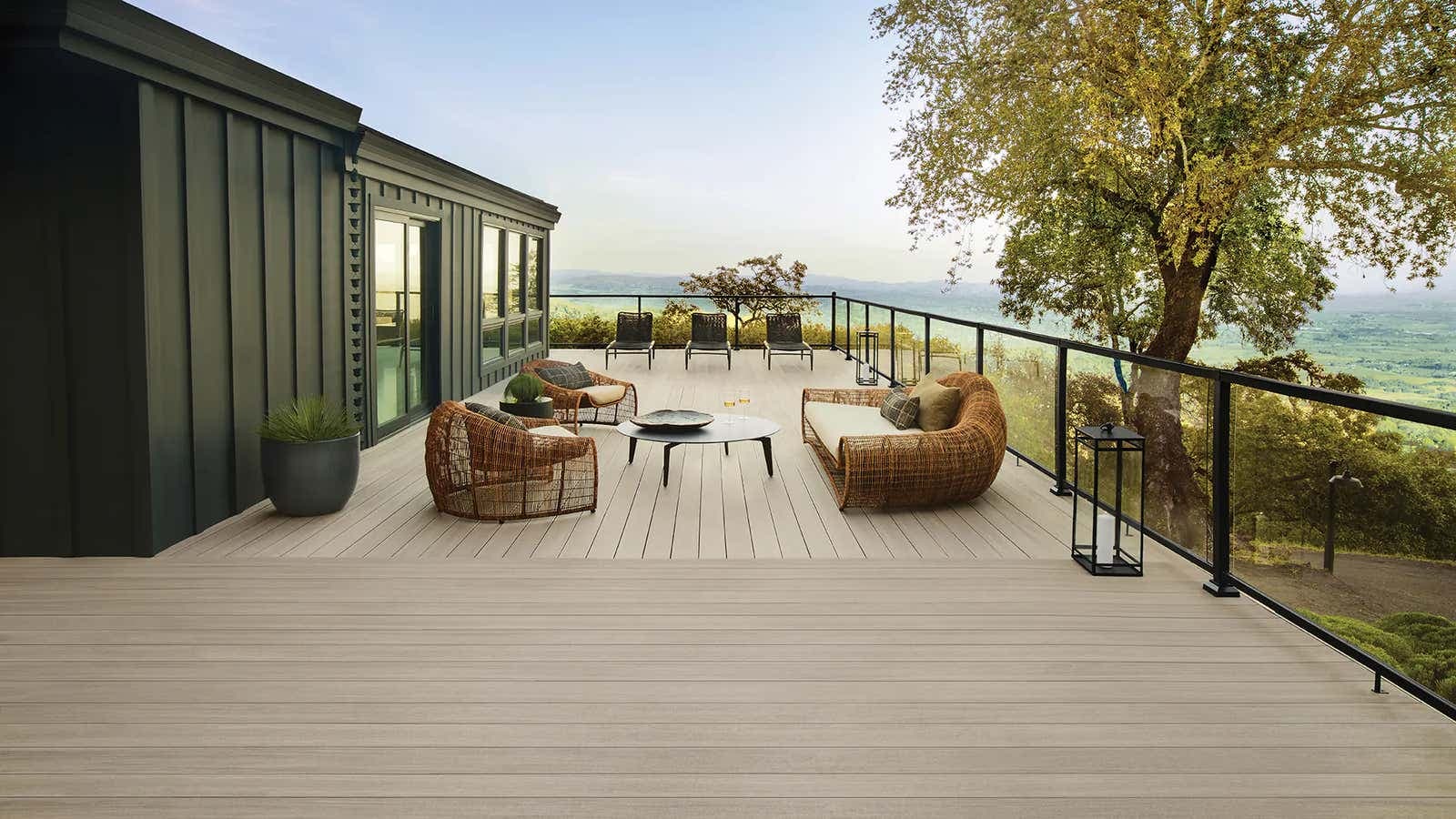
Understanding the Constraints of Compact Spaces
A compact outdoor space presents unique challenges and opportunities. Limited square footage means that every design choice has a magnified impact. Considerations such as traffic flow, furniture placement, and the visual weight of materials become paramount. For instance, a bulky railing or a dark, visually heavy deck surface can make a small area feel even smaller. Conversely, thoughtful material selection and layout can create an illusion of spaciousness and enhance functionality.
Access for installation and future maintenance is also a key factor. In a tight balcony or a small urban backyard, maneuverability for installers and equipment can be restricted. Choosing materials that are easier to handle and install, or that require minimal ongoing maintenance, can simplify the project and reduce disruption.
Choosing the Right Composite Decking Collection
Composite decking from brands like Trex, TimberTech, and Fiberon offers various collections, each with distinct features suitable for different project needs. For compact spaces, consider collections that prioritize durability, ease of cleaning, and a consistent appearance over time.
Capped composite boards, for example, feature a protective polymer shell that resists fading, staining, and moisture. This is especially beneficial in smaller areas where spills or concentrated foot traffic might be more noticeable. These collections typically require only a soap-and-water wash for maintenance, which is convenient for spaces that might be difficult to access for more intensive cleaning. Some lines offer cooler-underfoot options, which can be a comfort advantage in sun-exposed compact areas.
Reviewing the specific features of each collection will help align your choice with your project's environmental conditions and desired maintenance level. For example, Trex often features up to 95% recycled content, appealing to those with sustainability in mind, while other brands focus on specific aesthetic or performance attributes. Always confirm current lines and colors with a local branch.
Board Profiles and Dimensions for Visual Impact
The profile and dimensions of composite decking boards can significantly influence the perception of space. For compact areas, narrower boards can sometimes create a sense of expansiveness, as the increased number of lines can draw the eye and make the area feel longer or wider. Conversely, very wide boards might make a small deck feel somewhat compressed.
Standard composite decking boards typically come in various lengths. For a compact space, planning your layout to minimize seams can contribute to a cleaner, more continuous look. While composite decking is dimensionally stable, understanding the specific board lengths available and how they align with your project dimensions is crucial for efficient material use and a cohesive finished appearance. Consider how fascia and edge finishes will integrate to provide a clean, finished perimeter without adding visual bulk.
Color and Finish: Light vs. Dark Tones
Color choice is a powerful tool in design, especially in compact spaces. Lighter-colored composite decking can reflect more light, making a small area feel brighter and more open. Light tones often blend more seamlessly with surrounding elements, creating a less defined boundary that can visually expand the space. They also tend to be cooler underfoot, which is a practical benefit for sunny balconies or patios.
Darker colors, while elegant, can absorb more heat and may make a small space feel more enclosed. However, they can also provide a strong contrast and a sophisticated backdrop for furniture and plantings. The choice between light and dark often comes down to personal preference, the amount of direct sunlight the space receives, and the overall aesthetic you wish to achieve. Many composite decking lines offer consistent color and grain, ensuring a uniform look board after board.
Worked Example: A 6-foot by 10-foot Balcony Deck
Let's consider a hypothetical balcony measuring 6 feet wide by 10 feet long, resulting in 60 square feet of deck surface. For this compact space, we aim for minimal waste and a visually expansive feel using composite decking boards that are 5.5 inches wide by 12 feet long.
To cover the 10-foot length, a single 12-foot board can be cut to 10 feet, leaving a 2-foot offcut. Since the boards are 5.5 inches wide, approximately 13 boards (6 feet / 5.5 inches = 13.09 boards) will be needed across the 6-foot width. Therefore, you would need to purchase 13 boards, each 12 feet long. The total lineal footage required is 13 boards * 12 feet/board = 156 lineal feet. The offcuts from the 10-foot cuts are 2 feet each. If these offcuts are reusable for other parts of the project, such as a small border or blocking, they can be factored in, but for primary decking, they are typically waste.
Choosing a light gray or tan composite color would enhance the feeling of openness. The consistent appearance of composite boards ensures a uniform look, and the low maintenance requirement is ideal for a balcony where extensive cleaning might be cumbersome. For this scenario, a capped composite board would be a practical choice due to its resistance to staining and ease of cleaning, ensuring the balcony remains pristine with minimal effort.
Before you order
- Measure your compact space precisely, noting any irregular angles or obstructions.
- Consider the primary function of the space (dining, lounging, plants) to guide material choice.
- Evaluate composite decking collections for durability, maintenance, and specific features like cooler-underfoot options.
- Decide on board width and length to optimize material use and visual flow.
- Select a color and finish that complements your home's exterior and desired ambiance.
- Plan for any necessary substructure, ensuring it meets local building requirements and supports the decking.
- Factor in fascia and trim pieces for a polished, finished look.
- Confirm local availability and delivery options for your chosen materials.
- Obtain a material quote based on your exact dimensions and chosen profiles.
Confirm installation details, approved uses and warranty terms in the current instructions for the exact product and profile. Your installer should verify the substrate, structure and applicable project requirements.
This is a planning guide for projects in Denver, CO. Ask our team to confirm availability, delivery to your ZIP code and which branch can support your order.
Questions to help you decide
Can composite decking be installed on a balcony?
Yes, composite decking is often suitable for balconies. It's important to ensure the existing balcony structure can support the weight of the decking material, and that proper drainage is maintained. Verify the specific installation requirements for your chosen composite decking product and consult local building codes for balcony applications.
How does composite decking handle sun exposure in compact spaces?
Composite decking is engineered to resist fading and UV damage. For compact spaces with significant sun exposure, selecting a capped composite board with fade-resistant properties is recommended. Lighter colors can also help keep the surface cooler underfoot compared to darker shades. Consult product specifications for details on fade and stain warranties.
What maintenance is required for composite decking in a small area?
One of the key advantages of composite decking, particularly for compact spaces, is its low maintenance. Most composite decking requires only an annual wash with soap and water to remove dirt and debris. Unlike wood, it does not require sanding, staining, or oiling. This makes it a convenient choice for areas where extensive maintenance might be challenging due to limited access.
Start Planning Your Compact Outdoor Space with Composite Decking
Ready to transform your balcony, patio, or small deck? Request a material quote today by providing your project dimensions, desired composite decking profile, and project ZIP code. We can help you confirm current availability and service options for your area.
Request a material quote →