Understanding Garapa Hardwood for Terrace Applications
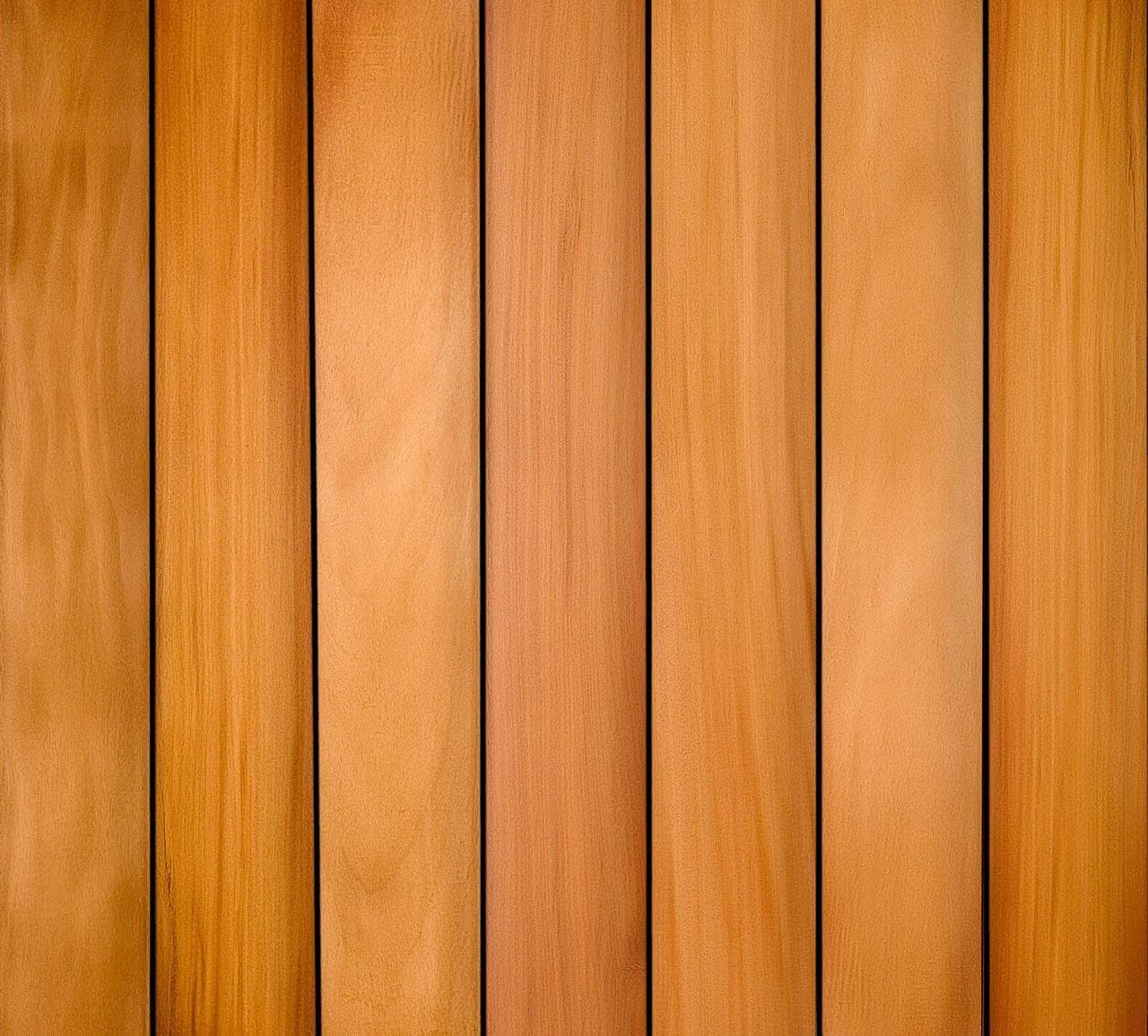
Garapa (Apuleia leiocarpa) is a hardwood originating from Brazil, known for its distinct golden hue. This natural color can lend a warm and inviting atmosphere to any terrace. Beyond its visual appeal, Garapa is noted for its durability, offering natural resistance to rot, decay, and certain insects. This natural resilience means it does not inherently require constant chemical treatments to resist mold and decay.
The wood's air dry density is approximately 4.11 lbs/bf, indicating a dense material. It is also described as scratch and slip resistant, with minimal splintering. These attributes make it a practical consideration for outdoor areas that experience foot traffic. While durable, working with Garapa requires sharp tools due to its density and interlocking grain. It resists nailing and screwing, suggesting pre-drilling is often necessary for secure fastening. However, it glues easily, which can be a factor in certain joinery applications. Garapa also has a fire rating, which can be an important consideration for building codes and safety.
Designing Your Little Rock Terrace with Garapa
A terrace design in Little Rock needs to consider both local climate conditions and the functional requirements of the space. Garapa's golden color offers a versatile base for various design schemes, from contemporary to more traditional. When planning your terrace, consider how the decking will integrate with existing structures, landscaping, and the flow of your outdoor living area. The warmth of Garapa can create a welcoming transition from indoors to out.
Terraces often feature multiple zones for dining, lounging, or entertaining. The consistent golden tone of Garapa can provide a unified aesthetic across these zones. Consider the orientation of the boards to enhance the sense of space or direct visual lines. For example, running boards parallel to the longest dimension of a terrace can make the space feel larger, while a diagonal pattern can add visual interest. The available profiles for Garapa decking, typically 5/4"x6" (1" x 5.5" finished), should be factored into your layout calculations. Grooved options may also be available for specific fastening systems.
Material Selection: Profiles and Quantities
Garapa decking is commonly available in a 5/4"x6" profile, which translates to a finished dimension of approximately 1" x 5.5". It is also often offered with a grooved option, which can be compatible with certain hidden fastener systems. Lengths typically range from 3 to 24 feet, allowing for flexibility in design and minimizing waste, especially for larger terraces. When selecting boards, consider the desired aesthetic and structural requirements. Kiln-dried (KD) material is generally preferred for stability.
To estimate material quantities, begin by measuring the precise dimensions of your terrace area. For a rectangular terrace, multiply the length by the width to get the total square footage. Then, account for board width and spacing. Always add an overage, typically 10-15%, to account for cuts, waste, and any potential future repairs. This is particularly important for hardwood decking where natural variations in grain or color might lead to some boards being set aside for less prominent areas.
Worked Example: Estimating Garapa for a Terrace Section
Let's consider a hypothetical terrace section measuring 10 feet by 15 feet. This gives us a total area of 150 square feet. If we plan to use 5/4"x6" Garapa decking boards, which are approximately 5.5 inches (or 0.458 feet) wide, we need to calculate how many linear feet of decking are required.
First, determine the number of boards needed across the 10-foot width. Divide the 10-foot width by this effective width: 10 ft / 0.4684 ft/board = 21.35 boards. Since you can't buy partial boards, round up to 22 boards. Each of these boards would need to be 15 feet long. So, 22 boards * 15 feet/board = 330 linear feet. Adding a 15% waste factor for cuts and selection: 330 linear feet * 1.15 = 379.5 linear feet. Therefore, you would look to purchase approximately 380 linear feet of Garapa decking for this section, considering available lengths to minimize cuts and waste. This is a simplified example; actual project dimensions and specific installation guidelines for spacing should always be used for precise calculations.
Maintenance and Longevity in Little Rock's Climate
Garapa's natural resistance to rot, decay, and insects contributes to its longevity, making it a suitable choice for Little Rock's climate, which experiences a range of temperatures and humidity levels. While Garapa does not require constant chemical treatments, routine cleaning is recommended to remove dirt, debris, and pollen that can accumulate on outdoor surfaces. This helps prevent the growth of mold and mildew, maintaining the wood's appearance.
Over time, Garapa's golden color will naturally weather to a silvery-gray patina if left untreated. For those who prefer to retain the original golden hue, periodic application of a UV-inhibiting oil finish is necessary. This finish helps protect the wood from sun exposure and can enhance its appearance. It is crucial to use products specifically designed for hardwood decking and to follow the manufacturer's instructions for application and frequency. Always test any cleaning or finishing product on an inconspicuous area first.
Before you order
- Confirm terrace dimensions and layout plan.
- Decide on board orientation (e.g., parallel, diagonal).
- Choose between standard or grooved profile (5/4"x6").
- Calculate linear footage needed, including waste factor.
- Consider desired finished appearance: natural patina or maintained golden color.
- Review fastening method (face-fastened or hidden fasteners).
- Plan for proper ventilation beneath the deck surface.
- Research compatible cleaning and finishing products.
- Obtain a material quote with exact specifications and ZIP code.
Confirm installation details, approved uses and warranty terms in the current instructions for the exact product and profile. Your installer should verify the substrate, structure and applicable project requirements.
This is a planning guide for projects in Little Rock, AR. Ask our team to confirm availability, delivery to your ZIP code and which branch can support your order.
Questions to help you decide
What color is Garapa decking?
Garapa decking is known for its distinct golden color. This natural hue can add warmth and elegance to outdoor spaces. If left untreated, the wood will gradually weather to a silvery-gray patina over time.
Does Garapa decking require special maintenance?
Garapa has natural resistance to rot, decay, and insects, meaning it doesn't require constant chemical treatments. However, routine cleaning to remove debris and, if desired, periodic application of a UV-inhibiting oil can help maintain its golden color and overall appearance.
Is Garapa decking suitable for all climates?
Garapa is a very durable hardwood resistant to weather changes, making it suitable for a range of climates. Proper installation and maintenance practices are still essential for optimal performance in any local conditions.
Ready to Plan Your Garapa Terrace in Little Rock?
Begin your terrace project by requesting a material quote. Provide your project dimensions, desired Garapa profile (e.g., 5/4"x6" standard or grooved), and your ZIP code to confirm current availability and service options. Our team can assist with material selection for your specific design.
Request a material quote →