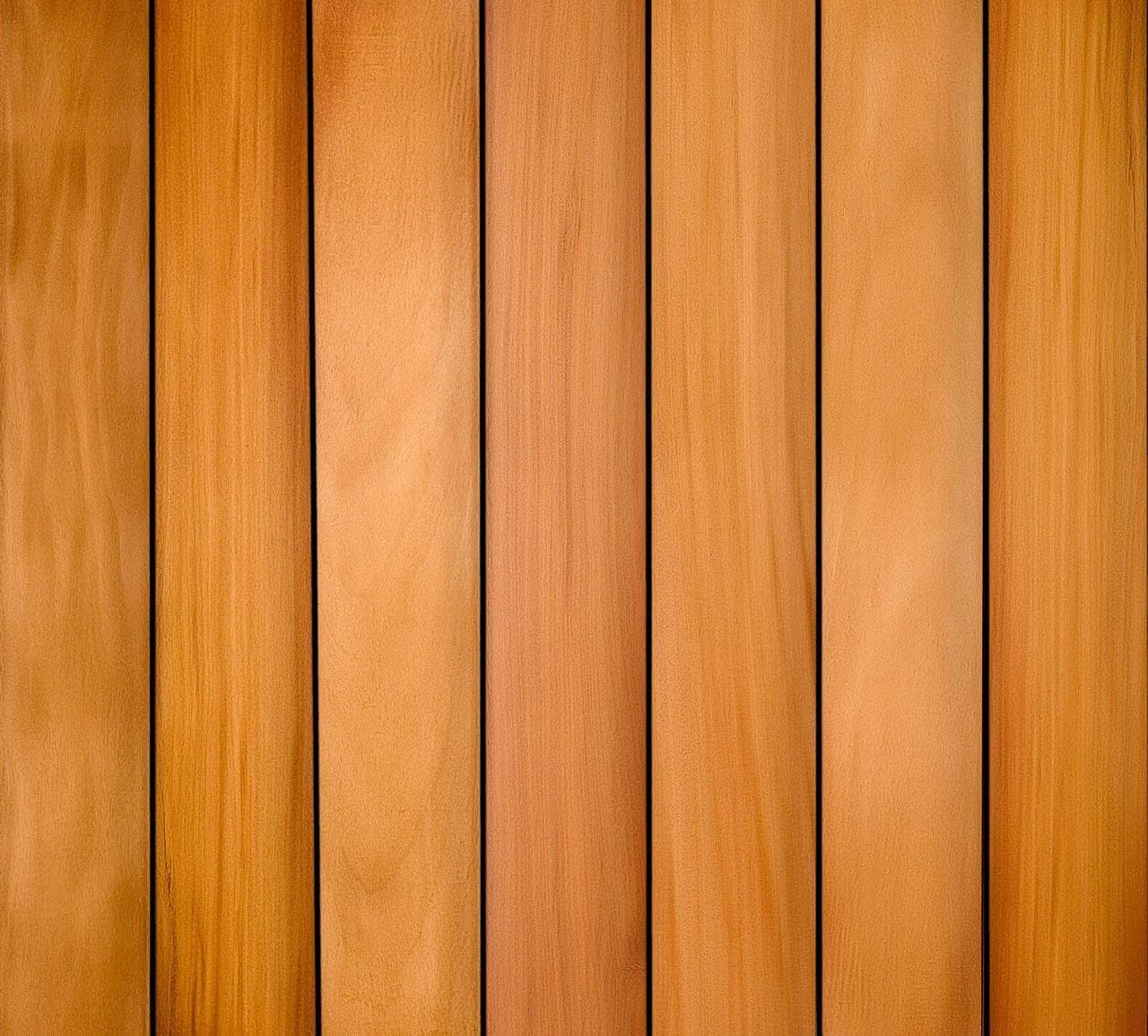
The Appeal of Garapa for Terrace Designs
Garapa, also known as Brazilian Ash, is a tropical hardwood recognized for its golden color. This natural hue can provide a warm and inviting foundation for a terrace, blending with both modern and traditional architectural styles. Its appearance often deepens over time, or can be maintained with appropriate finishes.
Beyond its aesthetic, Garapa is known for its durability. It offers natural resistance to rot, decay, and insects, which can be a key factor in outdoor applications. This inherent resistance means it does not require constant chemical treatments to withstand common environmental challenges. It is also noted for being scratch and slip resistant, with minimal splintering, making it a practical choice for high-traffic terrace areas.
Designing Your Terrace Layout with Garapa
A terrace design begins with understanding the space's function and flow. For a Boise, ID terrace, consider how the deck will integrate with existing landscaping, house access points, and desired activity zones such as dining, lounging, or gardening. Garapa's golden color can serve as a neutral backdrop or a prominent feature, depending on your vision.
When planning the layout, think about board direction. Running boards parallel to the longest dimension of the terrace can create a sense of spaciousness, while a diagonal pattern can add visual interest. Picture-frame borders can define the edge of the terrace and provide a finished look. Consider how these design elements will impact material quantities and potential waste from cuts. The consistent profile of Garapa boards allows for uniform spacing, which is critical for proper drainage and ventilation beneath the deck surface. (S1)
Material Selection and Quantity Planning
Once your terrace design is conceptualized, accurate material quantity planning is essential. Garapa decking is typically available in 5/4"x6" (actual 1" x 5.5") boards. To calculate the number of boards needed, first determine the total square footage of your terrace. Then, account for board width and standard spacing between boards.
For example, if you plan a 10-foot by 15-foot terrace, the area is 150 square feet. A 5.5-inch wide board (0.458 feet) would mean approximately 2.18 boards per linear foot of width. For a 10-foot width, you'd need about 22 boards (10 / 0.458). If your boards are 15 feet long, you'd need 22 boards * 15 feet = 330 linear feet. However, always add a waste factor, typically 10-15%, to account for cuts, imperfections, and future repairs. This would bring the total to around 363-379.5 linear feet, which you would then convert into full board lengths available (e.g., 16-foot or 20-foot sections). Always verify the exact board dimensions and available lengths when requesting a quote. (S1)
Understanding Installation Considerations
Garapa's density means it is resistant to nailing and screwing, so pre-drilling is generally recommended for fasteners to prevent splitting. While it glues easily, for decking applications, mechanical fasteners are standard. Options include face-fastening with screws or using hidden fastener systems that fit into grooved board profiles, if available. Proper ventilation beneath the deck is crucial for the longevity of any wood decking, including Garapa, to prevent moisture buildup.
Terrace projects, especially those on grade or with limited clearance, require careful attention to sub-structure and drainage. Ensure the area under the deck allows for adequate airflow and water runoff. This is particularly important in climates with seasonal temperature shifts, such as Boise, ID, where moisture management can impact the decking's performance over time. Consult with your installer or local building codes for specific requirements regarding deck construction and ventilation. (S1)
Maintenance and Long-Term Appearance
Garapa decking is known for its low maintenance requirements; it does not need constant chemical treatments. However, like all natural wood, its appearance will change over time. If left untreated, Garapa will gradually weather to a silver-gray patina. Many homeowners find this natural aging desirable.
To maintain Garapa's golden color, periodic application of a UV-inhibiting oil finish is recommended. This also helps protect the wood from the elements. Regular cleaning to remove dirt, leaves, and other debris will help prevent mildew growth and keep the surface looking its best. Always use cleaning products compatible with hardwood decking. (S1)
Before you order
- Confirm terrace dimensions and desired layout (straight, diagonal, picture-frame).
- Calculate estimated linear footage, adding a waste factor (10-15%).
- Decide on the desired long-term appearance: natural silver-gray patina or maintained golden color with UV oil.
- Review sub-structure requirements for proper ventilation and drainage in your specific terrace location.
- Consult with an installer regarding fastening methods (face-fastening vs. hidden fasteners) and pre-drilling needs.
- Plan for delivery and on-site storage to protect the material before installation.
Confirm installation details, approved uses and warranty terms in the current instructions for the exact product and profile. Your installer should verify the substrate, structure and applicable project requirements.
This is a planning guide for projects in Boise, ID. Ask our team to confirm availability, delivery to your ZIP code and which branch can support your order.
Questions to help you decide
How long does Garapa decking typically last?
This is due to its natural resistance to rot, decay, and insects, which reduces the need for constant chemical treatments. (S1)
Will Garapa decking retain its golden color?
Garapa has a natural golden color. If left untreated, it will gradually weather to a silver-gray patina over time. To maintain its original golden hue, periodic application of a UV-inhibiting oil finish is recommended. (S1)
Is Garapa decking difficult to install?
Garapa is a dense hardwood. While it is generally considered easy to work with by professionals, its density means that pre-drilling is usually necessary for fasteners to prevent splitting. It also glues easily. For decking, proper fastening and sub-structure ventilation are key. (S1)
Ready to Plan Your Garapa Terrace in Boise, ID?
Request a material quote for your project. Provide your project dimensions, desired Garapa profile, and ZIP code to confirm current availability and service options for your Boise, ID location. Explore our full range of decking options, including Garapa, Ipe, composite, and PVC materials.
Request a material quote →