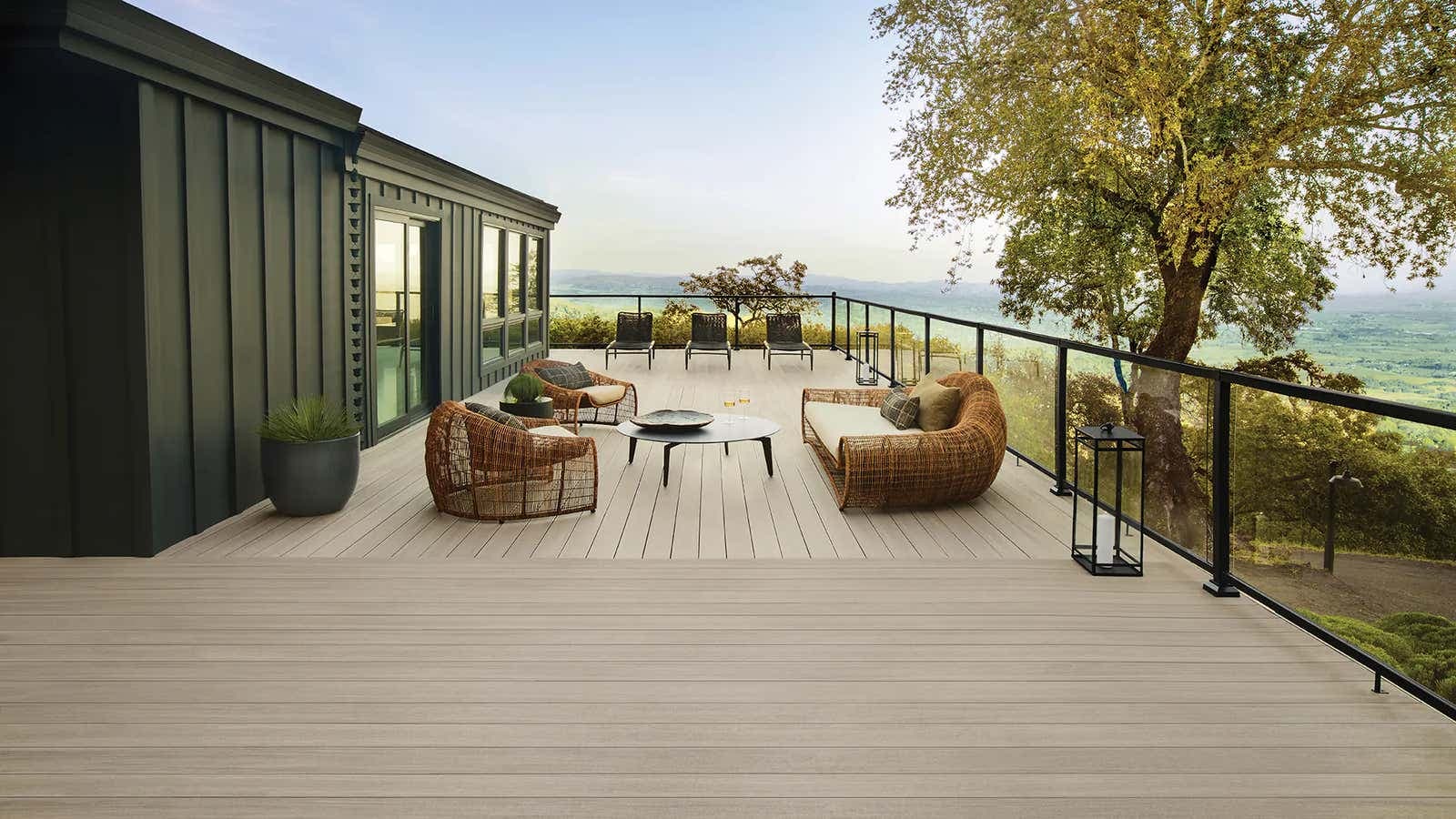
Maximizing Usable Space in Compact Areas
In compact outdoor spaces, every square foot matters. Composite decking allows for designs that prioritize usable area. For example, a simple, uncluttered deck surface can make a small space feel larger than a complex, multi-level design. Consider the primary function of your compact space: is it for a small bistro set, a container garden, or a quiet reading nook? This will guide your layout decisions.
Choosing a consistent board width and a parallel layout can visually extend a narrow space. Avoid overly intricate patterns or diagonal layouts unless you are intentionally creating a focal point in a very small, square area. The goal is to create a sense of flow and openness, even within a limited footprint.
Selecting Composite Decking Profiles and Colors
Composite decking from manufacturers like Trex, TimberTech, and Fiberon offers a range of profiles and colors that can influence the perception of space. Lighter colors can make a compact area feel more expansive and reflect more light, which is beneficial in shaded courtyards. Darker colors can create a sophisticated, intimate feel, but may absorb more heat.
When considering board profiles, standard widths are often suitable for compact spaces. Extremely wide boards might look disproportionate in a very small area, while very narrow boards could introduce too many visual lines, making the space feel busy. A capped composite board can offer enhanced stain resistance and color retention, which is valuable in high-traffic, smaller areas.
Cooler-underfoot options are available in some composite decking lines, which can be a comfort consideration if your compact space receives significant sun exposure, as is common in many Boise outdoor settings.
Planning for Project Access and Material Handling
One practical challenge with compact outdoor spaces, especially those on upper floors or within enclosed yards, is material delivery and access. Large, long decking boards can be difficult to maneuver through narrow gates, stairwells, or elevators. Before ordering, measure all access points from the delivery truck to the project site.
Composite decking is typically quoted by collection, color, profile, quantity, and project ZIP. When planning your order, discuss potential access limitations with your supplier. They may be able to advise on board lengths that are easier to handle for your specific site. Be prepared to potentially cut boards to size on-site, which requires space for a saw and safety considerations.
Substructure and Drainage Considerations
Even in a compact space, the deck's substructure is crucial. Ensure the existing surface or framing can adequately support the new composite decking. Proper drainage is especially important in smaller, often enclosed areas, to prevent water accumulation and ensure the longevity of both the deck and the underlying structure. An annual wash with soap and water is generally recommended for composite decking.
For ground-level applications, ensure there is adequate ventilation beneath the deck to prevent moisture buildup. If building over a concrete patio, consider a sleeper system to allow for airflow and drainage. Always follow the manufacturer's specific installation guidelines for gap spacing and support requirements to ensure proper performance.
Worked Example: A Boise Balcony Deck
Imagine a 6-foot by 10-foot balcony in a Boise apartment, intended for a small bistro table and two chairs. The goal is to create a low-maintenance, aesthetically pleasing surface. We choose a standard 12-foot length composite decking board, which is 5.5 inches wide, to minimize waste and seams. The balcony is accessed via a sliding glass door, so full-length boards can be carried in.
To cover a 6-foot width (72 inches) with 5.5-inch boards, we would need 72 / 5.5 = 13.09 boards. Rounding up, we'd need 14 boards for the width. For a 10-foot length, we would use 12-foot boards, cutting 2 feet off each. This means 14 boards, each 12 feet long, for a total of 168 linear feet. The offcuts (2 feet per board) could potentially be used for shorter sections or trim if needed, but for a simple rectangle, they would likely be waste. Always add a small percentage for cuts and potential errors.
The estimated area is 60 square feet. If the boards are sold individually, you would purchase 14 pieces of the 12-foot length. If sold by the square foot, confirm the coverage per board and calculate accordingly. This simple layout minimizes cuts and enhances the perception of space.
Before you order
- Measure your compact space precisely: length, width, and height clearances.
- Assess all access points for material delivery: gates, doorways, stairwells, elevators.
- Determine the primary function of your compact space (dining, lounging, gardening).
- Consider lighter composite decking colors for a more expansive feel.
- Choose standard board widths to maintain visual balance in small areas.
- Verify the existing substructure's condition and support capacity.
- Plan for adequate drainage and ventilation, especially for ground-level installations.
- Confirm manufacturer's recommended board spacing and fastening methods.
- Estimate material quantities, adding a buffer for cuts and waste.
- Review options for cooler-underfoot composite decking if the area is sun-exposed.
Confirm installation details, approved uses and warranty terms in the current instructions for the exact product and profile. Your installer should verify the substrate, structure and applicable project requirements.
This is a planning guide for projects in Boise, ID. Ask our team to confirm availability, delivery to your ZIP code and which branch can support your order.
Questions to help you decide
Can composite decking be installed directly over an existing concrete patio?
Yes, composite decking can often be installed over an existing concrete patio, but it typically requires a sleeper system. This system creates a gap between the concrete and the deck boards, allowing for crucial drainage and ventilation. Without proper airflow and drainage, moisture can accumulate, potentially affecting the decking and promoting mold or mildew. Always refer to the specific manufacturer's installation guidelines for details on suitable substructures and spacing.
How do I clean composite decking in a compact space?
Composite decking generally requires minimal maintenance. A simple wash with soap and water is often sufficient to keep it clean. For more stubborn dirt or stains, consult the manufacturer's recommendations for compatible cleaning products. Avoid abrasive cleaners or high-pressure washers unless specifically approved, as these can damage the surface. Regular cleaning helps maintain its appearance and can be easily done even in a small area.
Are there specific composite decking options for shaded compact spaces?
For shaded compact spaces, lighter-colored composite decking can help brighten the area by reflecting more ambient light. While composite decking is resistant to rot and insect damage, proper ventilation beneath the deck remains important in shaded, potentially damp conditions to prevent moisture buildup. Some manufacturers offer capped composite boards which provide enhanced resistance to mold and mildew on the surface, which can be beneficial in less sunny environments.
Ready to Plan Your Compact Outdoor Space with Composite Decking?
Request a material quote today. Provide your project dimensions, desired composite decking profile, and project ZIP code to confirm current availability and service options for your Boise, ID location. Explore our range of composite decking options from leading brands like Trex, TimberTech, and Fiberon.
Request a material quote →