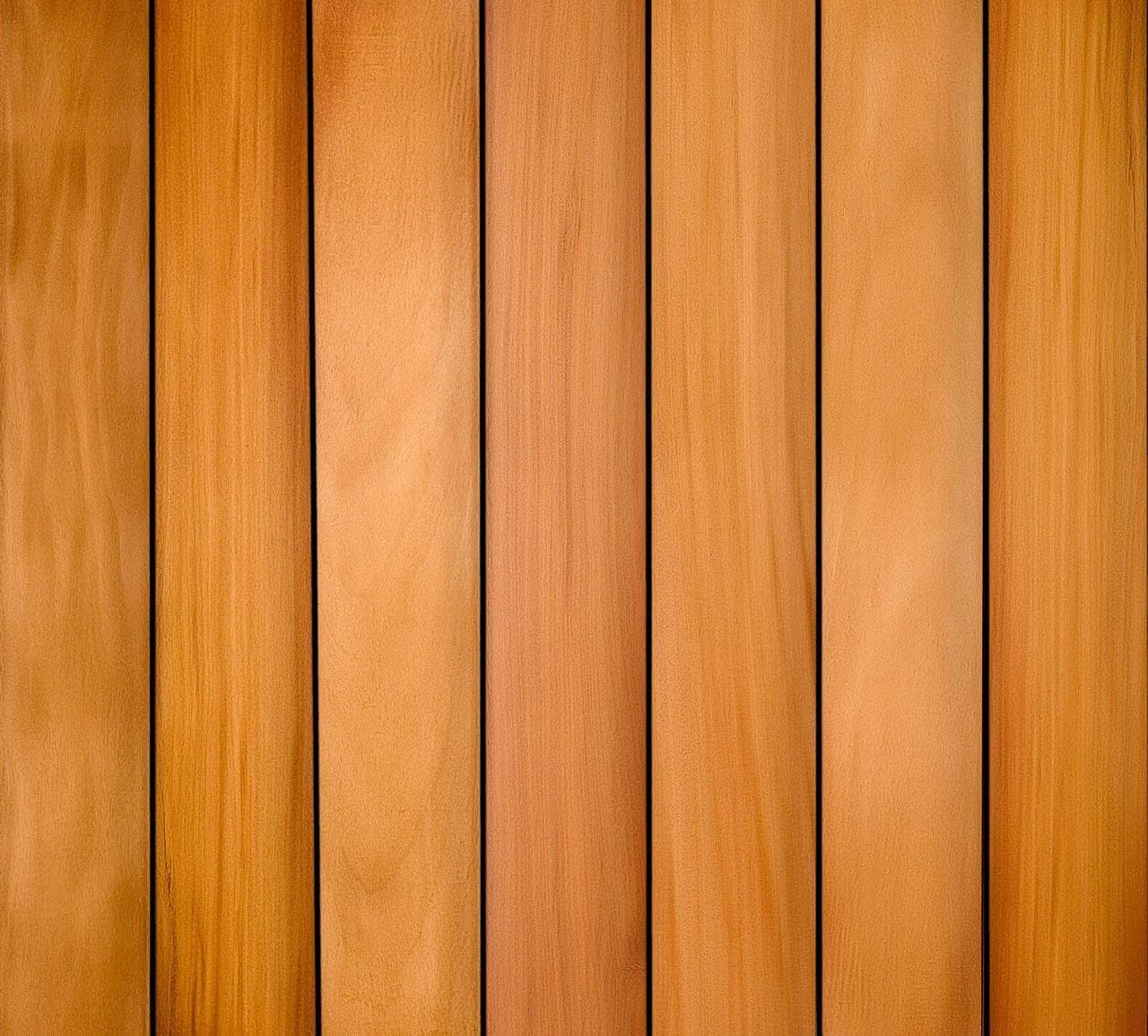
Understanding Garapa Hardwood for Terrace Applications
Garapa, also known as Brazilian Ash, is a tropical hardwood sourced from Brazil. It is characterized by its golden color, which can deepen over time if left untreated or maintain its original hue with regular UV protective finishes. This wood is naturally dense, contributing to its reputation for durability in outdoor settings.
For terrace applications, Garapa's natural resistance to rot, decay, and insects is a significant advantage, reducing the need for constant chemical treatments. Its attributes make it a practical material for elevated structures that require long-term performance and minimal maintenance to withstand environmental exposure. The wood is also noted for being resistant to weather changes, which is relevant for Atlanta's varied seasonal conditions.
When considering Garapa for a terrace, evaluate its appearance against your desired aesthetic. The golden tones can create a bright, contemporary feel or complement traditional designs, depending on the surrounding materials and landscaping. Physical samples can help confirm the color and grain pattern in your project's specific lighting conditions.
Terrace Design Considerations: Layout and Board Profiles
A terrace layout often involves specific dimensions and structural requirements that differ from ground-level decks. Planning the board layout is crucial for both aesthetics and efficient material use. Garapa decking is typically available in a 5/4"x6" (1" x 5.5" actual) profile, with some options for grooved edges for hidden fastening systems. Board lengths range from 3 to 24 feet.
For a terrace, consider how board lengths will align with the overall dimensions of the space. A common approach is to use longer boards to minimize seams, creating a more continuous look. However, shorter boards can be utilized strategically for patterns or to reduce waste, especially in irregularly shaped areas. For instance, a small, square terrace might benefit from a diagonal layout, which can make the space feel larger and add visual interest.
Think about the orientation of the boards. Running them parallel to the longest side of the terrace can enhance the sense of depth, while perpendicular placement can visually widen the space. Picture-frame borders can also be incorporated to define the perimeter and provide a finished edge, especially where the terrace meets a building or railing system. When designing a border, remember that it requires additional cuts and careful planning for seamless transitions.
Material Takeoff Example: A Hypothetical Atlanta Terrace
Let's consider a hypothetical rectangular terrace project in Atlanta measuring 12 feet by 18 feet. The desired layout is a straightforward parallel installation with boards running along the 18-foot length, and a single picture-frame border around the perimeter. We'll use 5/4"x6" (1" x 5.5" actual) Garapa decking boards.
First, calculate the total area: 12 feet * 18 feet = 216 square feet. The actual width of each board is 5.5 inches, or approximately 0.458 feet. To cover the 12-foot width, you'd need 12 feet / 0.458 feet/board ≈ 26.2 boards. Since we can't buy partial boards, round up to 27 boards for the main field.
For the 18-foot length, using 18-foot boards would be ideal to avoid seams. So, we'd need 27 boards at 18 feet long for the main field. For the picture frame, the outer perimeter is (12 + 12 + 18 + 18) = 60 linear feet. If we assume a single board width for the frame, we'd need additional boards. Given the 5.5-inch width, an 18-foot board provides 18 linear feet. For the 60 linear feet, we would need 60 / 18 = 3.33 boards, rounded up to 4 boards. This is a simplified calculation; actual cuts for mitered corners and specific border designs would require more detailed planning and account for waste.
Total material needed for this example: 27 boards x 18 feet long, plus 4 additional boards (which would be cut to form the border). Always add a waste factor, typically 10-15%, for cuts, mistakes, and future repairs. For this project, a 10% waste factor would add approximately 3 boards to the total purchase quantity. Remember that this example assumes specific board lengths are available and does not account for specific joist spacing or fastening systems.
Fastening Systems and Installation Considerations
The choice of fastening system impacts both the aesthetics and long-term performance of your Garapa terrace. Options generally include visible face-fasteners or concealed fastening systems. Face-fastening involves screwing through the face of the board into the joists, often using stainless steel screws. This method is straightforward and robust, but the screw heads will be visible.
Hidden fastening systems create a smooth, uninterrupted surface by securing boards from the sides or underneath. Many Garapa boards are available with a grooved profile specifically designed to accept hidden clips. This option provides a clean look but may require specific tools and careful installation to ensure proper board spacing and secure attachment.
Regardless of the fastening method, proper ventilation beneath the terrace is critical, especially in Atlanta's humid climate. Adequate airflow helps prevent moisture buildup, which can contribute to mold, mildew, and potential wood movement. Ensure that the terrace design allows for air circulation around and beneath the decking boards. Consult manufacturer guidelines for specific spacing recommendations between boards to accommodate natural expansion and contraction.
Maintenance and Longevity of Garapa Decking
Garapa hardwood is known for its durability and relatively low maintenance requirements. It possesses natural resistance to rot, decay, and insects, which means it doesn't necessitate constant chemical treatments to maintain its integrity.
To preserve Garapa's golden color, regular application of a UV-inhibiting oil finish is recommended. If left untreated, Garapa will naturally weather to a silver-gray patina over time, a process common to many hardwoods. This weathering does not compromise the wood's structural integrity but alters its appearance. The decision to maintain the original color or allow it to weather is a personal aesthetic choice.
Routine cleaning involves sweeping away debris and occasional washing with water and a mild, pH-neutral cleaner. Avoid harsh chemicals or pressure washers that can damage the wood surface. Promptly address any spills or stains to prevent them from setting. Proper maintenance helps ensure your Garapa terrace remains an inviting outdoor space for years to come.
Before you order
- Confirm terrace dimensions and structural support.
- Decide on desired Garapa board profile (e.g., 5/4"x6" smooth or grooved).
- Choose between a face-fastened or hidden fastening system.
- Determine board layout (parallel, diagonal, picture frame border).
- Account for a waste factor (10-15%) in material calculations.
- Plan for adequate ventilation beneath the terrace.
- Consider the desired finished appearance: natural weathering or maintained golden tone with UV protection.
- Review local building codes or HOA requirements for terrace construction in Atlanta, GA.
Confirm installation details, approved uses and warranty terms in the current instructions for the exact product and profile. Your installer should verify the substrate, structure and applicable project requirements.
This is a planning guide for projects in Atlanta, GA. Ask our team to confirm availability, delivery to your ZIP code and which branch can support your order.
Questions to help you decide
What is the typical lifespan of Garapa decking?
This durability makes it a long-lasting choice for outdoor applications like terraces.
Does Garapa decking require special chemical treatments?
No, Garapa does not require constant chemical treatments or maintenance to withstand mold and decay. Its natural properties provide resistance to these common issues. However, if you wish to preserve its golden color, a UV-inhibiting oil finish should be applied periodically.
Can Garapa decking be installed with hidden fasteners?
Yes, Garapa decking is available with a grooved profile that is compatible with hidden fastening systems. This allows for a smooth, fastener-free deck surface. Alternatively, it can also be installed using visible face-fasteners.
Request a Quote for Your Garapa Terrace Project
Ready to bring the golden warmth of Garapa to your Atlanta terrace? Request a material quote by providing your project dimensions, desired Garapa profile, and ZIP code. We'll help confirm current availability and service options for your project.
Request a material quote →