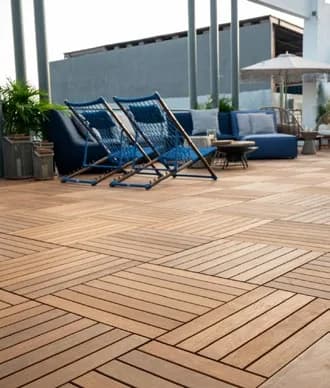
Understanding Your Existing Rooftop or Balcony Structure
Before selecting any deck tiles, it is crucial to understand the structural capabilities of your rooftop or balcony. This includes assessing the current load-bearing capacity, the condition of the underlying surface, and existing drainage systems. For rooftops, verifying the integrity of the waterproofing membrane is paramount. Any structural or waterproofing issues must be addressed before installing deck tiles.
Balconies often have specific weight limitations, especially in older buildings or condominiums. Consult with a structural engineer or your building's management to confirm the permissible live and dead loads. This information will influence your choice of deck tile material and any supporting systems.
Measuring Door Thresholds and Vertical Clearance
The finished height of your deck tile system must be below the bottom of any doors to allow for proper operation and to prevent water intrusion. Measure the distance from the existing surface to the bottom of the door frame or threshold.
The goal is to achieve a level surface that is slightly below the threshold, typically allowing for a small gap for drainage and door swing. This measurement is critical for determining if a pedestal system is viable or if a lower-profile interlocking tile is more suitable.
Planning for Drainage and Water Management
Effective drainage is essential for any outdoor surface, but it is especially critical on rooftops and balconies to prevent water pooling and protect the underlying structure. Most rooftops and balconies are designed with a slight slope to direct water towards drains or scuppers. Your deck tile installation must respect and maintain this existing slope and drainage path.
Avoid blocking drains or creating areas where water can accumulate. If using a pedestal system, ensure that the pedestals allow for unimpeded water flow beneath the tiles. For interlocking tiles, confirm their drainage properties and consider adding a permeable underlayment if necessary to facilitate water movement away from the building.
In Atlanta's climate, with its potential for heavy rainfall, ensuring efficient water runoff is vital to the longevity of both your deck tiles and the underlying structure.
Choosing the Right Deck Tile Material
Lumber Plus offers deck tiles in various hardwood species, each with distinct characteristics suitable for different project needs. Your choice will depend on aesthetics, durability requirements, and budget.
Ipe deck tiles offer deep chocolate tones and are known for their exceptional hardness. Garapa provides warm golden tones, brightening up terraces and balconies. Cumaru presents a rich reddish-brown grain, combining strength with tropical hardwood character. All are available in 12x12 inch or 24x24 inch formats, with the 12x12 size being suitable for smaller areas or complex layouts, and the 24x24 size for larger, more open surfaces.
Consider the exposure of your Atlanta outdoor space to sun and rain. Hardwood deck tiles are durable, but regular maintenance, such as cleaning and re-oiling, will help preserve their appearance over time. Always review the specific product documentation for recommended care.
Hypothetical Project Example: Atlanta Balcony Renovation
Consider a hypothetical 10-foot by 6-foot balcony in an Atlanta condominium. The existing concrete surface is level, but the door threshold is only 2 inches above the concrete. The homeowner wants a durable, attractive surface that is easy to maintain and allows for good drainage.
Instead, 12x12 inch Garapa deck tiles could be considered. Each tile is approximately 1 inch thick. The compact 12x12 size would also work well for the 60 square foot area, allowing for a layout of 10 rows by 6 rows, requiring 60 tiles.
To ensure proper drainage, the homeowner would verify that the interlocking base allows water to flow through and beneath the tiles to the existing balcony drains. This setup provides a warm, inviting surface while respecting the architectural constraints.
Before you order
- Confirm local building codes and condominium association rules for rooftop/balcony installations.
- Obtain a structural review of the existing surface to confirm load capacity and waterproofing integrity.
- Measure all door thresholds to determine maximum permissible deck tile height.
- Identify existing drains and verify their functionality; plan to maintain clear access and water flow.
- Select deck tile material (Ipe, Garapa, Cumaru) and size (12x12 or 24x24) based on aesthetics and functional needs.
- Determine the appropriate installation method (interlocking tiles, pedestal system) compatible with height constraints and drainage requirements.
- Calculate the required quantity of deck tiles, accounting for cuts and potential waste.
- Plan for perimeter finishing and transitions at doors or other fixed elements.
Confirm installation details, approved uses and warranty terms in the current instructions for the exact product and profile. Your installer should verify the substrate, structure and applicable project requirements.
This is a planning guide for projects in Atlanta, GA. Ask our team to confirm availability, delivery to your ZIP code and which branch can support your order.
Questions to help you decide
Do I need special permits for deck tiles on my Atlanta rooftop or balcony?
Permit requirements vary. For condominiums or multi-unit buildings, you will almost certainly need approval from your building's management or homeowner's association. For single-family homes, check with the City of Atlanta Department of City Planning for any specific regulations regarding rooftop or balcony modifications. Always confirm before starting your project.
How do deck tiles affect my rooftop's waterproofing membrane?
Properly installed deck tiles should protect the waterproofing membrane from UV exposure and foot traffic. However, it's crucial that the installation method does not puncture or damage the membrane. If using a pedestal system, ensure the pedestals have protective pads. For interlocking tiles, verify that their base material is compatible with the membrane. Any existing membrane damage must be repaired before installation.
Can I install deck tiles directly over an uneven balcony surface?
Generally, deck tiles require a relatively even and stable surface for proper installation and longevity. For minor inconsistencies, a pedestal system can help level the surface, but significant dips or slopes may require surface preparation. Installing deck tiles on a severely uneven surface can lead to instability, premature wear, and improper drainage. Consult a professional for significant surface leveling needs.
Plan Your Atlanta Rooftop or Balcony Deck Tile Project
Ready to transform your outdoor space? Request a material quote for deck tiles with your project dimensions, exact profile, and ZIP code. We can help confirm current availability and service options for your Atlanta, GA project. Discover our full range of deck tiles, including Ipe, Garapa, and Cumaru, at our main deck tiles page: /deck-tiles. Explore specific species like Ipe at /deck-tiles/ipe, Garapa at /deck-tiles/garapa, and Cumaru at /deck-tiles/cumaru.
Request a material quote →