Understanding Garapa Hardwood for Terrace Applications
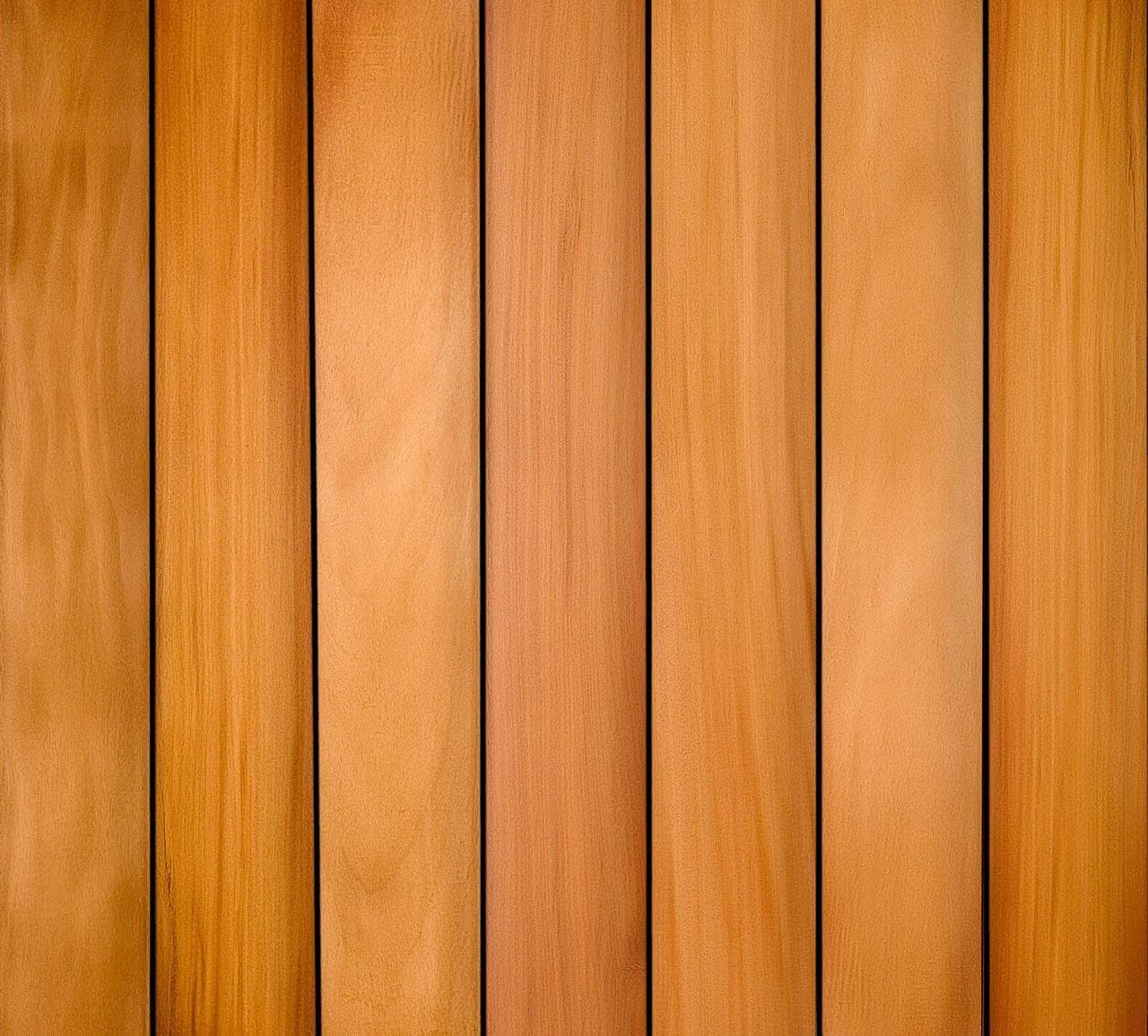
Garapa, also known as Brazilian Ash, is a tropical hardwood originating from Brazil. It is characterized by its golden color, which can add a warm, modern aesthetic to any exterior. Beyond its visual appeal, Garapa is recognized for its durability and natural resistance to rot, decay, and insects, reducing the need for constant chemical treatments.
With an air dry density of 4.11 lbs/bf, Garapa is a resilient material. These properties make it suitable for exterior applications like decking, especially in environments where weather changes are a factor. Garapa is also noted for being scratch and slip resistant, with minimal splintering, contributing to a comfortable surface for terraces.
While Garapa is resistant to nailing and screwing due to its density, it glues easily. When working with Garapa, sharp tools are recommended due to its density and interlocking grain. This material offers a balance of aesthetic appeal and functional performance for outdoor living spaces.
Terrace Design Decision: Defining Your Outdoor Living Zones
Before selecting materials, consider how you intend to use your terrace. A terrace, particularly in an urban setting, often serves multiple functions within a compact footprint. Will it be a dining area, a lounge space, a container garden, or a combination? Clearly defining these zones will inform your decking layout and material choices.
For example, a terrace might include a primary dining zone, a secondary seating area, and a dedicated space for planters. Each zone can be subtly delineated through furniture arrangement, but the consistent surface of Garapa decking can provide a unifying base. Consider the flow between these zones and how people will move across the terrace.
Choosing Garapa Board Profiles and Lengths for Your Terrace
Garapa decking is available in specific profiles, such as 5/4"x6" (actual 1" x 5.5"). This profile can be specified with a grooved option for hidden fastener systems, or as a smooth board for face-fastening. The choice between grooved and smooth boards depends on your preferred aesthetic and installation method.
Lengths typically range from 3 to 24 feet. For a terrace project, especially one with a defined layout, planning board lengths can help minimize waste and create a more visually appealing surface. Longer boards can reduce the number of visible seams, contributing to a more expansive feel. However, shorter boards might be more practical for complex layouts or smaller, irregularly shaped terraces.
When planning, consider the layout of your terrace. For a simple rectangular space, longer boards laid parallel to the longest dimension can be efficient. For more intricate designs or to create visual interest, you might consider alternating board lengths or exploring a diagonal pattern, though this often requires more cuts and potentially more material.
Worked Example: Designing a 10x12 Foot Terrace with Garapa
Let's consider a hypothetical 10-foot by 12-foot terrace in Albany. The goal is to create a primary dining area and a small lounge space. We'll use 5/4"x6" Garapa decking boards.
First, define the zones: a 10x8 foot dining area and a 10x4 foot lounge area. Each 5/4"x6" board has an actual width of 5.5 inches. To cover the 10-foot width (120 inches), you would need approximately 120 inches / 5.5 inches/board = 21.82 boards. This means you would need 22 boards across the 10-foot width.
For the 12-foot length, you could use a combination of 12-foot or 14-foot boards to reduce waste. If using 12-foot boards, you would need 22 boards, each 12 feet long. Total lineal footage: 22 boards * 12 feet/board = 264 lineal feet. This calculation assumes no significant waste from cuts and that all boards are full length. In practice, you would need to account for cuts, end-matching, and potential waste, so ordering an additional 10-15% is often recommended.
If you opt for a picture-frame border, additional calculations for those perimeter boards and mitered cuts would be necessary. This example provides a basic estimate for straight-lay decking. Always confirm exact dimensions, desired board spacing, and cut allowances with your installer.
Planning for Albany's Climate: Garapa and Seasonal Changes
Albany experiences a full range of seasons, from warm, humid summers to cold, snowy winters. Garapa's natural resistance to weather changes is a key advantage in such a climate. The wood's inherent durability helps it withstand cycles of freezing and thawing, as well as periods of high humidity.
While Garapa is resistant to rot and decay, proper ventilation beneath the deck is crucial in any climate to prevent moisture buildup. Ensure your terrace design allows for adequate airflow to help the decking dry out after rain or snowmelt. This is a general best practice for all decking materials, but particularly important for natural hardwoods to maintain their integrity over time.
Consider how sun exposure might affect your terrace. Garapa's golden color will naturally weather to a silver-gray patina over time if left untreated. If you prefer to maintain the golden hue, periodic application of a UV-inhibiting oil finish will be necessary. This is a maintenance decision that can be made based on your aesthetic preference and willingness to perform regular upkeep.
Complementary Materials and Design Elements
Garapa's golden tone pairs well with a variety of other materials, allowing for versatile terrace designs. For railings, consider materials like powder-coated aluminum or stainless steel for a modern look, or even treated lumber painted in a complementary color for a more traditional aesthetic. Planters made from terracotta, dark metal, or even contrasting lighter-toned wood can enhance the visual appeal of the terrace.
Lighting is also an important element. Integrated LED strip lighting along the edge of the terrace or subtle uplighting for planters can extend the usability of your outdoor space into the evening. The warm glow of lighting can complement the natural warmth of the Garapa decking.
For furniture, consider pieces that are durable and weather-resistant. Materials like wicker, teak, or metal with outdoor cushions can create comfortable and stylish zones. The goal is to create a cohesive outdoor room where the Garapa decking serves as a beautiful and resilient foundation.
Before you order
- Define primary and secondary use zones for your terrace (dining, lounge, garden, etc.).
- Measure the exact dimensions of your terrace area, noting any irregular shapes or existing features.
- Decide on the desired decking pattern (straight lay, diagonal, picture frame border).
- Choose between grooved (for hidden fasteners) or smooth (for face-fastening) Garapa board profiles.
- Consider the optimal board lengths to minimize waste and reduce seams.
- Plan for adequate ventilation underneath the decking, especially considering Albany's climate.
- Determine your maintenance preference: allow Garapa to patina naturally or apply a UV-inhibiting finish.
- Select complementary railing materials, planters, and outdoor furniture.
- Factor in lighting solutions to enhance evening usability and ambiance.
Confirm installation details, approved uses and warranty terms in the current instructions for the exact product and profile. Your installer should verify the substrate, structure and applicable project requirements.
This is a planning guide for projects in Albany, NY. Ask our team to confirm availability, delivery to your ZIP code and which branch can support your order.
Questions to help you decide
What maintenance does Garapa decking require in a climate like Albany's?
Garapa is naturally resistant to rot, decay, and insects, meaning it doesn't require constant chemical treatments. In Albany's climate, ensuring proper ventilation beneath the deck is important. If you wish to maintain its original golden color, a UV-inhibiting oil finish should be applied periodically. Otherwise, it will naturally weather to a silver-gray patina.
Is Garapa suitable for cold Albany winters?
Yes, Garapa is described as resistant to weather changes, which includes cycles of freezing and thawing. Its natural durability helps it withstand the conditions of cold winters. As with any outdoor material, proper installation and drainage are key to its long-term performance.
Can I use hidden fasteners with Garapa decking?
Yes, Garapa decking is available with a grooved option, which is designed to accommodate hidden fastener systems. This allows for a clean, screw-free deck surface. Alternatively, smooth boards can be face-fastened, which involves screwing directly through the board into the joists.
Ready to Plan Your Garapa Terrace in Albany?
Request a material quote today. Provide your project dimensions, desired Garapa profile (e.g., 5/4"x6" grooved or smooth), and your Albany ZIP code to confirm current availability and service options. Our team can assist you in selecting the right quantities for your terrace design.
Request a material quote →