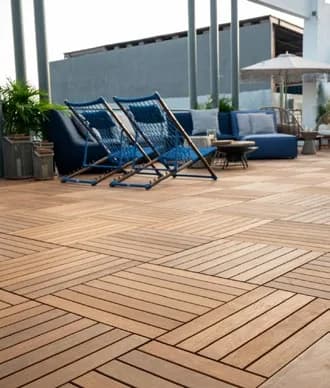
Assess Your Drainage System Before Winter
Effective drainage is crucial for any outdoor surface, especially during winter when melting snow and ice can lead to standing water. Before the first freeze, inspect your deck tile installation and the underlying surface for any areas where water might pool. Garapa deck tiles, like other wood products, benefit from good air circulation and water runoff.
Ensure that the gaps between the tiles are clear of debris, allowing water to pass through to the sub-surface. If your deck tiles are installed over a roof membrane or concrete slab, verify that the drainage channels or slopes are unobstructed. Clogged drains can lead to water freezing on the surface, potentially creating slip hazards and stressing the tile material.
If you use a pedestal system, confirm that the pedestals are stable and that the drainage beneath the tiles is clear. Any obstruction can impede water flow, leading to prolonged moisture exposure for the tiles and potential issues with the underlying structure.
Snow Removal Best Practices for Garapa Deck Tiles
When snow accumulates on your Garapa deck tiles, choosing the right removal method is essential to avoid damage. While Garapa is a durable hardwood, aggressive tools can scratch or gouge the surface. Always use plastic shovels or snow pushers rather than metal ones.
For lighter snowfalls, a broom can be effective. When shoveling, lift the snow rather than dragging the shovel across the tile surface. Work in sections, clearing snow away from the edges of the installation to prevent it from piling up against adjacent structures or railings, which could impede drainage.
Avoid using heavy machinery or snow blowers, as these can cause significant damage to the tiles, especially if they catch an edge or impact the surface directly. Gentle, manual removal is generally the safest approach for preserving the appearance of your Garapa deck tiles.
Selecting Deicers: What to Use and What to Avoid
Deicers can be helpful for managing ice on outdoor surfaces, but not all products are suitable for Garapa deck tiles. Some chemical deicers can stain or damage wood over time. Look for deicers explicitly labeled as safe for wood or natural stone surfaces.
Magnesium chloride or calcium chloride-based deicers are generally considered less harsh on wood than sodium chloride (rock salt). However, even these should be used sparingly and rinsed thoroughly once the ice has melted and temperatures rise. Always test a small, inconspicuous area first if you are unsure about a product's compatibility.
Sand can provide traction on icy surfaces and is a non-chemical alternative, but it can also be abrasive and may require thorough cleaning in the spring to remove all grit from between tile gaps. The best approach is often to prioritize physical snow removal and only use deicers when absolutely necessary, following manufacturer guidelines carefully.
Never use products containing ammonium nitrate or ammonium sulfate, as these can be particularly damaging to wood.
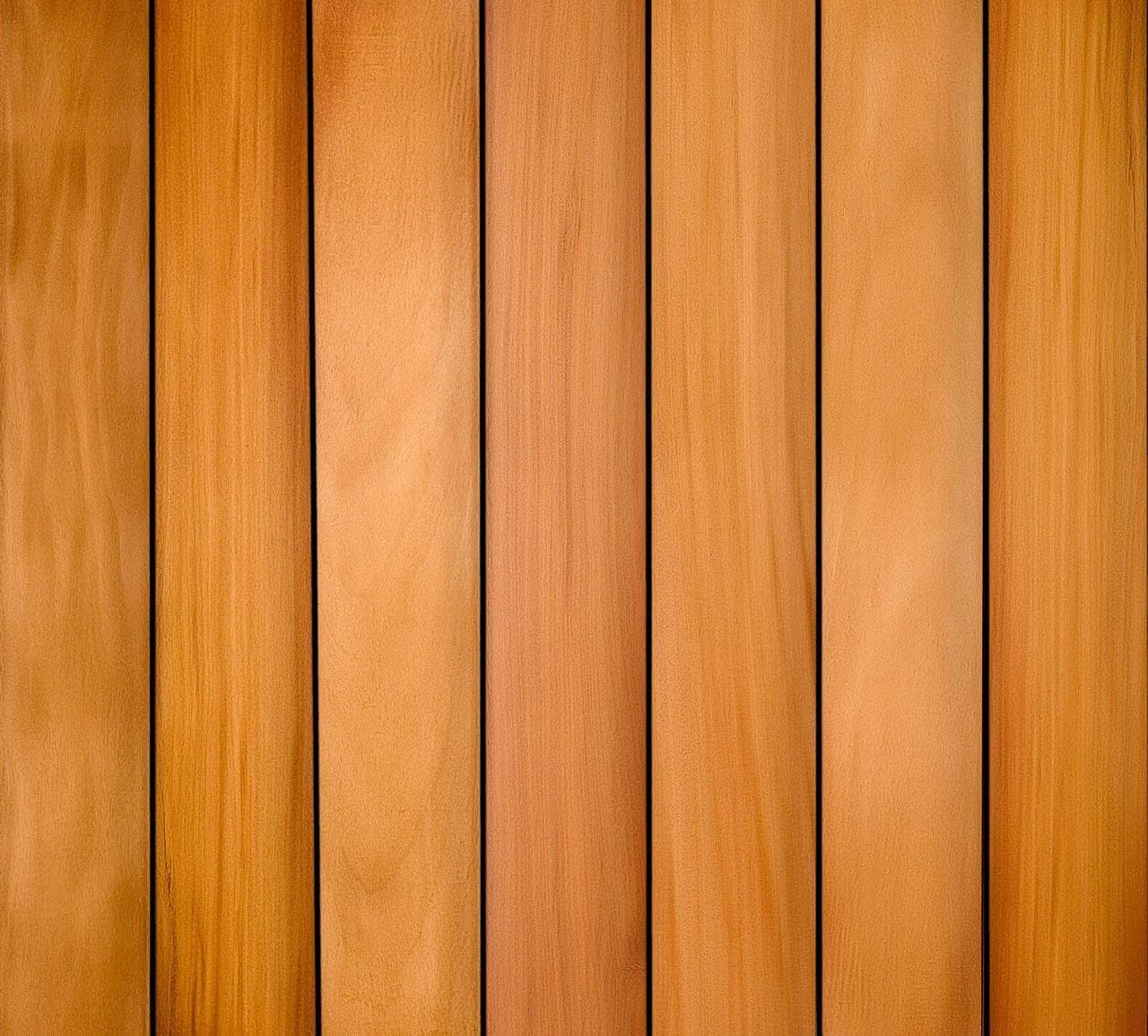
Winter's Impact on Garapa's Appearance
Garapa deck tiles are known for their warm golden tones. Exposure to winter elements, including moisture, snow, and fluctuating temperatures, can influence the wood's appearance over time. While Garapa is naturally resistant to decay, prolonged exposure to moisture can lead to a natural weathering process, where the wood may gradually turn a silvery-gray patina.
This natural change is aesthetic and does not necessarily indicate a structural issue. If you prefer to maintain the golden color, a suitable wood brightener and cleaner can be applied in the spring, followed by a UV-inhibiting oil finish. Ensure any products used are compatible with Garapa and applied according to manufacturer instructions.
Regular cleaning and maintenance, even in winter, can help mitigate extreme weathering. Removing snow promptly and ensuring good drainage prevents water from sitting on the surface for extended periods, which can accelerate the graying process.
Hypothetical Winter Preparation Example: A 10' x 12' Balcony
Consider a 10-foot by 12-foot balcony covered with 24" x 24" Garapa deck tiles. This area totals 120 square feet. With each 24" x 24" tile covering 4 square feet, approximately 30 tiles would be needed for basic coverage (120 sq ft / 4 sq ft per tile).
Before winter, the homeowner would conduct a drainage check. They would also check the perimeter of the balcony, especially near any scuppers or drains, to confirm they are clear.
For snow removal, the homeowner would use a plastic snow pusher. For a typical 4-inch snowfall, they would gently push the snow off the balcony in sections, starting from the railing and working towards the building, ensuring not to scrape the tile surface. If an ice patch forms, they would apply a small amount of magnesium chloride deicer, following product instructions, and plan to rinse the area thoroughly once temperatures allow.
This methodical approach helps protect the Garapa deck tiles, minimizing the risk of damage from harsh winter conditions and preserving their aesthetic quality for the seasons to come.
Before you order
- Verify proper drainage: Are gaps between tiles clear? Are sub-surface drains unobstructed?
- Select appropriate snow removal tools: Use plastic shovels/pushers or brooms.
- Choose wood-safe deicers: Opt for magnesium chloride or calcium chloride, if necessary, and test first.
- Plan for appearance changes: Understand that natural weathering to a silvery-gray patina is normal.
- Consider spring restoration: If maintaining the golden color is desired, plan for a brightener and oil application in warmer months.
Confirm installation details, approved uses and warranty terms in the current instructions for the exact product and profile. Your installer should verify the substrate, structure and applicable project requirements.
Questions to help you decide
Can I use rock salt on my Garapa deck tiles?
It is generally not recommended to use rock salt (sodium chloride) on Garapa deck tiles. Rock salt can be corrosive and may stain or damage the wood over time. If a deicer is necessary, opt for products specifically labeled as safe for wood, such as those with magnesium chloride or calcium chloride, and use them sparingly.
How do I prevent my Garapa deck tiles from becoming slippery in winter?
To prevent slipperiness, prioritize prompt snow removal using a plastic shovel or broom. For ice, consider applying a wood-safe deicer or sand for traction. Ensure good drainage to prevent water from pooling and freezing on the surface. Regularly inspect the surface for any accumulating ice or slick spots.
Will winter weather damage the color of my Garapa deck tiles?
Winter weather, particularly prolonged exposure to moisture and UV radiation (even in winter), can contribute to the natural weathering process of Garapa. Over time, the warm golden tones may fade to a silvery-gray patina. This is a natural aesthetic change and does not typically indicate structural damage. You can restore the original color in spring with a wood brightener and an appropriate UV-inhibiting oil finish.
Ready to Enhance Your Outdoor Space with Garapa Deck Tiles?
Request a material quote with your project dimensions, desired profile (12" x 12" or 24" x 24"), and ZIP code to confirm current availability and service options for Garapa deck tiles. Our team can help you plan for a beautiful and durable outdoor surface.
Request a material quote →