Understanding Garapa's Natural Appearance
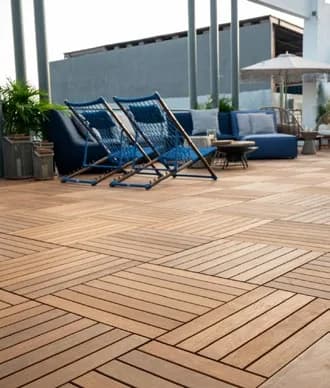
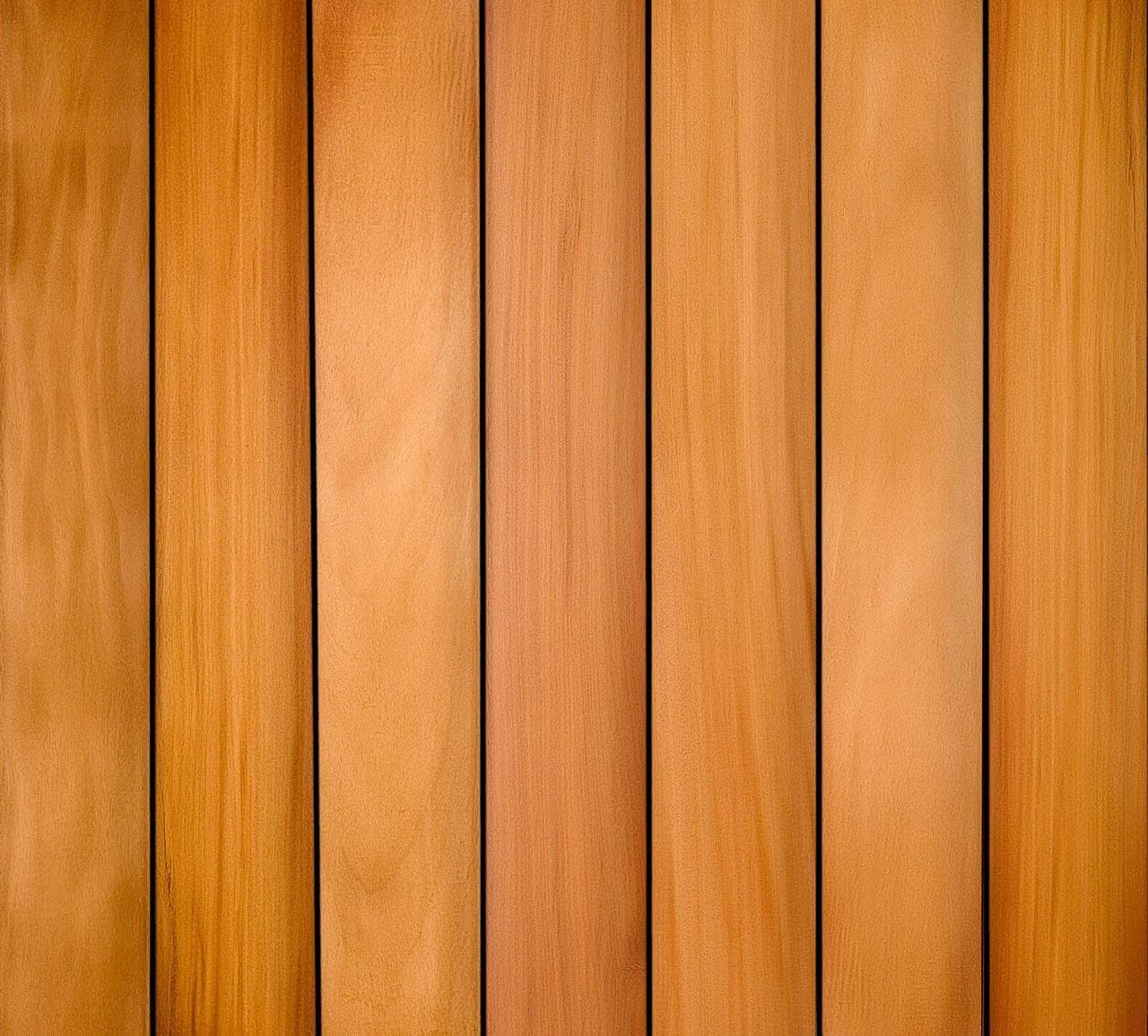
Garapa is known for its warm, golden tones. This natural color can range from a light honey to a richer amber, providing a bright and inviting aesthetic that can make outdoor spaces feel more expansive and open. Unlike some darker hardwoods, Garapa's lighter hue reflects more light, which can be a significant factor in areas that receive abundant sunlight or where a brighter, airier feel is desired.
The grain of Garapa is typically straight to interlocked, with a fine to medium texture. This contributes to its relatively uniform appearance, allowing the golden color to be the dominant visual characteristic. When considering Garapa, it is important to remember that natural wood will always exhibit variations in tone and grain, which adds to its unique character. These variations are part of the material's appeal and should be embraced as a natural feature of your deck tile installation.
Garapa deck tiles are available in two standard sizes: 12 x 12 inches (1 square foot per tile) and 24 x 24 inches (4 square feet per tile). The choice of tile size can subtly influence the perceived color by altering the number of seams and the visual scale of the installation. A larger tile format might present a more uniform expanse of color, while smaller tiles could introduce more visual texture through the grid pattern.
The Impact of Sunlight and Exposure on Color
One of the most crucial factors in choosing a finish for Garapa deck tiles is understanding how sunlight and environmental exposure will affect its color over time. Like all natural hardwoods, Garapa will undergo a process of weathering and graying if left unfinished. This natural patina is a desired aesthetic for some, evolving into a silvery-gray tone that can blend harmoniously with certain architectural styles or natural landscapes.
If maintaining Garapa's initial golden hue is a priority, regular application of a UV-inhibiting oil finish is necessary. Sunlight contains ultraviolet (UV) rays that break down the wood's lignins, leading to color change. An appropriate finish will help protect the wood from these rays, slowing down the graying process and preserving the warm tones. However, even with a finish, some degree of color change will occur over the lifespan of the material.
Consider the specific exposure conditions of your project. A deck tile installation on a fully shaded balcony will weather differently than one on an exposed rooftop terrace. Areas with partial shade may exhibit uneven weathering patterns, with sun-exposed sections graying faster than shaded ones. This natural variation should be factored into your aesthetic expectations.
Oil Finishes vs. Unfinished Garapa
The primary choice for Garapa deck tiles regarding finish is between leaving them unfinished to weather naturally or applying an oil-based finish to maintain their golden color. Both approaches have distinct visual and maintenance implications.
Leaving Garapa unfinished allows it to gradually turn a soft, silvery-gray. This process typically begins within a few months of exposure and stabilizes over a year or two. The graying is a surface phenomenon and does not compromise the structural integrity of the wood. This option requires less frequent maintenance in terms of reapplication, but regular cleaning to remove dirt and debris is still recommended.
Applying a penetrating oil finish enhances Garapa's natural golden color and provides a layer of protection against moisture and UV radiation. These finishes typically need to be reapplied annually or biennially, depending on the product, exposure, and wear. The choice of oil can also subtly alter the hue, with some oils imparting a slightly richer or deeper tone. Always test a small, inconspicuous area or a sample tile before applying any finish to the entire project to ensure the desired color outcome.
Coordinating Garapa with Surrounding Elements
The color and finish of your Garapa deck tiles should be considered in relation to the surrounding elements of your outdoor space. This includes building facades, railings, outdoor furniture, planters, and landscaping.
For a modern aesthetic, the golden tones of finished Garapa can provide a warm contrast to cool-toned materials like concrete, steel, or dark painted surfaces. If your goal is a more rustic or natural look, allowing Garapa to gray can complement natural stone, brick, or lush greenery. Consider the color palette of your existing outdoor furniture and accessories. A vibrant cushion color might pop against the golden hue of freshly finished Garapa, while muted tones could create a serene atmosphere with weathered Garapa.
Think about the visual flow between indoor and outdoor spaces. If your deck or balcony is an extension of an interior room, try to select a finish that complements your interior flooring or decor. This creates a cohesive design that blurs the lines between inside and out.
Worked Example: Selecting Garapa for a Small Balcony
Let's consider a hypothetical 8-foot by 5-foot balcony in a city apartment. The apartment has light gray stucco exterior walls and dark gray metal railings. The interior living room, which opens onto the balcony, has light oak flooring and off-white walls. The client wants to create a bright, inviting space that feels like an extension of the living room.
Given the light interior flooring and the desire for a bright, inviting space, maintaining Garapa's golden tones would be the preferred choice. Unfinished Garapa, while low maintenance, would eventually gray, creating a stark contrast with the interior and potentially feeling less vibrant against the dark railings and gray stucco.
The client decides to use 24 x 24-inch Garapa deck tiles for a cleaner, more expansive look, minimizing seams. To maintain the golden color, a clear, UV-inhibiting penetrating oil finish is selected. This finish will enhance the natural warmth of the Garapa, creating a harmonious transition from the light oak interior flooring while providing a pleasant contrast to the dark gray railings and light gray stucco. The finish will need annual reapplication to preserve this aesthetic.
For the 8-foot by 5-foot balcony, an area of 40 square feet, using 24 x 24-inch tiles (4 square feet each), a minimum of 10 tiles would be needed for full coverage. However, considering cuts for edges and potential waste, ordering 11 or 12 tiles would be a more practical approach to ensure sufficient material. The client plans to add planters with vibrant green foliage and light-colored outdoor chairs to complete the bright and inviting aesthetic.
Before you order
- Do you prefer Garapa's natural golden tones or a weathered silvery-gray patina?
- How much direct sunlight will your deck tile installation receive daily?
- Are you prepared for annual or biennial reapplication of an oil finish to maintain color?
- What are the existing colors and materials of your building facade, railings, and outdoor furniture?
- Do you want the outdoor space to visually extend from an indoor area, and if so, what are the interior finishes?
- Have you obtained physical samples of Garapa deck tiles to observe their color in your specific lighting conditions?
- Have you considered the impact of tile size (12x12 vs. 24x24) on the overall visual texture and color perception?
Confirm installation details, approved uses and warranty terms in the current instructions for the exact product and profile. Your installer should verify the substrate, structure and applicable project requirements.
Questions to help you decide
Will Garapa deck tiles change color over time?
Yes, Garapa deck tiles, like all natural hardwoods, will change color over time due to exposure to sunlight and weather. If left unfinished, Garapa will naturally weather to a soft, silvery-gray patina. To maintain its original warm golden tones, a UV-inhibiting penetrating oil finish must be applied regularly, typically annually or biennially depending on exposure.
Can I stain Garapa deck tiles a different color?
While it is technically possible to stain Garapa deck tiles, it is generally recommended to use finishes designed for hardwood decks that enhance or preserve its natural color. Stains can obscure the wood's natural grain and may require more intensive maintenance. If you wish to alter the color significantly, consult with a finish professional and always test on a sample tile first.
How do I choose between 12x12 and 24x24 Garapa deck tiles for color impact?
The choice between 12x12 and 24x24 Garapa deck tiles primarily affects the visual scale and the number of seams in your installation. While both sizes feature the same Garapa wood, the larger 24x24 tiles create a more expansive, uniform surface with fewer visible grid lines, which can emphasize the overall color. Smaller 12x12 tiles introduce more visual texture through the grid pattern, which might make the color appear slightly more segmented. Consider the size of your space and your desired aesthetic when making this decision.
Ready to Transform Your Outdoor Space with Garapa Deck Tiles?
Request a material quote today. Provide your project dimensions, desired Garapa deck tile profile (12x12 or 24x24), and your ZIP code to confirm current availability and service options. Our team is ready to assist you in bringing your vision to life.
Request a material quote →