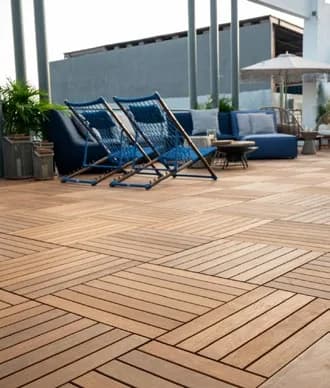
The Impact of Shade on Deck Tile Drying
Shaded outdoor areas, whether under an overhang, large trees, or within a narrow urban canyon, naturally receive less direct sunlight and air circulation. This reduced exposure means that any moisture on or beneath your Garapa deck tiles will evaporate more slowly. This slower drying can lead to the accumulation of organic matter, such as mildew or algae, if not properly managed.
For Garapa, a tropical hardwood, consistent moisture management is part of its long-term care. While Garapa is known for its durability, prolonged dampness in poorly ventilated areas can affect its aesthetic over time, potentially leading to a darker, duller appearance or the growth of surface organisms. Planning for these conditions from the outset helps maintain the tile's original character.
Consider the specific shade conditions of your project area. Is it fully shaded all day, or does it receive a few hours of indirect light? Does wind naturally pass through the space, aiding air movement? These observations will inform your choices regarding installation and ongoing maintenance.
Ventilation: Key to Managing Moisture Beneath Tiles
Effective ventilation beneath your Garapa deck tiles is paramount in shaded settings. Trapped moisture can create an environment conducive to biological growth and can also affect the substructure over time. Proper airflow helps dissipate moisture from rain, dew, or cleaning.
When installing deck tiles, ensure there is adequate space between the tiles and the underlying surface. This is typically achieved through pedestal systems or joist-and-bearer assemblies that create an air gap. The greater the air circulation, the faster the drying.
This design helps to mitigate the effects of shade by promoting quicker drying after wet conditions.
Avoid installations where tiles sit directly on a solid, unventilated surface, especially in shaded areas, as this can severely impede drying and create persistent dampness.
Choosing the Right Support System for Shaded Areas
The choice of support system for your Garapa deck tiles directly influences ventilation and drying. Pedestal systems are often recommended for their ability to elevate tiles, creating a significant air gap underneath. This elevation is particularly beneficial in shaded environments.
Pedestals allow for adjustable height, which can be useful for creating a level surface over an existing sloped or uneven substrate while maintaining an air void. This air void is crucial for promoting airflow and preventing moisture from pooling directly beneath the tiles.
For ground-level installations over concrete patios in shaded areas, ensure that any sleeper or joist system provides sufficient elevation and is designed to allow air movement. Avoid solid blocking that could trap moisture. The goal is to facilitate air exchange from all sides and underneath the deck tile assembly.
Consider the specific requirements for your chosen support system and how it integrates with your Garapa deck tiles. While Garapa comes in "12 x 12" and "24 x 24" sizes, the support system will define the ventilation profile.
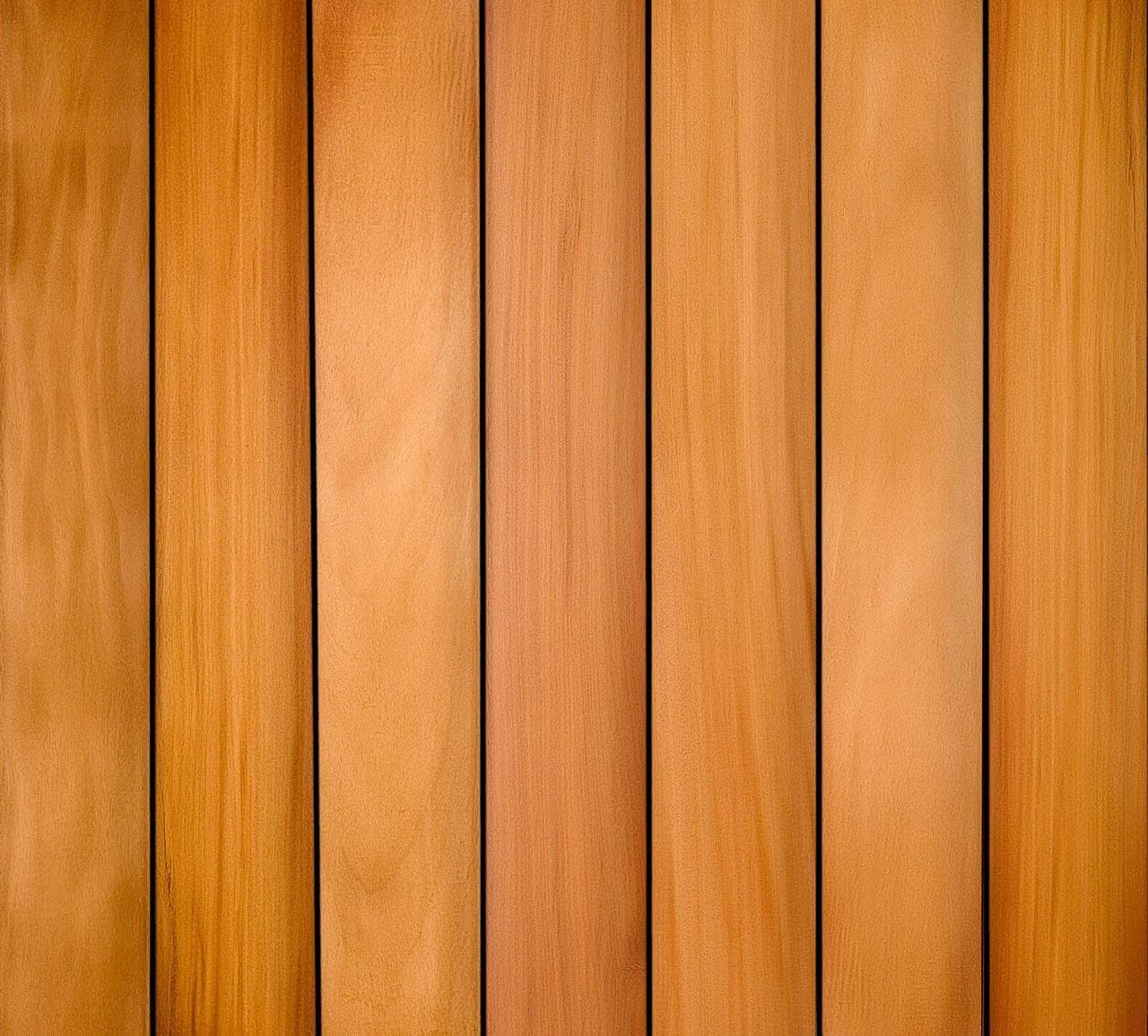
Routine Cleaning and Maintenance for Shaded Garapa
In shaded conditions, Garapa deck tiles benefit from a more frequent and focused cleaning regimen. Regular cleaning helps prevent the build-up of organic debris, such as leaves, pollen, and dirt, which can trap moisture and encourage mold or mildew growth.
A simple routine involves sweeping or blowing off loose debris regularly. For more thorough cleaning, use a mild soap solution and a soft-bristle brush, rinsing thoroughly with water. Ensure that any cleaning products used are suitable for hardwood and will not damage the wood or its finish.
Pay particular attention to the gaps between tiles, as these areas can collect debris and moisture. Periodically inspect the underside of the tiles and the support system if accessible, to check for any signs of prolonged dampness or growth. Addressing these issues early can prevent more significant problems.
While Garapa is a durable hardwood, aggressive cleaning methods like high-pressure washing can damage the wood fibers. Always start with the gentlest method and increase intensity only if necessary, ensuring to test on an inconspicuous area first.
Worked Example: Planning a Shaded Balcony with Garapa Deck Tiles
Consider a hypothetical 10-foot by 8-foot apartment balcony that is mostly shaded by an overhang and an adjacent building. The goal is to install 24" x 24" Garapa deck tiles to create a comfortable outdoor living space.
First, measure the balcony area: 10 feet (120 inches) by 8 feet (96 inches). Each 24" x 24" tile covers 4 square feet. The total area is 80 square feet. For coverage, 80 sq ft / 4 sq ft per tile = 20 tiles.
However, cuts are needed. Along the 120-inch length, you need 120 / 24 = 5 tiles. Along the 96-inch width, you need 96 / 24 = 4 tiles. This means a direct fit of 5 tiles by 4 tiles, totaling 20 tiles, with no cuts needed to fit the main dimensions.
For this shaded balcony, a pedestal system is crucial. This elevation prevents water from pooling directly on the slab and under the tiles, which is vital for drying in a shaded environment.
Maintenance for this shaded balcony would involve weekly sweeping to remove leaves and dust, and a monthly wash with a mild detergent and soft brush, followed by a thorough rinse. This proactive approach helps manage moisture and keeps the Garapa looking its best despite the shade. The total purchase quantity would be 20 tiles, plus a small allowance for any unexpected damage or future replacement, perhaps 1-2 extra tiles.
Before you order
- Assess the specific shade conditions of your outdoor space (full shade, partial shade, morning/afternoon sun).
- Evaluate existing air circulation and potential for wind movement.
- Determine if the current substrate allows for drainage and ventilation.
- Select a support system (e.g., pedestals, sleepers) that creates an adequate air gap beneath the tiles.
- Plan for consistent spacing between Garapa deck tiles to promote surface drying.
- Establish a routine cleaning schedule to remove debris and prevent moisture buildup.
- Consider the use of a breathable finish if desired, ensuring it is compatible with Garapa and shaded conditions.
- Factor in the need for periodic inspection of the tile underside and support system.
Confirm installation details, approved uses and warranty terms in the current instructions for the exact product and profile. Your installer should verify the substrate, structure and applicable project requirements.
Questions to help you decide
Can Garapa deck tiles be installed directly on a concrete slab in a shaded area?
While it's technically possible, it is not recommended for shaded areas. Installing Garapa deck tiles directly on a concrete slab in shade can trap moisture, significantly slowing drying and potentially leading to mildew, mold, or discoloration. A support system that elevates the tiles and allows for airflow is strongly advised to promote proper drainage and ventilation.
How often should I clean Garapa deck tiles in a shaded environment?
In shaded environments, Garapa deck tiles generally require more frequent cleaning than those in full sun. We recommend sweeping or blowing off debris weekly. A more thorough cleaning with a mild soap and soft brush, followed by rinsing, should be done monthly, or as needed, especially after rain or heavy pollen seasons, to prevent organic growth.
What kind of support system is best for Garapa deck tiles in shaded conditions?
A pedestal system is often the most effective support for Garapa deck tiles in shaded conditions. Pedestals elevate the tiles, creating an essential air gap underneath that allows for robust ventilation and drainage. This elevation helps to mitigate the slower drying times associated with shaded areas, promoting the longevity and appearance of your Garapa deck tiles. For more information, explore our other deck tile options at /deck-tiles, /deck-tiles/ipe, and /deck-tiles/cumaru.
Ready to Transform Your Shaded Outdoor Space?
Request a material quote for Garapa deck tiles by providing your project dimensions, desired tile profile (12" x 12" or 24" x 24"), and ZIP code. Our team can help confirm current availability and service options for your project.
Request a material quote →