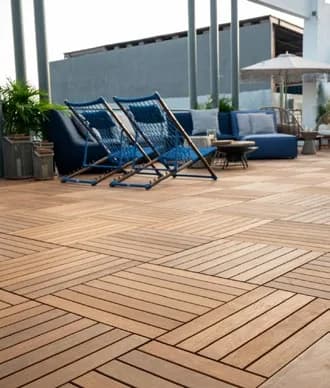
Why Documentation Matters for Deck Tile Replacement
Garapa deck tiles, like all natural wood products, exhibit variations in grain, color, and texture. When new, these variations are part of their appeal. However, after exposure to sun, rain, and foot traffic, existing tiles will have developed a unique patina and finish. A new replacement tile, even from the same species, will likely appear different initially.
Detailed records from your original purchase can help you identify the precise product specifications, including the specific dimensions, any applied finishes, and even the manufacturing batch. This information is crucial for selecting a replacement tile that has the best chance of blending in over time.
Key Information to Record at Installation
When your Garapa deck tiles are first installed, take a moment to record the following details. Store this information in a safe, accessible place, perhaps with other home improvement records:
Product Name and Species: Confirm 'Garapa Deck Tiles'. (S1)
Module Dimensions: Note the exact size, such as 12 x 12 inches or 24 x 24 inches. (S1)
Supplier Information: The name of the supplier (Lumber Plus) and the date of purchase.
Order Number or Invoice ID: This links directly to your specific purchase.
Batch or Lot Number: If provided on packaging, this identifies a specific production run. Wood from the same batch often has more consistent characteristics.
Finish Applied (if any): If you applied a sealant, stain, or oil, record the brand, product name, color, and date of application. This is vital for matching the appearance and protection.
Substructure and Fastening Method: How the tiles are supported (e.g., pedestals, sleepers) and how they are attached (e.g., clips, screws). This impacts replacement compatibility.
Assessing the Damaged Tile and Surrounding Area
Before ordering a replacement, carefully examine the damaged tile and its neighbors. This assessment helps determine the extent of the damage and informs your replacement choice:
Damage Type: Is it a crack, splinter, deep scratch, or discoloration? This might influence whether you need a new tile or if the existing one can be repaired.
Current Color and Finish: Note how the surrounding tiles have weathered. Are they still golden, or have they silvered? Does the finish appear worn or faded?
Module Dimensions: Re-measure the damaged tile if possible, confirming it matches your recorded dimensions. (S1)
Substructure Condition: Ensure the underlying support system (pedestals, sleepers, or direct surface) is still sound. A damaged substructure could lead to future tile issues.
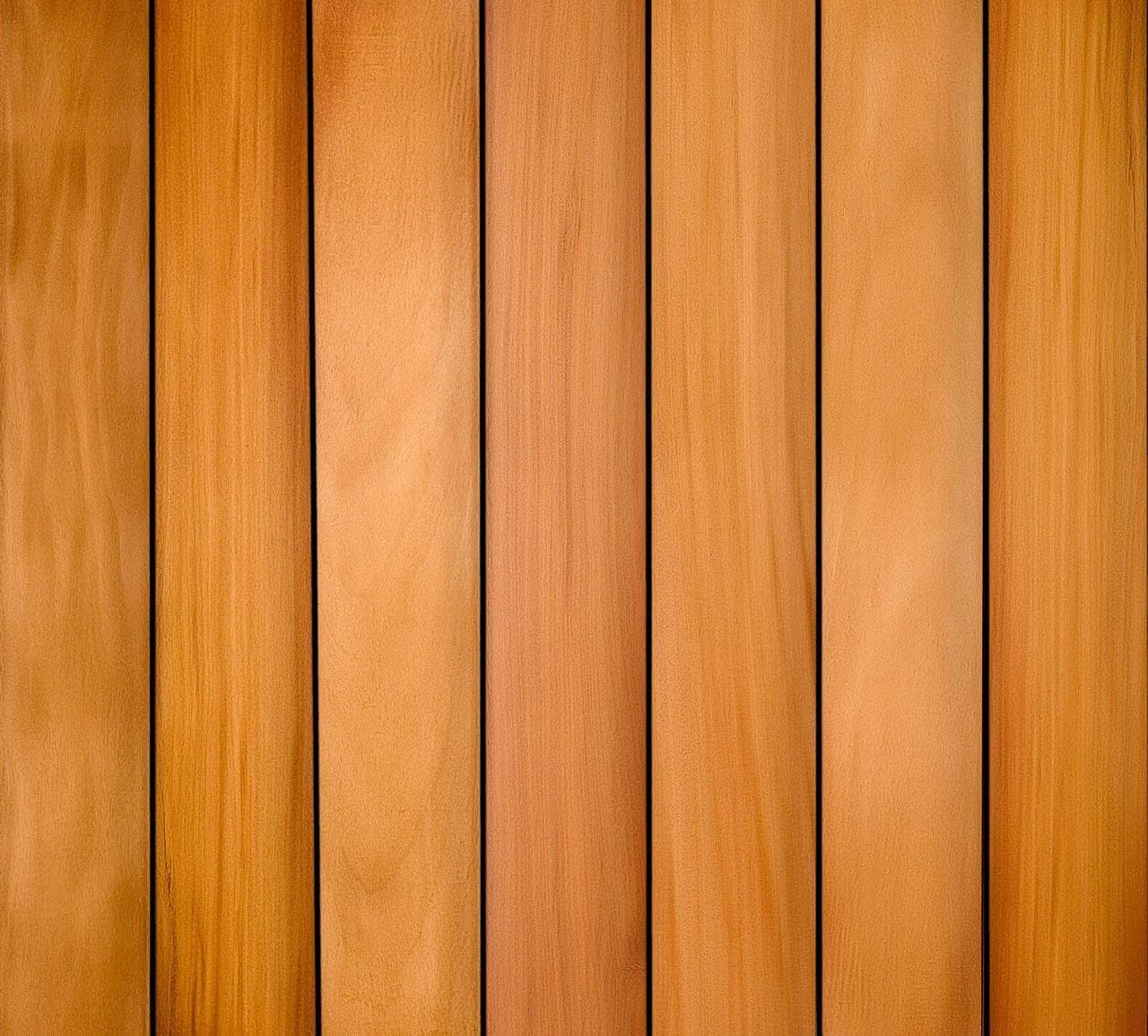
Worked Example: Replacing a 24x24 Garapa Deck Tile
Let's assume you installed Garapa 24x24 inch deck tiles on your patio three years ago. You recorded the following:
Product: Garapa Deck Tiles, 24 x 24 inches (S1)
Supplier: Lumber Plus, Purchase Date: June 15, 2021, Order #: LP-2021-45678
Finish: Applied a clear penetrating oil (Brand X, 'Deck Guard Clear') on July 1, 2021, and again on July 1, 2022.
Substructure: Tiles laid on adjustable pedestals directly over a concrete slab.
Now, a corner of one tile has splintered. You need to replace it.
First, you re-examine the damaged tile and its neighbors. The existing tiles have developed a slightly deeper golden hue with some silvering in high-traffic areas, but the oil finish has largely preserved their warmth. The splinter is localized to one corner, indicating a replacement is necessary.
You contact Lumber Plus with your original order number and confirm you need a single Garapa 24x24 inch deck tile. You also mention the original finish and the current appearance of your existing deck. This information allows the supplier to check current stock for the closest possible match and advise on potential finish applications for the new tile to help it blend.
Upon receiving the new tile, you might notice it's brighter and lighter than your existing ones. You can apply the same penetrating oil to the new tile. Over time, with exposure to the elements, the new tile will gradually weather and darken, eventually blending more seamlessly with the older installation.
Ordering a Replacement and Managing Expectations
When contacting Lumber Plus for a replacement, provide all the recorded details. Even with comprehensive information, it is important to manage expectations:
Natural Variation: Garapa is a natural wood, and new tiles will inherently have unique grain patterns and color tones. (S1)
Aging and Weathering: Existing tiles have aged. A new tile will not immediately match the weathered appearance of your older deck. It will require time and exposure to blend in.
Finish Application: If you applied a finish, be prepared to apply the same finish to the new tile. This will help protect it and encourage it to weather similarly to the existing tiles. Consider applying a light coat to adjacent tiles for a more uniform blending.
Availability: While we strive to maintain consistent product lines, exact matches from specific historical batches cannot be guaranteed. Current stock will be the closest available option.
Before you order
- Did I record the exact product name, species, and dimensions at original installation?
- Do I have the original supplier, order number, and purchase date?
- Is a batch or lot number available from the original packaging?
- Did I record the brand, product name, and color of any applied finishes?
- Have I assessed the current color and condition of the existing tiles?
- Is the substructure beneath the damaged tile still sound and intact?
- Am I prepared for the new tile to initially appear different from the weathered existing tiles?
- Do I have the original finish product (or a compatible one) to apply to the new tile?
Confirm installation details, approved uses and warranty terms in the current instructions for the exact product and profile. Your installer should verify the substrate, structure and applicable project requirements.
Questions to help you decide
How long will it take for a new Garapa deck tile to match the old ones?
The time it takes for a new Garapa deck tile to blend with existing, weathered tiles can vary significantly. Factors include the intensity of sun exposure, precipitation, and the type of finish applied. Generally, with consistent finishing and exposure, a new tile may begin to blend within several months to a year, but an exact match is never guaranteed due to natural wood characteristics.
Can I just flip a damaged tile over instead of replacing it?
Garapa deck tiles are typically designed with a finished top surface and a substructure (often a plastic grid) on the bottom. Flipping a tile over is generally not recommended as the underside is not designed to be a walking surface and may lack the same aesthetic appeal, finish, or weather resistance. Additionally, the substructure connections are designed for one orientation.
What if I can't find the original finish product I used?
If your original finish product is no longer available, choose a compatible exterior wood finish designed for hardwoods like Garapa. Test a small, inconspicuous area (perhaps on an offcut if you have one, or the underside of the new tile) to ensure the color and appearance are acceptable before applying it to the visible surface. A clear penetrating oil is often a good choice for maintaining the natural look of Garapa.
Request a Quote for Garapa Deck Tile Replacements
To inquire about replacement Garapa deck tile modules, please provide your project dimensions, the exact profile (12x12 or 24x24 inches), your original order details, and your ZIP code. This information helps us confirm current availability and service options. Visit our contact page to request a material quote.
Request a material quote →