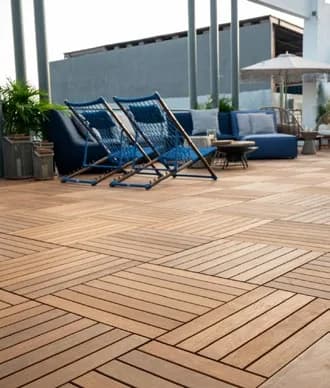
Why Garapa for a Poolside Terrace?
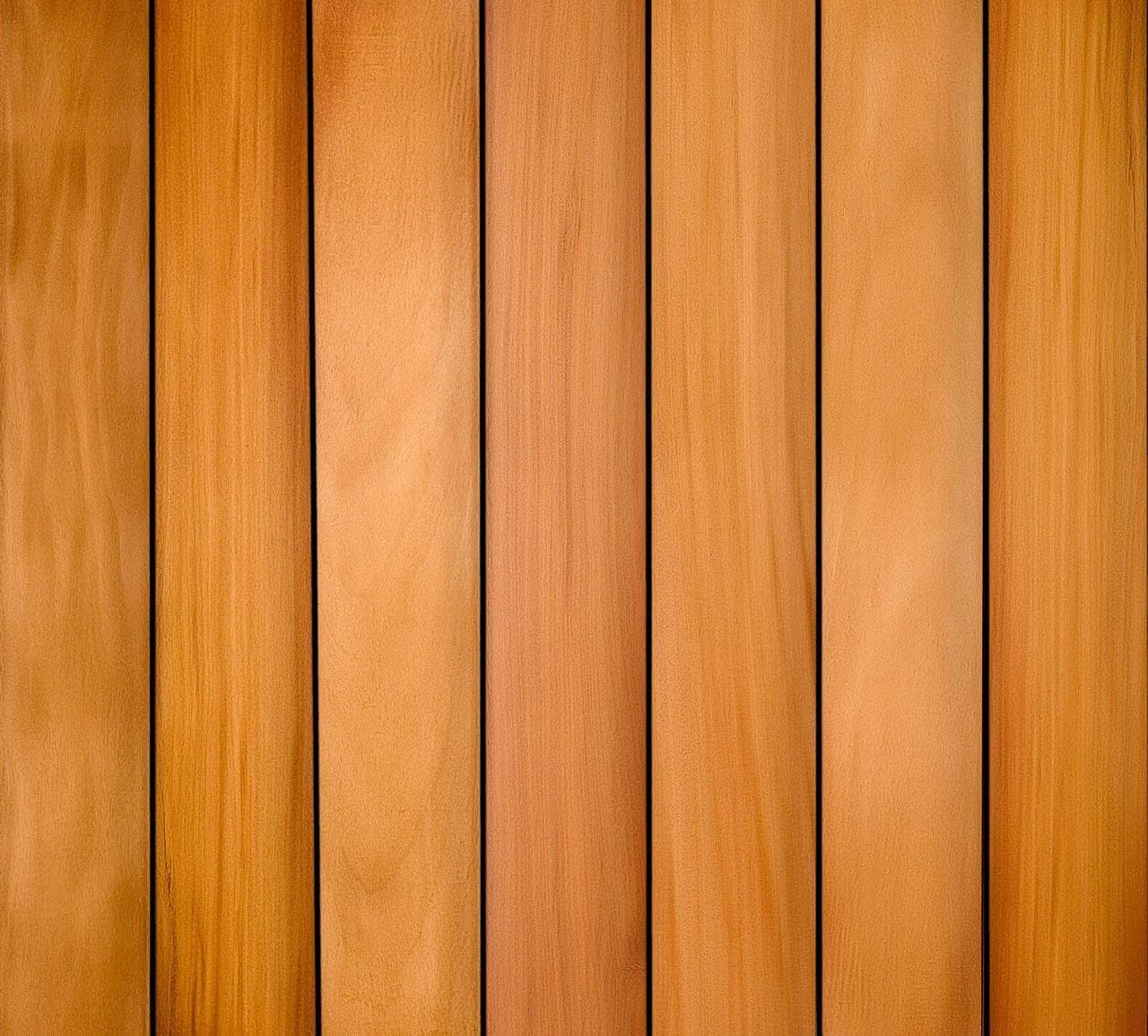
Garapa deck tiles are characterized by their warm golden tones, which can brighten and visually expand a poolside area. This natural coloring offers an inviting contrast to the blue of pool water and green of surrounding landscaping. The aesthetic appeal of Garapa contributes to creating a resort-like ambiance in your outdoor space.
When considering materials for wet environments like a poolside, it's important to evaluate how they perform. Garapa is a hardwood that can be suitable for outdoor use. Its appearance can be maintained with appropriate care, which is a consideration for any outdoor wood product exposed to moisture and sunlight.
Managing Water and Drainage Beneath Deck Tiles
Effective drainage is paramount for any poolside surface, especially under deck tiles. Water from splashes, rain, or pool overflows must be able to drain away efficiently to prevent pooling and potential issues. Garapa deck tiles, like most deck tile systems, are designed with gaps between the individual wood slats to allow water to pass through to the substrate below.
The underlying surface needs to be graded to direct water away from the pool and any structures. For a concrete slab, this means ensuring a slight slope. If installing over a permeable surface, confirm it allows for adequate water absorption and runoff. Pedestal systems can also elevate the tiles, creating a void for water management and allowing for easier inspection of the substrate.
Selecting the Right Tile Size for Your Poolside Layout
Garapa deck tiles are available in common sizes such as 12 x 12 inches and 24 x 24 inches. The choice of tile size can influence the visual scale of your terrace and the number of seams in the finished surface. A 12 x 12 inch tile provides 1 square foot of coverage per tile, while a 24 x 24 inch tile covers 4 square feet.
For smaller poolside areas or intricate layouts with many curves or obstacles, the 12 x 12 inch tiles might offer more flexibility for cuts and fitting. For larger, open poolside terraces, 24 x 24 inch tiles can create a more expansive look with fewer visible seams, potentially simplifying installation over broad areas. Consider the overall dimensions of your terrace and the desired visual effect when making this choice.
For example, a poolside terrace measuring 10 feet by 12 feet would cover 120 square feet. If using 24 x 24 inch tiles (4 square feet per tile), you would need 30 tiles for area coverage. However, if the layout requires cuts that do not yield reusable pieces, or if you prefer a tighter grid, the 12 x 12 inch tiles might offer more precise fitting while requiring 120 tiles for area coverage. Always factor in waste for cuts and potential future replacements.
Finishing Exposed Edges and Transitions
Poolside terraces often have exposed edges where the deck tiles meet the pool coping, lawn, or other landscaping. These edges require careful consideration for both aesthetics and safety. Options for finishing edges typically include using trim pieces, creating a border with contrasting materials, or ensuring the tile edge is flush and finished.
For a clean, finished look, consider using matching Garapa trim pieces if available, or a contrasting material that complements the poolside design. Ensure any edge treatment does not impede drainage. If the tiles are elevated on a pedestal system, the edge treatment must also account for the gap beneath the tiles, potentially requiring fascia boards or specialized edge profiles.
Considering Complementary Products for Your Poolside Terrace
Beyond the Garapa deck tiles themselves, think about other products that can enhance your poolside terrace. For example, Ipe deck tiles or Cumaru deck tiles offer different aesthetic choices with varying wood tones, which could be used for accent areas or borders if you desire a multi-material design. These materials also offer distinct appearances and characteristics.
Additionally, consider the substructure. Depending on your existing surface, you may need materials for a level base or a pedestal system to elevate the tiles for improved drainage and air circulation. Always ensure any complementary products are compatible with the deck tile system and suitable for outdoor, wet environments.
Before you order
- Assess the existing substrate for proper drainage and levelness.
- Determine the desired aesthetic: warm golden tones of Garapa or a mixed material approach.
- Choose between 12 x 12 inch or 24 x 24 inch tiles based on terrace size and layout complexity.
- Plan for edge finishing: trim pieces, contrasting borders, or flush transitions.
- Consider the need for a pedestal system for elevation and improved drainage.
- Calculate the quantity of tiles needed, accounting for cuts and waste.
- Identify any complementary products like Ipe or Cumaru deck tiles for design accents.
- Review local guidelines or HOA requirements for outdoor material installations.
Confirm installation details, approved uses and warranty terms in the current instructions for the exact product and profile. Your installer should verify the substrate, structure and applicable project requirements.
Questions to help you decide
Can Garapa deck tiles be installed directly on a concrete slab around a pool?
Garapa deck tiles can be installed on a concrete slab, provided the slab is level and has adequate slope for drainage. It's important to ensure water can freely drain away from the pool area and beneath the tiles to prevent pooling. Pedestal systems can also be used to elevate the tiles, creating a void for water management and air circulation.
How do Garapa deck tiles compare to other wood species for poolside use?
Garapa offers warm golden tones, providing a bright and inviting aesthetic for poolside terraces. Other species like Ipe or Cumaru offer deeper, richer tones. The choice often comes down to desired appearance and specific project requirements. All wood products in outdoor, wet environments benefit from appropriate care and maintenance.
What maintenance is required for Garapa deck tiles in a poolside setting?
Garapa deck tiles, like other outdoor wood products, benefit from regular cleaning to remove debris and prevent build-up. Depending on your preference, you may choose to allow the wood to weather naturally to a silver-gray patina or apply a suitable finish to maintain its golden color. Always follow manufacturer guidelines for cleaning and finishing products to ensure compatibility and performance in a wet environment.
Ready to Plan Your Garapa Poolside Terrace?
Request a material quote for Garapa deck tiles with your project dimensions, exact profile, and ZIP code. Confirm current availability and service options to bring your poolside vision to life.
Request a material quote →