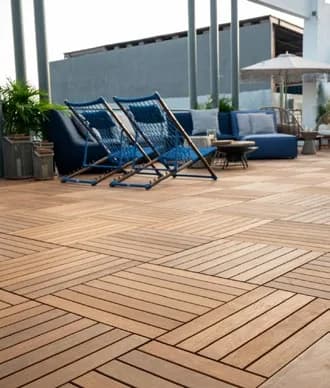
Understanding Garapa Deck Tiles as a Foundation
Garapa is a tropical hardwood known for its warm golden tones. It provides a durable and attractive surface for outdoor applications like terraces and balconies. Garapa deck tiles are typically pre-assembled modules designed for straightforward installation over a prepared, level sub-surface. These modules allow for air circulation beneath, which is crucial for preventing moisture buildup.
The standard sizes of Garapa deck tiles are 12" x 12" (1 square foot per tile) and 24" x 24" (4 square feet per tile). These dimensions are important when planning the placement and support for planters, as they dictate the grid and potential points of concentrated load. The space beneath the tiles is vital for drainage and air flow, and any planter placement should not obstruct these functions.
When planning for planters, remember that deck tiles are a finished surface, not structural elements. The support for both the tiles and the planters must come from the underlying structure, whether it's a concrete slab, a rooftop membrane system, or a properly designed subframe.
Drainage: A Critical Consideration for Planters
Proper drainage is paramount when placing planters on any deck tile surface. Planters hold moisture, and if that moisture cannot drain away effectively, it can pool on or under the deck tiles, potentially leading to issues such as staining, organic growth, or even compromising the underlying structure over time. Ensure all planters have functional drainage holes.
Consider using planter risers or feet to elevate planters slightly above the Garapa deck tile surface. This allows air to circulate underneath the planter and prevents standing water from accumulating directly on the tiles. It also ensures that any water draining from the planter can flow freely to the terrace's primary drainage system.
For larger or multiple planters, evaluate the overall drainage plan for your terrace. Ensure that the placement of planters does not inadvertently create dams that block the flow of water towards drains or scuppers. Strategic placement can help channel water away efficiently.
Weight Distribution and Structural Support
Planters, especially when filled with soil, water, and plants, can become very heavy. It is essential to understand the weight capacity of your existing terrace structure before placing any large or numerous planters. Deck tiles themselves do not add significant structural capacity; they merely distribute loads to the underlying surface.
For rooftop terraces or balconies, consult with a structural engineer or the building management to confirm the permissible live load for your specific area. Overloading a structure can have serious consequences. Even on ground-level concrete patios, heavy planters can create concentrated loads that may affect the sub-surface over time if not properly considered.
When placing heavy planters, try to distribute their weight over multiple deck tiles rather than concentrating it on a single tile or seam. For very heavy planters, consider placing them directly over structural support points of the sub-surface, or use a system that spreads the load more broadly, such as a sturdy base plate designed for this purpose.
Protecting Garapa Deck Tiles from Stains and Wear
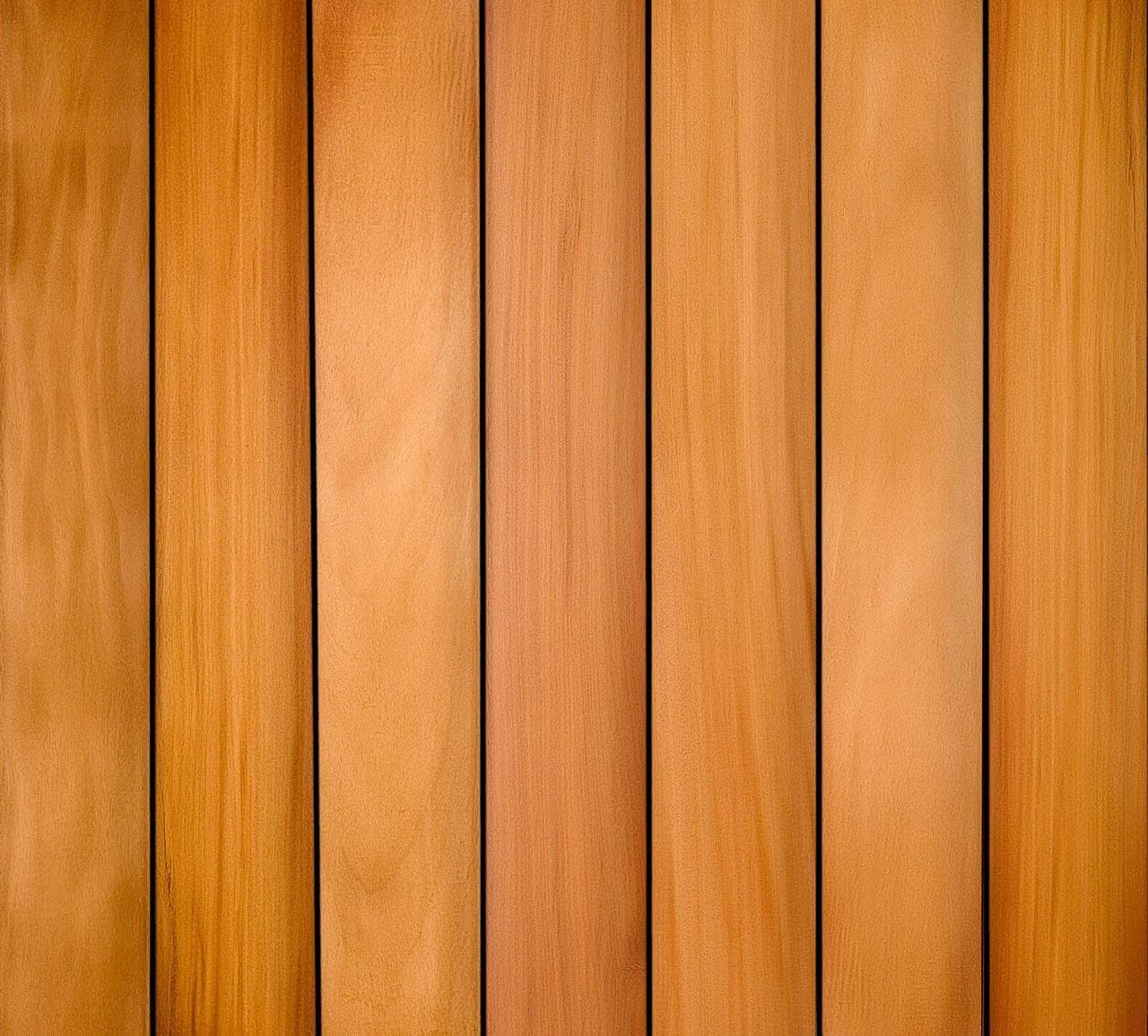
Water runoff from planters often contains soil, fertilizers, and minerals that can stain Garapa deck tiles. While Garapa is a durable hardwood, prolonged exposure to moisture and organic matter can lead to discoloration or the growth of mildew.
To minimize staining, use saucers or trays under planters, but ensure these also allow for air circulation and are regularly emptied. Alternatively, as mentioned, elevate planters with feet to allow drainage water to flow freely across the tile surface to the terrace's drainage system. Regular cleaning around planters can also help prevent stains from setting in.
Consider the movement of planters. Dragging heavy planters across Garapa deck tiles can scratch the surface. If you anticipate needing to move planters frequently for cleaning or seasonal changes, use furniture sliders or dollies to lift and transport them, or select planters with built-in wheels that are gentle on surfaces.
Worked Example: Planter Placement on a 24" x 24" Garapa Deck Tile Terrace
Imagine you have a terrace finished with 24" x 24" Garapa deck tiles. You wish to place two large rectangular planters, each measuring 24" x 48" at their base, along one edge. The terrace is supported by a concrete slab with adequate load-bearing capacity.
Step 1: Layout and Coverage. Each 24" x 48" planter would cover an area equivalent to two 24" x 24" deck tiles placed side-by-side. If you place them directly on the tiles, each planter rests on two full tiles.
Step 2: Drainage. For each planter, ensure it has multiple drainage holes. Place four sturdy, low-profile rubber feet (approximately 1" tall) under each corner of the planter. This elevates the planter, allowing water to drain freely across the Garapa tiles and preventing direct contact between the planter base and the tile surface.
Step 3: Weight Distribution. A 24" x 48" planter filled with soil and plants could weigh upwards of 200-300 pounds. By placing it on two 24" x 24" tiles, the weight is distributed over 8 square feet (4 sq ft per tile x 2 tiles). If your underlying slab has a uniform load capacity, this distribution is generally acceptable. If there are specific structural points, align the planters to distribute weight over those points.
Step 4: Maintenance Access. Position the planters so that you can still easily access the area around them for cleaning, sweeping, or inspecting the deck tiles and drainage. Avoid placing them in a way that creates a dead zone for maintenance.
Step 5: Edge Considerations. If the planters are placed near the edge of the terrace, ensure they do not obstruct any edge trim or fascia that is part of the deck tile installation.
Complementary Products for a Planter-Friendly Terrace
Beyond Garapa deck tiles, consider other products that enhance your planter setup. Ipe deck tiles and Cumaru deck tiles offer alternative tropical hardwood options with different color profiles, if you are planning a multi-zone terrace or coordinating with existing elements. Ipe provides deep chocolate tones, while Cumaru offers rich reddish-brown hues. All these hardwoods are suitable for similar outdoor applications.
For general deck tile installations, a variety of deck tile systems are available, including those designed for pedestal installations. While Garapa deck tiles are suitable for many applications, understanding the full range of deck tile options can help you make informed decisions for your entire outdoor project. Always ensure any chosen accessory, such as pedestals or risers, is compatible with the specific Garapa deck tile product and your sub-surface.
Explore various deck tile options to see which best fits your aesthetic and functional needs. The right combination of materials can create a cohesive and resilient outdoor living space.
Before you order
- Confirm the structural load capacity of your terrace or balcony.
- Choose planters with adequate drainage holes.
- Select planter risers or feet to elevate planters for air circulation and drainage.
- Plan planter placement to avoid obstructing terrace drainage paths.
- Consider the overall aesthetic and how planter sizes and shapes complement Garapa deck tiles.
- Factor in access for cleaning and maintenance around planters.
- Assess the need for saucers or trays and their impact on ventilation.
- Determine if heavy planters require additional load distribution measures.
Confirm installation details, approved uses and warranty terms in the current instructions for the exact product and profile. Your installer should verify the substrate, structure and applicable project requirements.
Questions to help you decide
Can I place very heavy planters directly on Garapa deck tiles?
While Garapa deck tiles are durable, they are a finished surface, not structural support. Very heavy planters should ideally be placed over structural support points of your underlying sub-surface, or their weight distributed using a wide, stable base. Always confirm the load-bearing capacity of your terrace structure before placing heavy items.
How do I prevent water stains from planters on my Garapa deck tiles?
To prevent water stains, ensure planters have good drainage and are elevated using risers or feet. This allows water to flow freely across the tile surface to the main drainage. Regularly clean around planters to remove any accumulated soil or debris. Using saucers can help, but ensure they don't trap moisture against the tiles.
Do I need to treat my Garapa deck tiles differently if I have planters?
The general maintenance for Garapa deck tiles remains the same. However, you may need to perform more frequent cleaning in areas around planters due to potential water runoff, soil accumulation, or leaf debris. Regular inspection of the tiles beneath and around planters is also advisable to catch any moisture issues early.
Ready to Enhance Your Terrace with Garapa Deck Tiles and Planters?
To get started, request a material quote with your project dimensions, desired Garapa deck tile profile (12" x 12" or 24" x 24"), and your ZIP code. We can confirm current availability and service options for your project.
Request a material quote →