Understanding Garapa Deck Tiles
Garapa is a tropical hardwood known for its warm, golden tones. Its appearance can bring a bright, inviting feel to outdoor living spaces. Garapa deck tiles are pre-assembled modules, typically with multiple wood slats secured to a backing, designed for easy installation over various surfaces.
The standard sizes for Garapa deck tiles are 12 x 12 inches (1 square foot per tile) and 24 x 24 inches (4 square feet per tile). Each tile's surface features a distinct wood grain direction from its individual slats. The way these tiles are oriented relative to each other creates the overall pattern of your deck surface.
Choosing between the 12 x 12 inch and 24 x 24 inch formats can influence the visual scale of your pattern. Smaller tiles can create a more detailed or intricate pattern, while larger tiles might result in a more expansive, uniform look with fewer seams. The choice often depends on the size of your project area and the desired visual impact.
Straight Pattern: Uniform and Linear
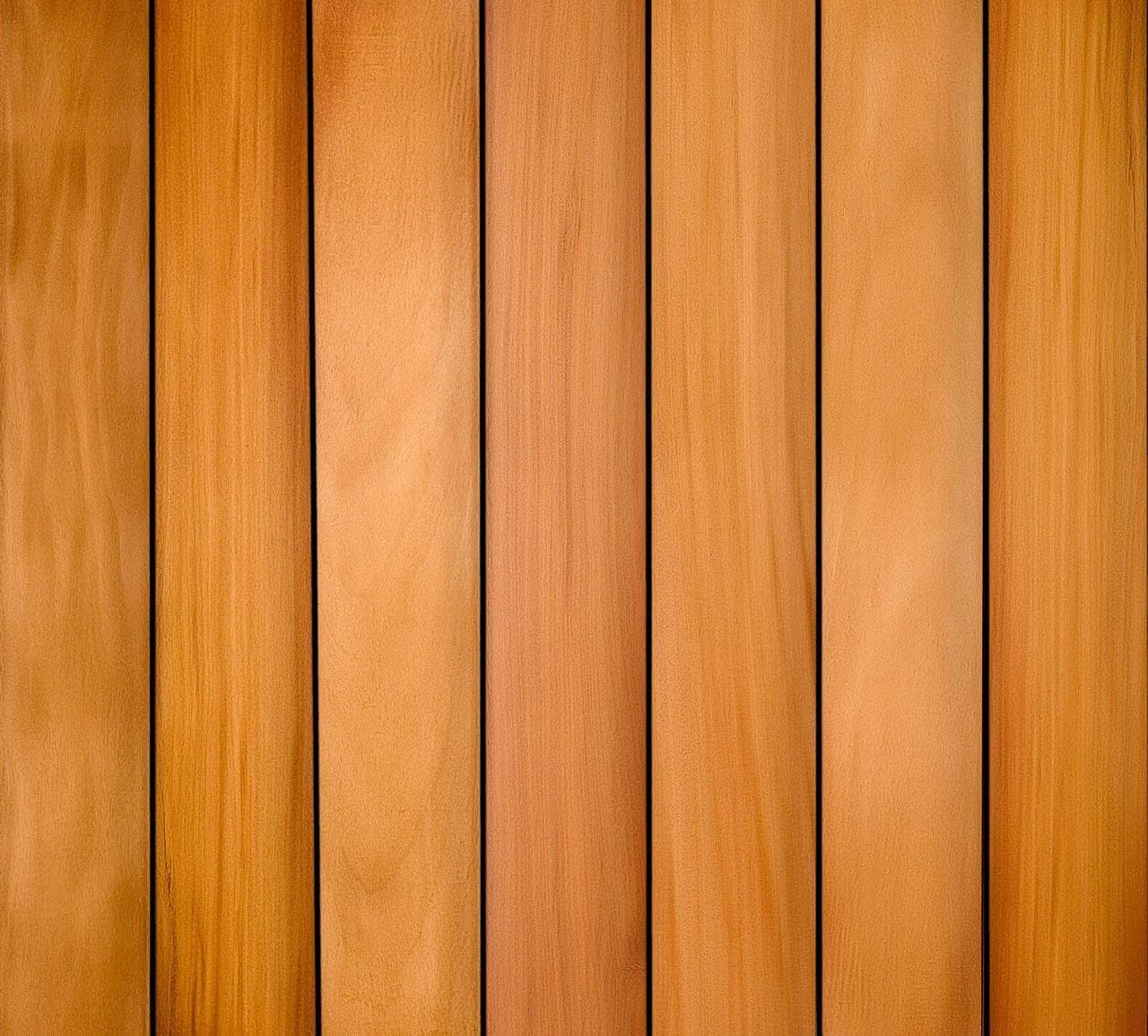
A straight pattern, sometimes called a linear or parallel pattern, is achieved by orienting all Garapa deck tiles in the same direction. This means the wood grain on every tile runs parallel to each other, creating a uniform, continuous line across the entire surface.
This pattern is often chosen for its simplicity and the sense of order it brings to a space. It can make a smaller area appear longer or wider, depending on the chosen orientation. For example, running the grain parallel to the longest dimension of a balcony can enhance the perception of depth.
Installation for a straight pattern is typically straightforward, as each tile is laid in the same orientation. This can simplify planning and potentially reduce the need for complex cuts at edges, though careful measurement is still essential.
Alternating Pattern: Dynamic and Checkerboard
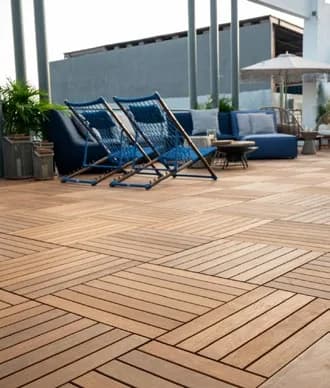
The alternating pattern involves rotating adjacent Garapa deck tiles 90 degrees relative to each other. This creates a checkerboard effect where the wood grain direction shifts from one tile to the next. This pattern introduces a more dynamic visual texture compared to a straight layout.
This pattern can add visual interest and break up large, open areas, preventing the surface from appearing monotonous. The alternating grain direction can also help to disguise minor imperfections in the sub-surface or slight variations in tile appearance.
When planning an alternating pattern, consider how the light will interact with the changing grain. The different orientations can create subtle shifts in color and sheen throughout the day, adding depth to your outdoor space. This pattern requires careful attention to tile orientation during installation to maintain the desired effect.
Zoned Patterns: Defining Spaces
Zoned patterns combine different layout directions to define distinct areas within a larger space. For example, a central dining area might feature an alternating pattern, while surrounding walkways or lounge areas use a straight pattern.
This approach is particularly useful for large terraces or rooftops where you want to create visual separation without physical barriers. Zoned patterns can help delineate functional zones, such as a dining area, a seating lounge, or a pathway.
Creating zoned patterns requires precise planning and accurate measurements. You will need to determine the exact boundaries of each zone and ensure that the transition between different patterns is clean and intentional. This may involve more complex cuts and a higher attention to detail during installation.
Worked Example: Designing a 10 x 12 Foot Terrace
Let's consider a hypothetical 10-foot by 12-foot terrace using 24 x 24 inch Garapa deck tiles. Each tile covers 4 square feet.
**Option 1: Straight Pattern.** To cover a 10-foot by 12-foot area (120 square feet), you would need 120 / 4 = 30 full tiles. If we lay the tiles with the grain running parallel to the 12-foot length, we would need 6 tiles along the 12-foot side (12 feet / 2 feet per tile = 6 tiles) and 5 tiles along the 10-foot side (10 feet / 2 feet per tile = 5 tiles). All tiles are oriented in the same direction, simplifying placement.
**Option 2: Alternating Pattern.** The same 30 full tiles are needed, but the orientation of every other tile is rotated 90 degrees. This creates a checkerboard effect. For a 5x6 grid of tiles, you would alternate the direction of the wood grain in each tile position. This requires more attention during placement to ensure the pattern is consistent.
**Option 3: Zoned Pattern.** Imagine we want a 6-foot by 8-foot central dining zone with an alternating pattern, surrounded by a straight pattern. The central zone is 48 square feet (6 x 8 feet), requiring 12 full tiles (48 / 4). The remaining area for the straight pattern would be 120 - 48 = 72 square feet, requiring 18 full tiles. This approach would involve precise cuts to create the boundary between the two patterns, potentially requiring a few extra tiles for waste.
Before you order
- What is the overall size and shape of your outdoor space?
- Do you prefer a uniform, linear look or a more dynamic, textural appearance?
- Are you planning to define different functional areas within your space?
- How will natural light affect the chosen pattern throughout the day?
- What is your comfort level with potential tile cuts and installation complexity?
- Have you considered the visual impact of tile seams with your chosen pattern?
- Will your pattern choice influence the quantity of tiles you should order to account for cuts?
Confirm installation details, approved uses and warranty terms in the current instructions for the exact product and profile. Your installer should verify the substrate, structure and applicable project requirements.
Questions to help you decide
Does the pattern choice affect the amount of material I need?
While the total square footage remains the same, a more complex pattern, especially one with zoned areas or intricate cuts around obstacles, may require a slightly higher waste factor. It's always advisable to order a small percentage of extra tiles (typically 5-10%) to account for cuts, potential damage, or future replacements, regardless of the pattern.
Can I combine different Garapa tile sizes in one pattern?
Yes, it is possible to combine 12 x 12 inch and 24 x 24 inch Garapa deck tiles to create unique patterns. However, this requires careful planning to ensure the dimensions align correctly and to maintain a cohesive look. This approach is best suited for experienced DIYers or professional installers.
How do I ensure a consistent pattern during installation?
Before you begin installation, lay out a small section of your chosen pattern without fastening the tiles. This 'dry run' allows you to visualize the pattern, confirm your orientation, and make any necessary adjustments. Using string lines or a chalk line can help keep your pattern straight and consistent across the entire project area.
Plan Your Garapa Deck Tile Project
Ready to transform your outdoor space with Garapa deck tiles? Request a material quote today. Provide your project dimensions, desired tile profile (12x12 or 24x24), and your ZIP code to confirm current availability and service options. Explore our full range of <a href="/deck-tiles">deck tiles</a>, including <a href="/deck-tiles/ipe">Ipe</a> and <a href="/deck-tiles/cumaru">Cumaru</a>, to find the perfect fit for your design.
Request a material quote →