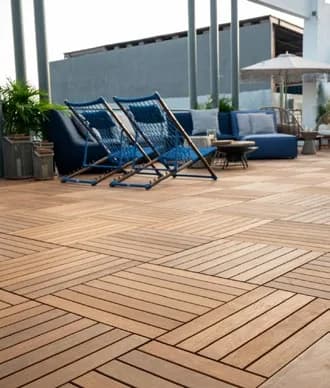
Understanding Your Existing Substrate
The foundation beneath your Garapa deck tiles is crucial. Most deck tile systems are designed to be placed on a solid, stable, and relatively level surface. Common substrates include concrete slabs, existing patios, or even certain types of rooftop membranes. Inspect the condition of your substrate for cracks, significant unevenness, or areas of pooling water.
For concrete or paved surfaces, check for any signs of deterioration or movement. A substrate that is not stable can lead to an uneven or unsafe deck tile installation. If the surface is significantly sloped, consider how this will impact the final level of your deck tiles and if a leveling system might be required. Always consult with a qualified professional if you have concerns about the structural integrity of your existing surface.
Assessing Drainage and Water Management
Effective drainage is paramount for any outdoor decking. Garapa deck tiles, like other wood products, perform best when not subjected to prolonged standing water. During your site inspection, observe how water currently drains from the area. Look for low spots where water collects after rain or during cleaning.
Ensure that any existing drains, scuppers, or weep holes are clear and will remain accessible after the deck tiles are installed. The design of your deck tile system, whether using pedestals or a direct-lay method, should always facilitate water flow away from the building and off the surface. Consider the height of your proposed deck tiles and how they might affect water movement around the perimeter or near building elements.
Checking Clearances and Thresholds
Measure the height from your existing substrate to the bottom of any doors, sliding glass door tracks, or other thresholds. This measurement is critical because it dictates the maximum height of your deck tile assembly, including any support system (like pedestals or sleepers).
Garapa deck tiles are available in standard dimensions, often around 1 inch thick. If you plan to use a pedestal system, factor in the height of the pedestals, which can vary. Ensure there is adequate space for the entire assembly without impeding door operation or creating a tripping hazard.

Identifying Fixed Obstacles and Irregularities
Walk the entire project area and note all fixed elements that will interact with your deck tile layout. This includes columns, railings, planters, HVAC units, light fixtures, and any other permanent structures. Measure their dimensions and their distance from walls or edges.
Consider how the grid of Garapa deck tiles will integrate with these obstacles. While tiles can often be cut to fit, extensive or complex cuts can increase material waste and installation time. Planning for these irregularities upfront can help you determine the optimal tile size (12 x 12 inches for more flexibility, or 24 x 24 inches for larger, open areas) and potential cutting requirements.
Also, assess the perimeter of your project. Will the deck tiles be flush with an adjacent surface, or will you need a finishing edge? Understanding these details during the inspection phase can refine your material list and installation strategy.
Reviewing Building Permissions and Property Lines
For many outdoor projects, especially those involving common areas, balconies, or rooftop terraces, local building codes or property management associations may have specific requirements or restrictions. Before purchasing, confirm whether your project requires permits or approvals.
This might include limitations on height, weight, materials, or even color. If you are in a multi-unit dwelling, check with your HOA or building management for any guidelines regarding balcony or rooftop modifications. Understanding these constraints upfront can prevent costly delays or rework later in the project.
Before you order
- Is the existing substrate stable, solid, and capable of supporting the deck tile system?
- Are there any significant cracks, unevenness, or areas of standing water on the substrate?
- Does the site have effective drainage, and will existing drains remain accessible?
- What is the available height clearance from the substrate to the bottom of all doors and thresholds?
- Are all fixed obstacles (columns, railings, HVAC units) identified and measured for layout planning?
- Are there any specific building codes, HOA rules, or property line considerations for this project?
- Have you considered the potential impact of weather exposure (e.g., coastal conditions) on material choice and maintenance planning?
- Will the chosen Garapa deck tile size (12x12 or 24x24) optimize your layout and minimize waste around obstacles?
- Do you have a plan for finishing the edges of the deck tile installation?
Confirm installation details, approved uses and warranty terms in the current instructions for the exact product and profile. Your installer should verify the substrate, structure and applicable project requirements.
Questions to help you decide
Can Garapa deck tiles be installed directly on an uneven concrete patio?
Generally, Garapa deck tiles require a stable and relatively level surface. While minor imperfections might be accommodated with certain support systems, significant unevenness can lead to an unstable or unsafe installation. For very uneven surfaces, leveling the substrate or using an adjustable pedestal system might be necessary. Always assess the degree of unevenness during your site inspection.
How much clearance is needed under a door for Garapa deck tiles?
The exact clearance needed depends on the thickness of the Garapa deck tile and any support system you plan to use. Garapa deck tiles are typically around 1 inch thick. If using a pedestal system, add the height of the pedestal. Always measure from the existing substrate to the bottom of your door or threshold, and aim for at least 1/2 to 1 inch of free space below the door sweep to ensure smooth operation and prevent scraping.
Do I need a permit to install Garapa deck tiles on my balcony?
Whether a permit is required depends on your local building codes and the rules of your property management or homeowner's association. For most residential balconies, if the deck tiles are a non-permanent, non-structural overlay, a permit may not be needed. However, it is crucial to verify this with your local building department and any relevant property management before starting your project to avoid potential issues.
Request a Material Quote for Garapa Deck Tiles
Ready to move forward with your project? Request a material quote by providing your project dimensions, desired Garapa deck tile profile, and ZIP code. We'll help confirm current availability and service options.
Request a material quote →