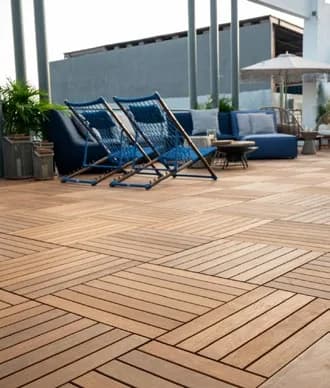
Why Garapa for Hotel Balconies?
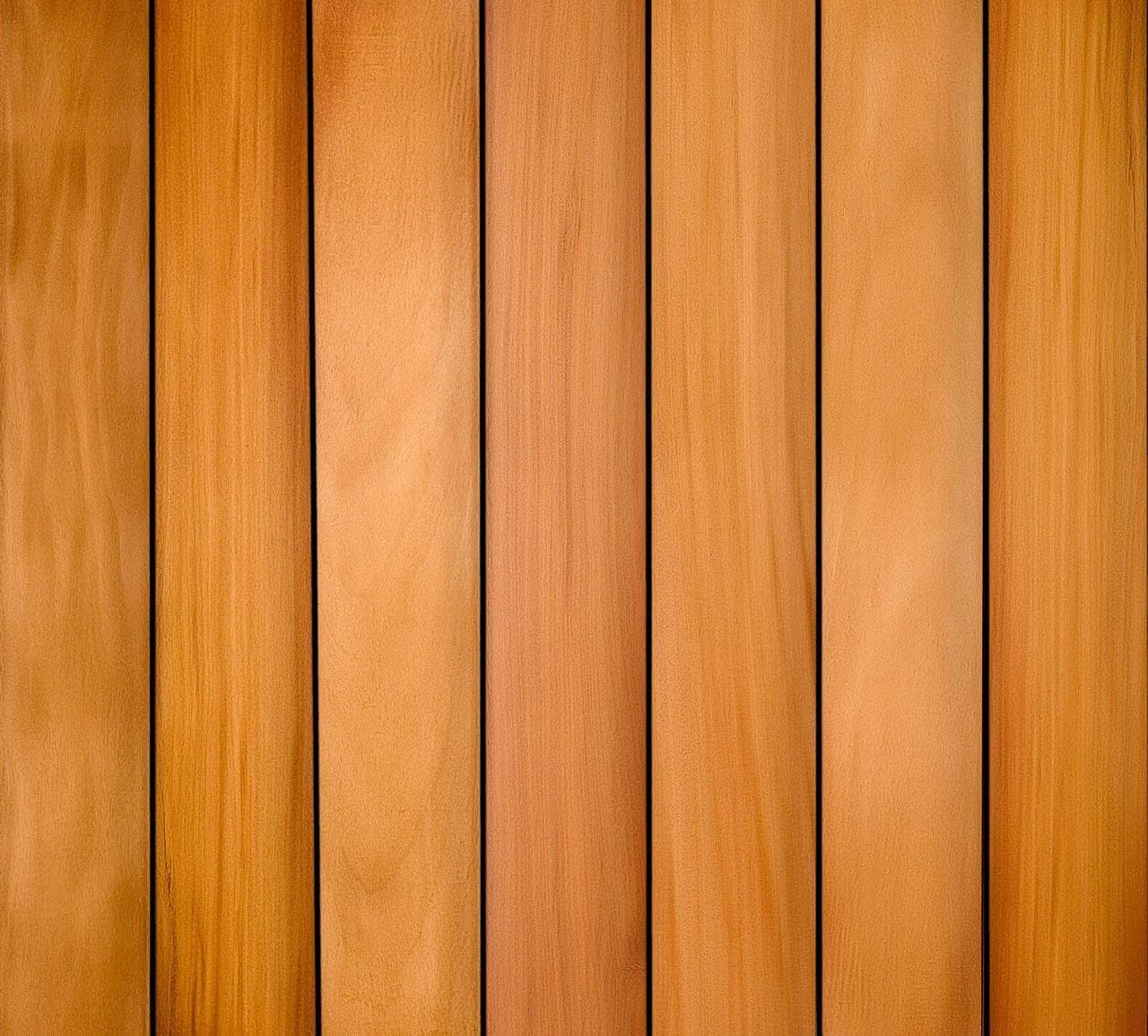
Garapa is a tropical hardwood known for its warm, golden-yellow color that can brighten outdoor spaces. This aesthetic quality makes it a suitable choice for hotel balconies, where creating an inviting and luxurious atmosphere is paramount. Its natural appearance offers a contrast to more common decking materials, providing a distinct look.
Beyond its visual appeal, Garapa offers practical benefits for commercial applications. It is naturally resistant to decay and insects, which contributes to its durability in outdoor settings. This resistance helps reduce the need for frequent replacement or extensive repairs, a valuable consideration for hotel properties managing multiple units. The wood's density also provides a stable surface for guests and outdoor furniture.
While not as hard as Ipe or Cumaru, it is still a robust choice for moderate to heavy foot traffic expected on hotel balconies. Its smooth grain can also contribute to a comfortable walking surface for guests.
Considering Tile Size and Layout for Repetitive Designs
Hotel balconies often require a standardized approach to design and installation. Garapa deck tiles are available in common sizes like 12" x 12" (1 square foot per tile) and 24" x 24" (4 square feet per tile). The choice of tile size can significantly impact the visual flow and installation efficiency for repetitive layouts.
Smaller 12" x 12" tiles may be suitable for compact balconies or designs with intricate edges and transitions, allowing for more precise fitting. However, they will result in more seams across the surface. Larger 24" x 24" tiles can cover more area with fewer seams, potentially creating a more expansive feel and simplifying installation for larger, open balcony spaces.
For hotel projects, consistent layout is crucial. A detailed installation plan should account for the dimensions of each balcony, ensuring that tile cuts are minimized and placed uniformly across all units. This consistency aids in a polished appearance and can simplify future maintenance or tile replacement.
Ensuring Guest Comfort and Safety
Guest comfort is a primary concern for hotel balconies. Garapa's smooth surface contributes to a pleasant underfoot experience. When planning, consider the surface temperature of the tiles in direct sunlight. While wood generally absorbs less heat than some other materials, direct sun exposure on any surface can lead to warmth. Providing shade or selecting lighter-toned finishes can help manage surface temperature.
The installation method should ensure a stable and level surface to prevent tripping hazards. Deck tiles are typically installed over a prepared sub-surface, often using a pedestal system or sleepers, to ensure proper drainage and stability. Adequate spacing between tiles is also necessary for water runoff and to accommodate natural expansion and contraction of the wood.
Consider the integration of furniture and other balcony amenities. The deck tile system should be robust enough to support typical outdoor furniture without shifting or damage. If planters or other heavy items are planned, ensure the sub-structure and tile system can accommodate the additional weight without compromising stability or drainage.
Planning for Maintenance Access and Operational Efficiency
Hotel environments demand efficient maintenance. Garapa deck tiles, when installed with a removable system (such as certain pedestal types), can allow for easy access to the sub-surface for inspections, cleaning, or repairs of underlying membranes, drains, or utilities. This is a significant advantage over permanently fixed decking.
Regular cleaning is essential to maintain the appearance of Garapa. While Garapa is durable, a consistent cleaning schedule will help prevent the buildup of dirt and grime, especially in high-traffic areas. The warm golden tones of Garapa can be preserved with periodic application of a UV-inhibiting finish, or allowed to weather to a silver-gray patina.
For hotel operations, the ability to quickly address spills or isolated damage is important. Individual Garapa deck tiles can often be replaced without disturbing the entire installation, provided the system allows for it. Stocking a small quantity of spare tiles can be a strategic decision for prompt repairs and consistent aesthetics across all balconies.
Worked Example: Balcony Tile Quantity for a Standard Hotel Room
Let's consider a hypothetical hotel balcony with dimensions of 8 feet wide by 5 feet deep. The total area is 40 square feet. We will use 24" x 24" Garapa deck tiles, which each cover 4 square feet.
For the 8-foot width, we would need 4 tiles (8 feet / 2 feet per tile = 4 tiles). For the 5-foot depth, we would need 2.5 tiles (5 feet / 2 feet per tile = 2.5 tiles). Since tiles cannot be cut exactly in half and typically need full support, we would plan for 3 tiles in depth to ensure full coverage and account for cuts.
Therefore, the layout would be 4 tiles across by 3 tiles deep, totaling 12 tiles (4 x 3 = 12 tiles). This accounts for the partial tile cut along the 5-foot depth. The portion cut from the third row of tiles for the 5-foot depth (a 2-foot by 1-foot section from each tile) could potentially be used for other small edge pieces if the layout permits, but it is safer to assume these are waste or for very minor adjustments. For this balcony, 12 tiles would be the minimum purchase quantity.
For a hotel with 50 identical balconies, the total quantity would be 50 balconies * 12 tiles/balcony = 600 tiles. It is always prudent to order an additional 5-10% for waste, cuts, and future replacements, bringing the total to approximately 630-660 tiles for the project.
Before you order
- Confirm sub-surface condition and drainage for each balcony.
- Determine the optimal Garapa deck tile size (12"x12" or 24"x24") for visual consistency and installation efficiency.
- Plan a consistent tile layout across all balconies, minimizing visible cuts.
- Verify the chosen installation system (e.g., pedestals, sleepers) supports guest comfort and allows for maintenance access.
- Consider the impact of direct sunlight on tile surface temperature and plan for shade or lighter finishes if needed.
- Account for the weight of outdoor furniture and planters in the structural planning.
- Establish a clear maintenance schedule for cleaning and finish application.
- Budget for spare Garapa deck tiles for future repairs and replacements.
Confirm installation details, approved uses and warranty terms in the current instructions for the exact product and profile. Your installer should verify the substrate, structure and applicable project requirements.
Questions to help you decide
How do Garapa deck tiles hold up to heavy foot traffic?
While it is not as hard as some other tropical hardwoods like Ipe, it is still robust enough for typical hotel balcony use. Regular maintenance and a stable installation system will contribute to its longevity.
Can Garapa deck tiles be removed for maintenance underneath?
Yes, many Garapa deck tile systems, particularly those installed on adjustable pedestals or certain grid systems, are designed to be removable. This allows for convenient access to the sub-surface for cleaning, inspections, or repairs of underlying membranes, drains, or utilities without disturbing the entire deck.
What kind of maintenance do Garapa deck tiles require for hotel applications?
For hotel applications, regular cleaning to remove dirt and debris is important. If you wish to maintain the warm golden color of Garapa, periodic application of a UV-inhibiting oil or sealer is recommended. Without treatment, Garapa will naturally weather to a silver-gray patina over time. Always follow manufacturer guidelines for specific cleaning products and finishes.
Request a Quote for Your Hotel Balcony Project
Planning a hotel balcony renovation or new construction? Request a material quote for Garapa Deck Tiles. Provide your project dimensions, desired tile profile (12"x12" or 24"x24"), and ZIP code to confirm current availability and service options for your project.
Request a material quote →