
Understanding Garapa Deck Tiles
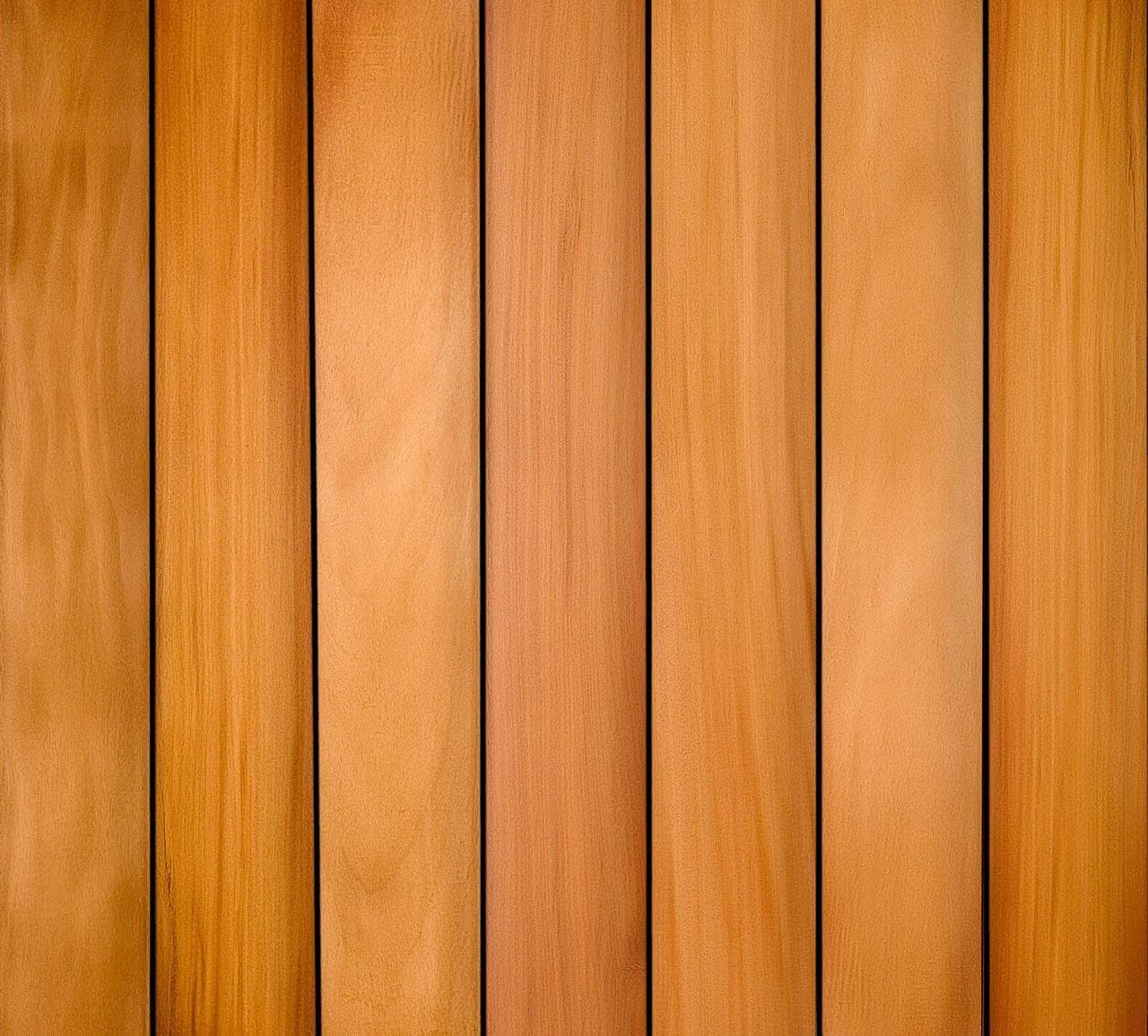
Garapa deck tiles are crafted from Garapa hardwood, known for its warm, golden-yellow to honey-brown coloration. This tropical hardwood offers a distinct appearance that can brighten terraces, balconies, and outdoor rooms. They are available in standard dimensions like 12 x 12 inches and 24 x 24 inches, providing flexibility for various patio sizes and layout preferences. The 12 x 12 inch format is suitable for smaller areas or designs with more intricate edges, while the 24 x 24 inch format can cover larger open surfaces with fewer visible seams.
These tiles are designed for outdoor applications, offering a way to create a finished surface over an existing substrate. The underlying structure and installation method are critical to their performance and longevity. While Garapa is a durable material for outdoor use, its suitability for a specific project depends on the preparation of the surface it covers.
For more information on Garapa, Ipe, and Cumaru deck tiles, see our main deck tiles page and specific product pages: Garapa Deck Tiles, Ipe Deck Tiles, and Cumaru Deck Tiles.
The 12 x 12 inch tile measures 12" x 12", covering 1 square foot per tile. The 24 x 24 inch tile measures 24" x 24", covering 4 square feet per tile.
Assessing the Concrete Patio's Slope and Drainage
One of the most critical factors for installing deck tiles over concrete is the existing patio's slope and drainage. Concrete patios are typically designed with a slight slope to direct water away from the adjacent building foundation. This slope is essential for preventing water accumulation, which can lead to moisture issues, mold growth, or even structural damage over time.
Before installing Garapa deck tiles, you must confirm that the concrete patio maintains an adequate slope for drainage. If water pools on the concrete surface, it will likely pool beneath the deck tiles as well. This trapped moisture can compromise the integrity of the deck tiles, lead to staining, or create an environment for mildew. The deck tiles themselves are not designed to create or correct a slope; they rely on the underlying surface to provide proper water runoff. Ensure any existing drains are clear and accessible, and consider how the deck tile installation might affect water flow to these drains.
Checking for Concrete Surface Soundness and Condition
The concrete patio must be structurally sound and free from significant damage. Inspect the entire surface for cracks, spalling (flaking or chipping), uneven areas, or signs of settling. Minor surface imperfections might be tolerable if the deck tiles are installed on a pedestal system, which can accommodate slight variations. However, major cracks or significant crumbling indicate a compromised base that needs repair before any overlay.
Any loose debris, dirt, or organic growth on the concrete should be thoroughly cleaned. A pressure wash can be effective, but allow ample time for the concrete to dry completely before proceeding with any installation. A clean, stable surface provides the best foundation for deck tiles, whether they are laid directly or elevated on a support system.
Ventilation and Airflow Considerations
When placing any material over a concrete slab, ensuring adequate ventilation is important. Trapping moisture beneath the deck tiles without proper airflow can create a humid environment that is not ideal for wood products. If the tiles are laid directly on the concrete, ensure there are sufficient gaps between the tiles or at the edges of the installation to allow for air circulation. If using a pedestal system, the elevated design naturally provides a gap for airflow.
Consider the surrounding environment as well. If the patio is enclosed or partially enclosed, the lack of natural air movement might necessitate additional planning for ventilation to prevent moisture buildup underneath the deck tiles.
Hypothetical Project Example: A 10x12 Foot Patio
Consider a hypothetical concrete patio measuring 10 feet by 12 feet, totaling 120 square feet. The owner wants to install 24 x 24 inch Garapa deck tiles. Each 24 x 24 inch tile covers 4 square feet. To cover 120 square feet, approximately 30 tiles would be needed (120 sq ft / 4 sq ft per tile = 30 tiles).
Before ordering, the owner checks the patio:
1. **Slope:** Using a long level and a measuring tape, they verify the patio slopes away from the house at a consistent rate of 1/8 inch per foot. Water drains effectively after a rain shower, indicating good existing drainage.
2. **Soundness:** They inspect for cracks, finding only a few hairline cracks that do not indicate structural instability. The surface is solid and does not show signs of spalling.
3. **Cleaning:** The patio is pressure washed and allowed to dry for 48 hours to remove all dirt and debris.
This also ensures water can escape from under the tiles.
For this project, with good existing conditions and careful planning for ventilation, the Garapa deck tiles would be a suitable overlay. The owner would order slightly more than 30 tiles to account for any cuts needed around obstacles or edges, perhaps 32-34 tiles for a buffer.
Before you order
- Is the concrete patio structurally sound with no significant cracks, crumbling, or settling?
- Does the patio have an adequate slope (typically 1/8 to 1/4 inch per linear foot) to ensure water drains away from the building?
- Are there any areas where water currently pools on the concrete surface?
- Are existing drains clear and will they remain accessible and functional after tile installation?
- Is the concrete surface clean and free from loose debris, dirt, and organic growth?
- Will there be sufficient ventilation and airflow beneath the deck tiles to prevent moisture buildup?
- Have you considered how the height of the deck tiles will affect door thresholds or adjacent landscaping?
- Do you have a plan for cutting tiles to fit around obstacles or irregular edges?
Confirm installation details, approved uses and warranty terms in the current instructions for the exact product and profile. Your installer should verify the substrate, structure and applicable project requirements.
Questions to help you decide
Can Garapa deck tiles be installed directly on an uneven concrete patio?
Garapa deck tiles should ideally be installed on a relatively flat and level surface. While minor variations might be manageable with some installation methods, significant unevenness can lead to an unstable surface, tripping hazards, and improper drainage. For uneven patios, a pedestal system can sometimes help level the surface and improve drainage, but major structural issues in the concrete should be addressed first.
How do I ensure proper drainage when installing Garapa deck tiles over concrete?
Proper drainage starts with the existing concrete patio having an adequate slope away from any structures. The deck tiles themselves should not impede this drainage. If using a direct lay method, ensure there are small gaps between tiles and at the perimeter to allow water to flow through and away. If using a pedestal system, the elevation naturally facilitates drainage beneath the tiles, provided the underlying concrete still slopes correctly.
Do I need to seal the concrete patio before installing deck tiles?
Sealing the concrete patio is not strictly required for the installation of Garapa deck tiles, as the tiles are designed to be a separate, overlaying surface. However, ensuring the concrete is clean and dry is important. If the concrete has significant porosity or existing moisture issues, consulting with a concrete professional about a suitable sealer or moisture barrier might be beneficial, especially if a direct-lay method is chosen and ventilation is limited.
Ready to Transform Your Patio with Garapa Deck Tiles?
Request a material quote today by providing your project dimensions, desired tile profile (12x12 or 24x24), and ZIP code. We'll help you confirm current availability and service options for your project.
Request a material quote →