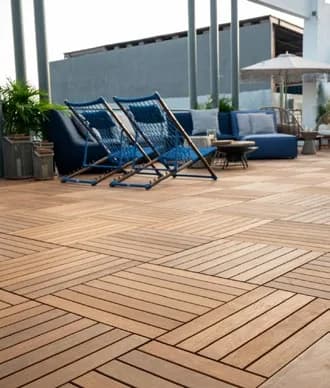
Understanding Garapa Deck Tiles
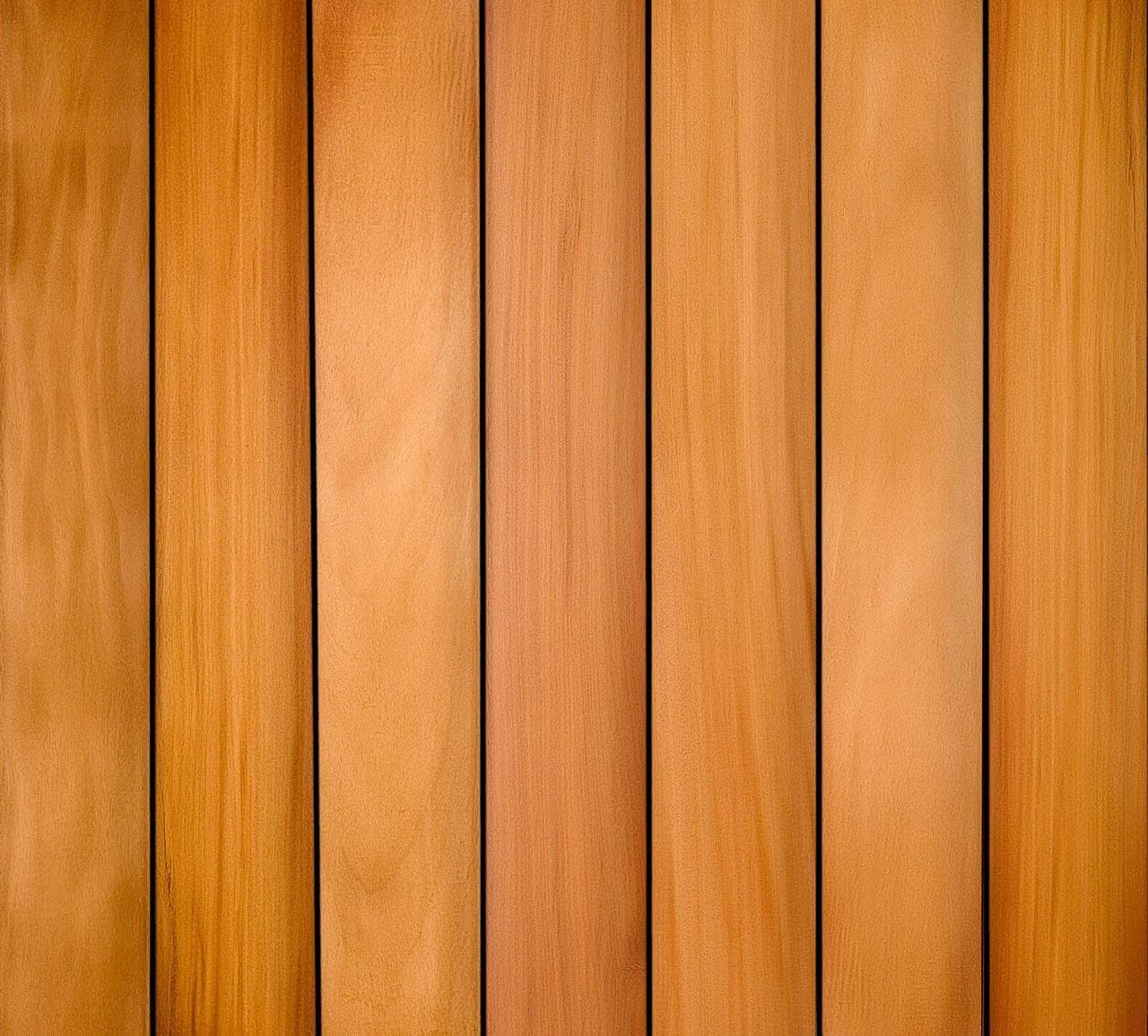
Garapa is a tropical hardwood known for its warm, golden tones that can brighten any outdoor space. It is available in common dimensions like 12 x 12 inch and 24 x 24 inch formats, offering versatility for various project sizes. The 12 x 12 inch tile provides a compact square format suitable for smaller areas or layouts requiring more edges and transitions, while the 24 x 24 inch tile offers a larger square format for more expansive terraces with fewer visible seams.
Like other hardwoods, Garapa can be a durable choice for exterior use. However, its performance in a coastal setting is significantly influenced by the surrounding environment and the other materials it interacts with.
You can explore the available Garapa deck tile options at our product page: Garapa Deck Tiles.
The Impact of Coastal Exposure on Deck Tiles
Coastal environments present unique challenges for outdoor building materials. The most significant factors are salt spray, high humidity, and increased UV radiation. Salt particles carried by the wind can deposit on surfaces, leading to accelerated corrosion of metals and potential surface degradation of some materials.
While Garapa hardwood itself is generally resistant to rot and insect damage, the fasteners, support systems, and any metal components used in the deck tile assembly are particularly vulnerable to salt-induced corrosion. This accelerated corrosion can compromise the structural integrity of the installation over time, even if the wood remains sound.
Choosing Corrosion-Resistant Fasteners
For coastal projects, selecting the correct fasteners is paramount. Standard galvanized or zinc-plated screws and clips, while suitable for many inland applications, may corrode rapidly when exposed to salt spray. This corrosion can lead to unsightly rust stains on the wood, weakening of connections, and ultimately, failure of the deck tile assembly.
These materials offer superior resistance to salt water corrosion. Ensure that all screws, clips, and any other metal components, including those within pedestal systems or substructures, are specified for coastal environments. Even small metal parts, such as the pins connecting individual tile slats to their base, should be reviewed for their corrosion resistance.
Substructure and Drainage Considerations
The substructure beneath your Garapa deck tiles is just as important as the tiles themselves, especially in coastal areas. A well-designed substructure promotes proper drainage, preventing standing water that can exacerbate moisture-related issues and salt buildup. Ensure that the substrate beneath the tiles slopes adequately to allow water to run off.
If using a pedestal system, verify that the pedestals and their components are made from corrosion-resistant materials or high-grade plastics designed for outdoor, high-humidity, and potentially salty conditions. Good air circulation beneath the tiles is also crucial to help dry out the assembly after rain or heavy humidity, reducing the time that salt and moisture can affect the materials.
Worked Example: Coastal Balcony Project
Imagine a 10-foot by 15-foot apartment balcony overlooking the ocean. The homeowner wants to install Garapa deck tiles to create a warm, inviting outdoor space. They choose 24 x 24 inch Garapa deck tiles for a more open look. The total area is 150 square feet.
For this project, the critical decision points for coastal exposure would be:
1. **Tile Quantity Calculation:** Each 24 x 24 inch tile covers 4 square feet. For 150 square feet, this would be 150 / 4 = 37.5 tiles. To accommodate cuts and potential waste, ordering 39-40 tiles would be a reasonable starting point, assuming edge cuts can be made cleanly and offcuts reused where practical.
If the tiles are installed on a pedestal system, the pedestals themselves and any leveling shims or connecting pieces must be verified as suitable for coastal, salty air conditions.
3. **Substructure Review:** The existing balcony slab must have a sufficient slope for drainage. If not, a self-leveling compound or adjustable pedestals will be necessary to create a proper pitch, further protecting the entire assembly from prolonged moisture and salt exposure. Adequate gaps between tiles must be maintained to ensure water can drain through to the sloped sub-surface.
This example highlights that while Garapa wood can be suitable, the success of the project hinges on selecting the right supporting components and ensuring proper drainage for the specific coastal environment.
Maintenance Considerations for Coastal Garapa
While Garapa deck tiles are relatively low maintenance, coastal environments may require slightly more frequent attention. Regular rinsing with fresh water can help remove salt deposits from the surface, which might otherwise accumulate and potentially affect the wood's appearance over time. This is especially important after periods of heavy salt spray.
Periodically inspect fasteners and the substructure for any signs of corrosion or wear. Addressing these issues promptly can help prolong the life of your deck tile installation. If you choose to apply a finish to your Garapa, select one designed for exterior use in high-UV and potentially humid conditions, and be prepared for more frequent reapplication due to the harsh coastal elements.
Before you order
- Confirm exposure level: Is the area subject to direct salt spray or just salty air?
- Verify the corrosion resistance of any pedestal system components or substructure materials.
- Ensure adequate drainage and air circulation beneath the deck tiles.
- Plan for regular rinsing with fresh water to remove salt deposits.
- Consider the impact of strong winds on the deck tile assembly and any perimeter edging.
- Review any manufacturer's specific guidance for coastal applications.
- Obtain samples of Garapa and any proposed fasteners to assess their appearance and confirm suitability.
Confirm installation details, approved uses and warranty terms in the current instructions for the exact product and profile. Your installer should verify the substrate, structure and applicable project requirements.
Questions to help you decide
Can Garapa deck tiles withstand direct salt spray?
Garapa hardwood itself is generally durable for outdoor use. However, prolonged direct salt spray can impact its surface appearance over time and, more critically, accelerate the corrosion of non-marine-grade metal fasteners and substructure components. It's essential to pair Garapa with highly corrosion-resistant hardware and maintain good drainage.
What type of fasteners should I use with Garapa deck tiles in a coastal area?
These offer superior resistance to corrosion from salt water and salty air compared to standard galvanized or zinc-plated options, which can degrade rapidly in such environments.
Do I need to treat Garapa deck tiles differently for coastal use?
While the Garapa wood itself doesn't typically require special treatment beyond standard outdoor maintenance, the overall assembly benefits from specific considerations. Regular rinsing with fresh water helps remove salt deposits. Crucially, ensure all supporting hardware and substructure components are rated for coastal exposure to prevent premature failure due to corrosion.
Plan Your Coastal Garapa Deck Tile Project
Ready to enhance your coastal outdoor space with Garapa deck tiles? Provide your project dimensions, desired tile profile (e.g., 12x12 or 24x24), and ZIP code to request a material quote. We can help you confirm current availability and service options for your specific needs. Visit our Contact Us page to get started.
Request a material quote →