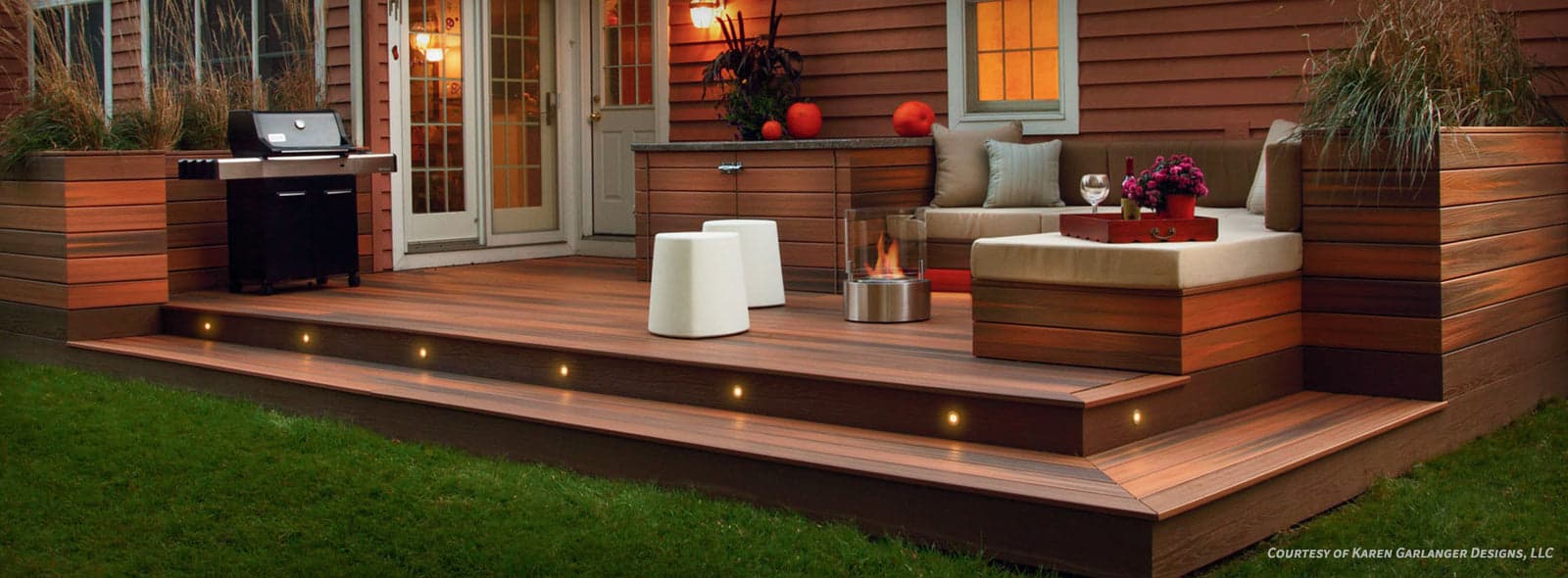
Why Choose Face Fastening for Fiberon Decking?
Face fastening provides a direct and robust connection between the deck board and the joist. This method can be particularly advantageous for certain deck designs or in areas where maximum board stability is desired. While hidden fasteners offer a seamless surface, face fastening, when done with precision and the correct hardware, can create a durable and visually appealing installation.
One key benefit is the strong hold, which can be reassuring for high-traffic areas or deck sections subjected to heavier loads. Additionally, face fastening is often simpler for installers to execute, potentially reducing labor time compared to some hidden fastening systems. The visible fastener can also be an intentional design choice, particularly when using color-matched screws or plugs to complement the decking.
Understanding Fiberon Decking Profiles and Fastener Compatibility
Fiberon offers both grooved-edge and square-edge boards. While grooved-edge boards are designed for hidden fastening clips, square-edge boards are specifically intended for face fastening, often used for perimeter boards, stair treads, or for the entire deck surface. Face fastening is also suitable for the square-edge side of a grooved board when used as a border.
The standard Fiberon board profile is 1" x 5.5". This consistent dimension across lines like Concordia, Sanctuary, and Good Life means that face-fastening techniques will generally apply, though specific screw lengths may vary based on joist material and board thickness. Always confirm the exact board profile and manufacturer recommendations for your chosen Fiberon product.
Consider the overall deck design. For instance, a picture-frame border around your deck perimeter will typically use square-edge boards that are face-fastened, creating a clean, defined edge. Matching fascia and riser boards are also typically face-fastened.
Selecting the Right Face Fasteners
The choice of fastener is critical for both performance and aesthetics. Fiberon recommends specific types of composite deck screws designed to prevent mushrooming and provide a secure hold without splitting the board. These screws often feature specialized threads and head designs.
Look for screws made from corrosion-resistant materials, such as stainless steel or coated fasteners, especially for outdoor applications where exposure to moisture is constant.
While generic deck screws might seem suitable, using manufacturer-approved or recommended composite deck screws is important. These screws are engineered to work with the specific material properties of capped composite decking, minimizing issues like bulging around the screw head, also known as 'mushrooming'.
The Role of Pilot Holes and Countersinking
For most composite decking, drilling pilot holes is a recommended, and often essential, step before driving screws. Pilot holes help prevent cracking or splitting of the board, especially near the ends or edges. They also ensure the screw drives cleanly and sits flush with or slightly below the deck surface.
Countersinking creates a conical recess for the screw head, allowing it to sit flush or slightly below the surface of the deck board. This is crucial for a smooth finish and to prevent the screw head from catching on feet or furniture. For face-fastened Fiberon boards, proper countersinking is key to achieving a professional appearance.
When using a plug system, a specialized counterbore bit is used to create a larger, uniform hole that accommodates both the screw head and the plug. This ensures the plug fits snugly and flush with the deck surface, effectively concealing the fastener.
Integrating Color-Matched Plugs for a Refined Finish
For a truly refined face-fastened deck, color-matched plug systems are an excellent option. These systems involve driving a screw into a pre-drilled and counterbored hole, then inserting a small, color-matched composite plug to conceal the screw head entirely. The result is a smooth, fastener-free appearance similar to hidden fasteners, but with the direct attachment of face screws.
Fiberon offers a range of colors, including Ipe, Bordeaux, Graphite, Chestnut, Moringa, Espresso, Cabin, and Beach House. When choosing a plug system, ensure the plugs are specifically designed to match your chosen Fiberon decking line and color. This attention to detail significantly elevates the final aesthetic of the deck.
A worked example: Imagine a 10-foot by 12-foot deck using Fiberon Sanctuary in Chestnut. If you decide on a face-fastened installation with plugs, your installer would use a specialized bit to drill a pilot hole and counterbore for each fastener. For a 10-foot wide deck, using 5.5-inch wide boards, you'd need roughly 22 boards (10 feet / 0.458 feet per board). This level of detail highlights the importance of precise measurement and ordering.
Maintenance Considerations for Face-Fastened Decks
While Fiberon decking is known for its low maintenance, requiring only a soap-and-water wash, the type of fastening can influence long-term care. Face-fastened decks, particularly those without plugs, will have exposed screw heads. It's important to periodically inspect these fasteners to ensure they remain flush with the deck surface.
Over time, changes in temperature and moisture can cause slight movement in decking materials, potentially leading to screw heads becoming slightly proud of the surface. If this occurs, they can typically be re-driven or replaced. For decks with plug systems, the plugs should remain secure and flush, but occasional inspection is still advisable.
Routine cleaning with a soft brush or mop will generally not affect face fasteners or plugs. Avoid using harsh chemicals or power washers on exposed screw heads, as this could potentially damage the fastener or the surrounding composite material.
Before you order
- Confirm the specific Fiberon decking line and whether square-edge boards are available or preferred for face fastening.
- Discuss fastener type with your installer: composite deck screws, color, and material (e.g., stainless steel).
- Determine if a plug system will be used for a concealed fastener aesthetic.
- Verify the spacing of fasteners and whether pilot holes and countersinking are planned.
- Consider the impact of face fastening on the overall deck design and any border or stair details.
- Review the installer's experience with face-fastening composite decking and plug systems.
Confirm installation details, approved uses and warranty terms in the current instructions for the exact product and profile. Your installer should verify the substrate, structure and applicable project requirements.
Questions to help you decide
Can I face-fasten grooved Fiberon boards?
While grooved Fiberon boards are primarily designed for hidden fastening systems, their square-edge side can be face-fastened, typically when used as a perimeter board or for stair treads. For the main deck surface, square-edge Fiberon boards are generally recommended for full face-fastening applications.
What kind of screws should I use for face-fastening Fiberon decking?
It is recommended to use specialized composite deck screws that are designed to prevent mushrooming and provide a secure hold in composite materials. These screws often have unique thread patterns and head designs. Always refer to Fiberon's installation guidelines or consult with your supplier for specific product recommendations, and ensure they are corrosion-resistant.
Are color-matched plugs necessary for face-fastening?
Color-matched plugs are not strictly necessary for structural integrity, but they are highly recommended for achieving a clean, finished appearance. They conceal the screw heads, providing a smooth deck surface that mimics the look of hidden fasteners. If aesthetics are a priority, a plug system is a worthwhile investment.
Ready to Plan Your Fiberon Decking Project?
Request a material quote with your project dimensions, exact Fiberon profile, and ZIP code to confirm current availability and service options. Our team can help you identify the right materials for a face-fastened installation.
Request a material quote →