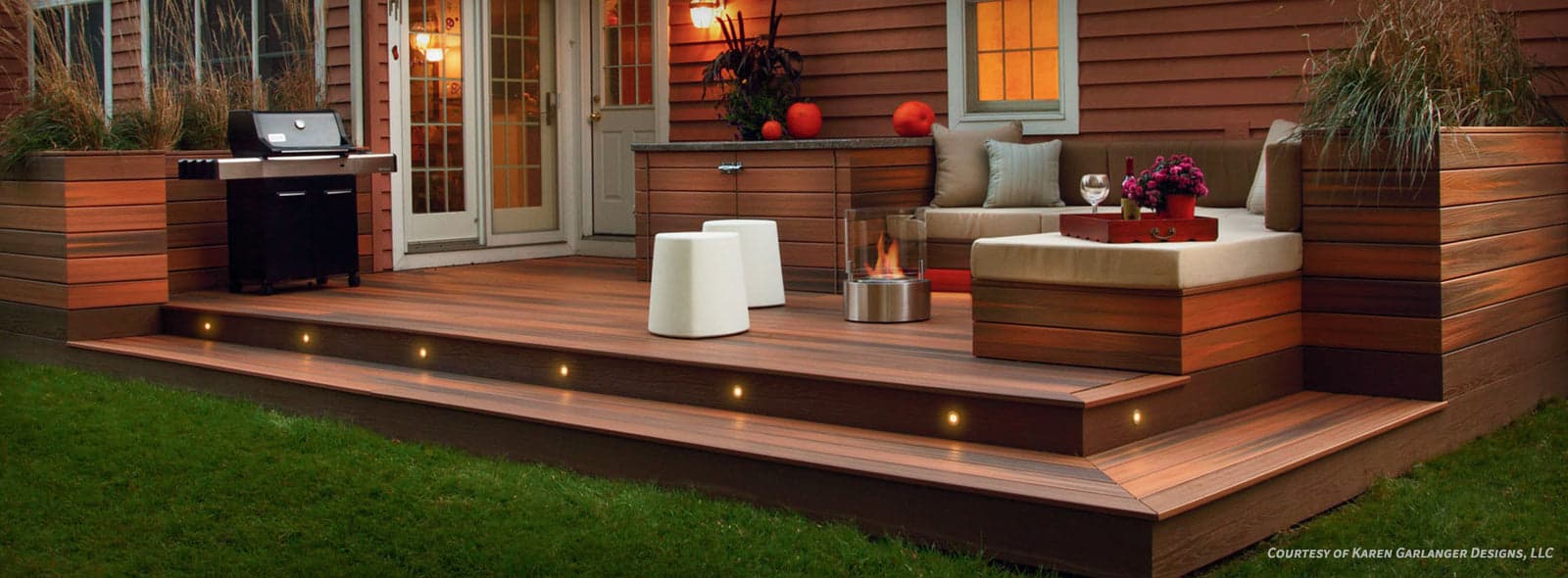
Understanding Fiberon Decking Material Characteristics
Fiberon decking boards are made from a capped wood-plastic composite, with some lines containing up to 94% recycled content by weight. These boards are available in profiles such as 1" x 5.5" in both grooved and square edge options. Standard lengths include 12, 16, and 20 feet. While robust, composite decking can be susceptible to surface scuffs, scratches, or warping if not stored correctly or exposed to prolonged, uneven heating.
The specific characteristics of Fiberon boards, such as their length and weight, dictate the handling and storage requirements. Longer boards, especially, require sufficient support to prevent bowing or bending. Understanding these material properties is the first step in planning effective logistics for your project. Fiberon offers lines like Concordia (four-sided capped), Sanctuary (three-sided capped), and Good Life (scalloped profile), each with specific handling nuances due to their construction.
Preparing Your Jobsite for Delivery
Before delivery, clear a designated staging area on your jobsite. This area should be flat, dry, and easily accessible for the delivery vehicle, while also being out of the way of ongoing construction and daily foot traffic. Consider the turning radius and size of a delivery truck; tight driveways or narrow access points may require alternative offloading strategies.
Ensure the path from the delivery point to the storage area is clear of obstacles. Protect any existing landscaping or structures that might be impacted during material transfer. If the delivery involves heavy bundles, confirm that the ground surface is firm enough to support the weight of the materials and any lifting equipment without sinking or damage.
Proper Storage of Fiberon Decking Boards
Fiberon decking should be stored on a flat, level surface to prevent warping or bowing. Use appropriate dunnage (spacers) to elevate the bundles off the ground, protecting them from moisture and allowing for air circulation. The dunnage should be evenly spaced, typically every 2 feet, to provide consistent support along the entire length of the boards. Avoid storing boards directly on concrete or asphalt, especially in direct sunlight, as heat can transfer unevenly and potentially affect board stability.
Protect the decking from direct sunlight and precipitation. Covering the stored materials with a tarp or opaque plastic sheeting is advisable. Ensure the cover allows for some air circulation to prevent moisture buildup, which can lead to mold or mildew. Store boards in their original packaging until ready for installation to provide additional protection against surface damage.
For longer projects or extreme weather conditions (such as coastal humidity or winter freezes), consider storing the decking in a covered, climate-controlled space if available. This helps maintain the material's integrity and minimizes the risk of dimensional changes before installation. Always stack bundles neatly and securely to prevent shifting or toppling.
Jobsite Access and Material Flow Considerations
Efficient jobsite access ensures that materials can be moved from storage to the installation area with minimal effort and risk. Plan the route for moving individual boards or smaller bundles to where they will be cut and fastened. Consider the dimensions of your Fiberon boards (up to 20 feet long) and how they will navigate tight corners, doorways, or stairwells.
If working on a multi-level deck, plan how materials will be safely lifted to upper levels. This might involve temporary ramps, hoists, or a team of installers. Avoid creating bottlenecks in high-traffic areas. The goal is to have a continuous flow of materials to the work zone without disrupting other trades or creating unsafe conditions.
Worked Example: Staging for a 500 sq ft Deck Project
Consider a hypothetical 500 square foot deck project using Fiberon Sanctuary decking, 16-foot grooved boards (1" x 5.5" profile). The project requires approximately 330 linear feet of decking per 100 sq ft, totaling around 1650 linear feet. Given 16-foot board lengths, this translates to about 104 boards. Lumber Plus typically bundles Fiberon boards in packs of 6 or 8.
For 104 boards, you might receive 13-18 bundles. Each 16-foot bundle will be heavy and require multiple people or equipment to move. The ideal staging area would be a 20-foot by 10-foot cleared, level space, perhaps on a gravel or concrete pad adjacent to the construction zone but away from direct vehicle traffic. Place four equally spaced dunnage pieces (e.g., 2x4s) every 4 feet along the 16-foot length for each stack of bundles.
Cover the stacked bundles with a heavy-duty tarp, secured to prevent wind uplift, but allow for ventilation at the ends. Ensure the path from the street where the delivery truck will offload to this staging area is at least 10 feet wide and clear of trees, fences, or parked vehicles. Plan for at least two people to assist with moving bundles from the curb to the storage area to expedite delivery and prevent damage.
Before you order
- Have I identified a flat, dry, and accessible staging area for the decking?
- Is the staging area large enough to accommodate all material bundles without overcrowding?
- Is the path from the delivery point to the staging area clear of obstacles and safe for material transfer?
- Do I have sufficient dunnage (spacers) to elevate and support the decking bundles evenly?
- Will the stored materials be protected from direct sunlight, rain, and ground moisture?
- Have I considered the impact of local weather (e.g., high humidity, freezing temperatures) on material storage?
- Is there a clear and safe pathway for moving individual boards from storage to the cutting and installation areas?
- If the project involves multiple levels, how will materials be safely transported to upper decks?
- Have I communicated jobsite access details and any delivery restrictions to Lumber Plus?
- Do I have enough personnel or equipment available to assist with offloading and moving materials on delivery day?
Confirm installation details, approved uses and warranty terms in the current instructions for the exact product and profile. Your installer should verify the substrate, structure and applicable project requirements.
Questions to help you decide
How soon can Fiberon decking be installed after delivery?
Fiberon decking can typically be installed immediately after delivery, provided it has been stored correctly on a flat, level surface and protected from the elements. It is generally recommended to allow the boards to acclimate to the jobsite's ambient temperature for at least 24-48 hours before installation, especially in regions with significant temperature fluctuations.
Can Fiberon decking be stored vertically?
Storing Fiberon decking vertically is not generally recommended for extended periods. The weight of the boards can lead to bowing or warping if not supported evenly along their entire length. Horizontal storage on dunnage provides the best support and helps maintain the boards' straightness, which is crucial for a smooth installation.
What should I do if my Fiberon decking arrives damaged?
Upon delivery, it is important to inspect all Fiberon decking bundles for any visible damage. If you notice any damaged boards or packaging, make a note of it on the delivery receipt and notify Lumber Plus immediately. Document the damage with photographs if possible. Do not install damaged boards, as this may affect warranty claims or the finished appearance of your deck.
Request a Material Quote for Your Fiberon Decking Project
Ready to plan your deck? Provide your project dimensions, desired Fiberon profile, and ZIP code to request a material quote. We can also confirm current availability and service options for your location. Visit our contact page to get started: /contact-us
Request a material quote →